


Pet-Friendly Plumbing: How to prevent fur clogs during "Bathtime Season"
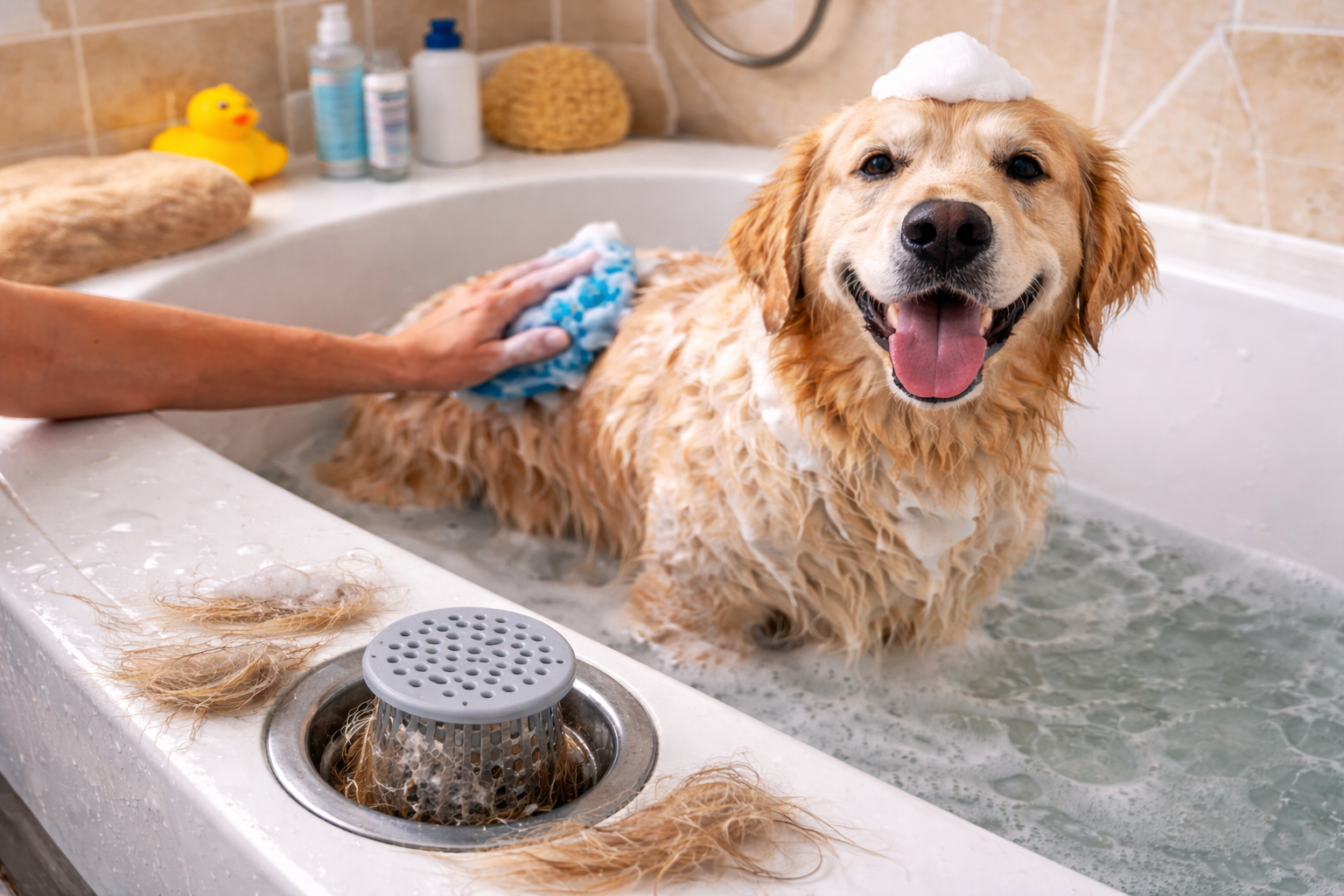
Pet bath season can be rough on your plumbing, especially when heavy shedding, muddy paws, and frequent rinses all hit at once. A single bath may not seem like a big deal, but fur, shampoo residue, dirt, and softened undercoat can build up quickly inside the drain. The good news is that most pet-related clogs are preventable. With a few smart habits before, during, and after bath time, you can keep your pets clean without turning your tub, shower, or utility sink into a plumbing problem.
Why does pet fur clog drains so fast during bathtime season?
Pet fur clogs drains so quickly because wet hair behaves differently than dry hair. Once it gets soaked, it mats together, grabs onto soap residue, and sticks to the inside of the drain or trap. Add dirt, skin oils, conditioner, and shed undercoat, and you get the perfect recipe for buildup.
This is especially common during seasonal shedding, when dogs and cats release much more fur than usual. The problem gets worse when homeowners assume fur will just wash through like ordinary lint. It usually does not. Even if some hair makes it deeper into the line, it can keep collecting until drainage slows down or stops.
If you want a broader homeowner-friendly look at the common causes of clogged drains, it helps explain why hair and residue become such a persistent plumbing issue in bathrooms, tubs, and utility sinks.
What is the best way to bathe a dog without clogging the tub?
The best way to bathe a dog without clogging the tub is to treat drain protection as part of the bath, not something you deal with afterward. The goal is to catch as much fur as possible before it enters the pipe.
Step by step
- Brush your pet before the bath, especially during shedding season.
- Place a drain screen or hair catcher over the drain.
- Keep a towel or paper towels nearby for fur cleanup.
- Rinse in short passes instead of blasting water continuously.
- Pause halfway through if a lot of fur is collecting at the drain.
- Remove visible fur by hand before the final rinse.
- Clean the screen and tub immediately after the bath.
This routine works because it reduces how much hair reaches the pipe in the first place. The most effective pet-friendly plumbing habit is not a product. It is consistency. If you make pre-brushing and drain screening part of every bath, you cut down the chance of a full blockage dramatically.
Should I use the bathtub, shower, laundry sink, or an outdoor setup?
The best bathing location depends on your pet, your plumbing layout, and how much fur you are dealing with. There is no one perfect answer for every home, but some options are easier on plumbing than others.
Bathtub
Best for medium to large dogs and full-body baths. It gives you room, but it also tends to collect the most fur around the drain.
Shower
Good for controlled rinsing and easier cleanup, especially if you have a handheld sprayer. It still needs a strong drain screen.
Laundry or utility sink
Often best for small pets, muddy paws, or quick cleanups. The tighter basin makes cleanup easier, but the drain still needs protection.
Outdoor setup
Great when weather allows, especially for heavy shedders. It reduces indoor drain risk, though it may not work for full shampoo sessions or cold months.
If you are not sure which setup protects your plumbing best long term, it helps to look at practical tips to keep your drains from clogging. The right bath location is the one you can clean thoroughly every single time.
What tools actually stop fur before it enters the drain?
The best pet-bath plumbing tools are simple, inexpensive, and easy to use every time. What matters most is not buying the fanciest product. It is choosing tools that match your routine and actually catch hair before it slips into the line.
The most useful tools
- A fine mesh drain screen
- A silicone hair catcher
- A grooming brush or de-shedding tool
- Towels for wiping loose fur from the tub or shower floor
- A small trash bag or bin nearby for wet fur cleanup
- A handheld sprayer for more controlled rinsing
Best practice tip
Use both a pre-bath brushing tool and an in-drain catcher. Do not rely on only one layer of protection.
Many pet owners underestimate how much fur comes off after the shampoo starts working. That loosened coat has to go somewhere, and if it goes into the drain, it tends to stick. Good tools do not eliminate cleanup, but they make cleanup much smaller and much easier.
How often should I clear the drain during peak shedding months?
During peak shedding months, clearing the drain once at the end of the bath may not be enough. If your dog is blowing coat, shedding heavily, or getting regular baths because of mud, allergies, or outdoor activity, you may need to check the drain during the bath and again right after.
A practical schedule
- Check the screen before the bath starts
- Clear visible buildup halfway through if fur is collecting fast
- Remove and clean the screen immediately after the bath
- Do a quick visual check 24 hours later if the drain was slow at all
This matters because pet-related drain clogs build in layers. One bath might not create the blockage, but several weeks of fur, soap, and rinse-off debris can. A short mid-bath cleanup is often the difference between a smooth drain and a slow one.
If your home is already dealing with stubborn buildup, recurring drain clogs are usually a sign that the problem is deeper than the latest bath.
What happens when a fur clog stays soft versus turns into a hard blockage?
Not every fur clog becomes a plumbing emergency right away. Some stay soft and partially pass through the line. Others harden into a dense blockage that starts trapping more debris every time water goes down the drain.
Soft buildup
This usually means the drain is slower, but still usable. Water drains eventually, and the issue may seem minor. The danger is that homeowners often keep using the fixture without removing the underlying buildup.
Hard blockage
This is when fur combines with soap scum, mineral residue, and grime until the drain becomes consistently slow or fully blocked. At this stage, you may notice standing water, bad smells, or backup into the tub or shower floor.
The softer outcome is catching the buildup early and cleaning the trap or screen before the pipe narrows too much. The harder outcome is waiting until the clog affects every bath, every rinse, and sometimes nearby fixtures too. Fur clogs rarely get better on their own.
What are the biggest plumbing mistakes pet owners make during bath time?
Most pet owners are not careless. They are simply focused on calming the dog, getting through the bath, and cleaning the room afterward. The plumbing part becomes an afterthought, which is why the same mistakes show up again and again.
The most common mistakes
- Skipping pre-bath brushing
- Bathing a heavy shedder without a drain catcher
- Letting loose fur sit in the water during the rinse
- Using too much shampoo, which adds residue to the clog
- Pushing wet fur toward the drain instead of removing it
- Assuming hot water will flush everything through
- Waiting until the tub is draining slowly before changing habits
One reason these habits matter is that they turn a manageable maintenance issue into a repeating drain problem. If you want a broader version of the same lesson, this article on the top plumbing mistakes homeowners make fits naturally because pet baths often expose the same kinds of preventable habits.
Why does the drain keep clogging even after I pull out the fur?
If you remove visible fur but the drain still keeps clogging, the blockage is probably deeper than the surface screen or stopper area. Pet fur often starts the problem near the top, but over time it can work farther down, where it combines with soap residue and older buildup already lining the pipe.
Signs the problem is deeper in the line
- The tub drains slowly even after the screen is cleared
- You keep removing hair, but the slowdown returns
- The drain smells bad between baths
- Water backs up faster during later baths
- More than one bathroom drain seems sluggish
This is the point where the issue moves from basic cleanup to actual drain troubleshooting. A recurring pet-fur clog is still a plumbing clog. It just started with bath time. Once it becomes a pattern, it usually means the line needs more than hand removal at the drain opening.
When should you stop trying DIY drain care and call a plumber?
DIY drain care makes sense when the problem is small, visible, and clearly tied to recent fur buildup. It makes less sense when the same drain keeps slowing down, smells worse over time, or starts acting like the clog is deeper than the tub itself.
Call a plumber when:
- The clog keeps returning after cleanup
- Water stands in the tub or shower for longer than usual
- The drain gurgles or smells foul
- You suspect the line is clogged farther down
- Multiple drains begin slowing at once
- A pet bath turns a slow drain into a full backup
At that stage, it may be time for professional drain line repair, especially if the line is damaged, leaking, or repeatedly trapping buildup. If the problem is heavy internal residue rather than a broken line, hydro jetting for severe drain blockages may be the more effective solution. The key is knowing when the issue has moved beyond the drain screen and into the pipe itself.
How do you make pet bath time easier on kids, pets, and sensitive noses?
A clogged or partially clogged drain does more than slow water. It can also make bath time smell worse, feel more chaotic, and create a less sanitary space for pets and people alike. That matters especially in family homes, where one bathroom may be doing a lot of work.
Pet-friendly and family-friendly tips
- Keep the drain flowing so dirty bathwater leaves quickly
- Remove wet fur immediately instead of letting it sit
- Rinse soap residue fully so it does not linger in the tub
- Dry the bathing area well after use
- Wash pet towels often
- Pay attention to persistent drain odors between baths
If a bathroom starts smelling musty, sour, or sewage-like after pet bathing, do not assume it is only a grooming issue. Slow drainage and trapped organic material can affect the whole room. Clean plumbing supports a cleaner pet routine, and cleaner pet routines make bath time less stressful for everyone involved.
Can smart home tools help protect a pet-friendly bath setup?
Yes, especially when pet bath time happens in a busy household where a slow leak or overfilled tub could go unnoticed for a while. A good example is a laundry room dog wash station, a utility sink, or a bathroom that sees repeated pet rinses during muddy or shedding seasons.
Smart monitoring will not stop fur from clogging a drain, but it can help homeowners catch water where it should not be. That matters if bath time also involves splashing, valve issues, washing machine hoses nearby, or water pooling around the area.
If you want an extra layer of protection around a high-use pet washing area, take a look at smart leak detectors. They make a strong CTA for homeowners who want more than cleanup advice and would rather add some real-time awareness around one of the wettest spots in the home.
What should your pet-friendly plumbing routine look like all year?
A good pet-friendly plumbing routine is not complicated. It just needs to be repeatable. The most effective homes treat pet bath time as part grooming routine, part drain maintenance routine.
A simple all-year plan
- Brush before every bath
- Use a drain screen every time
- Wipe out fur before it washes downward
- Watch for slow draining after each bath
- Clean the tub or sink thoroughly
- Pay attention during heavy shedding months
- Schedule help if the same clog returns
For homes with multiple pets, long-haired breeds, or year-round bathing needs, prevention matters even more. A routine like this costs very little, but it can save a lot of frustration over time. If you want the broader homeowner version of that mindset, annual plumbing maintenance checks are a smart complement to all the small habits that keep pet-related plumbing problems from piling up.
When is a pet bath mess becoming a real plumbing problem?
Pet bath messes are normal. Real plumbing problems usually show a pattern. The difference is not whether one bath left a little fur behind. The difference is whether your drain is telling you it is no longer keeping up.
Watch for these warning signs
- The same tub or shower keeps draining slowly
- You notice odor even when the room is clean
- Bathwater pools around your feet every time
- You need more than a quick cleanup after every bath
- The clog seems to come back faster than before
If you are seeing those signs, it is time to stop thinking of the issue as just part of pet ownership. It may now be a household plumbing issue that needs a closer look. For homeowners who want a direct next step, your residential plumbing services page is the right destination because it covers the bigger fix once routine prevention is not enough.
FAQs about preventing fur clogs during bathtime season
Can pet fur really clog a drain that fast?
Yes. Wet fur binds together quickly, especially when mixed with shampoo and soap residue.
Is a drain screen enough by itself?
It helps a lot, but it works best when paired with pre-bath brushing and post-bath cleanup.
Should I use chemical drain cleaner after pet baths?
It is better not to rely on that as a routine fix. If the drain keeps slowing down, the problem may be deeper than the surface.
Is a laundry sink better than a bathtub for dog baths?
For small pets, often yes. It is easier to control and clean, but the drain still needs protection.
How often should I brush my dog if shedding is heavy?
Usually before every bath, and more often during peak seasonal shedding.
What if the tub still drains slowly after I remove the fur?
That usually means buildup is deeper in the pipe and may need more than surface cleanup.
Can pet shampoo make clogs worse?
Yes. Shampoo residue can help fur stick to the inside of the drain and trap more debris.
When should I call a plumber for a pet-related clog?
Call when the drain keeps slowing down, smells bad, or backs up repeatedly despite your cleanup routine.
Keep bathtime easy on your pets and your plumbing
Pet-friendly plumbing is really about one idea: catch the fur before the drain has to. A little prevention during bath time can save you from recurring slow drains, bad smells, and the frustration of dealing with the same clog again and again.
Here are the biggest takeaways:
- Brush before the bath and use a drain screen every time
- Clear fur during and after the rinse, not just at the end
- Treat repeat slow drains as a plumbing issue, not just a grooming mess
If bathtime season is already starting to stress your drains, now is a good time to tighten up the routine before a small fur clog turns into a bigger repair.


