


Rooftop Unit Maintenance Checklist for Knoxville Businesses
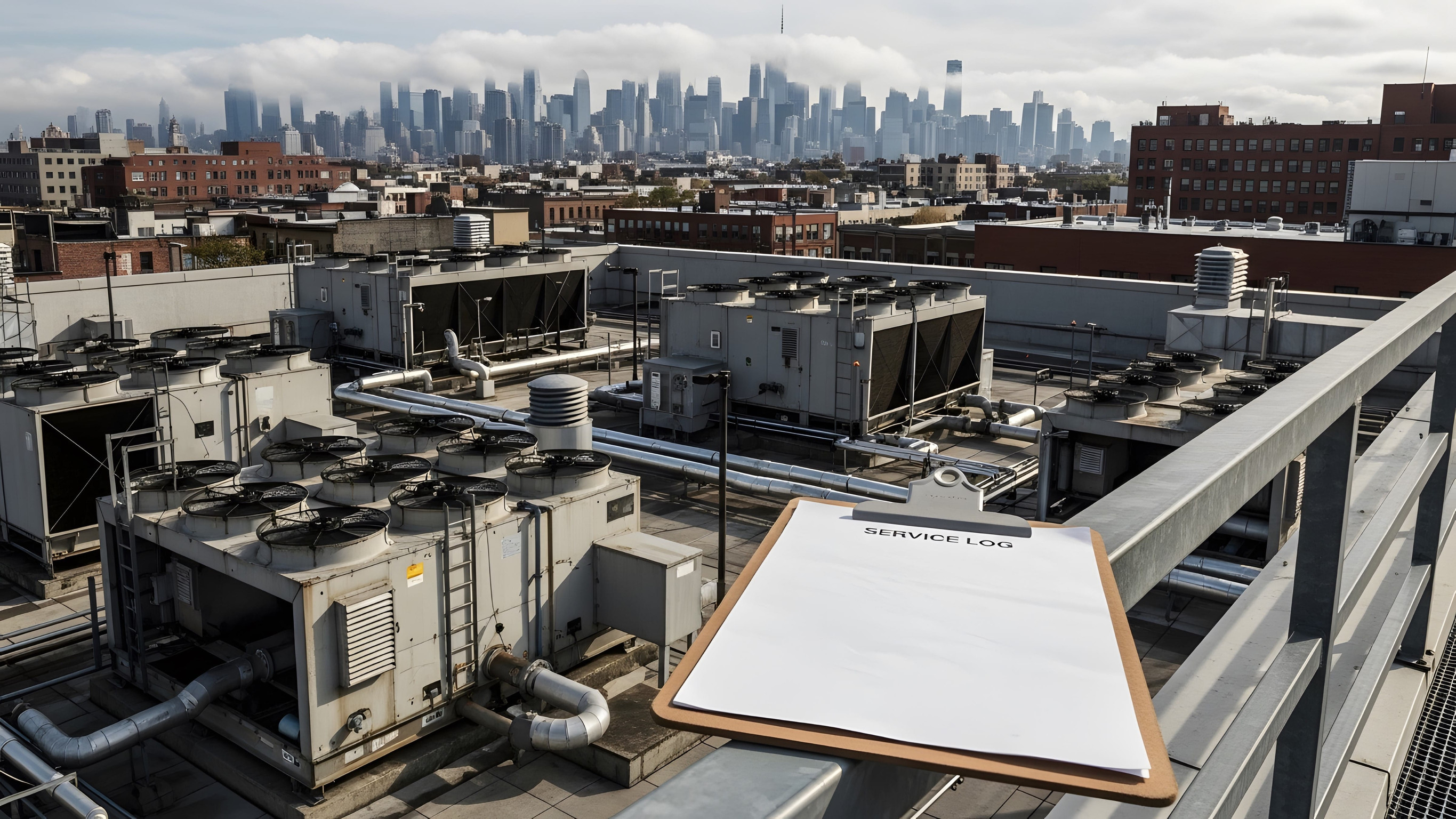
Rooftop units (RTUs) are the workhorses of commercial climate control across Knox County, supplying heating, cooling, and ventilation to retail centers, office parks, industrial warehouses, and restaurants. Because these packaged systems sit directly on flat roofs, they are completely out of sight for most property managers. However, being out of sight should never mean out of mind.
Operating on a rooftop in East Tennessee exposes HVAC equipment to harsh environmental conditions. RTUs absorb direct UV radiation, summer heat radiating off membrane roofs, winter freezes, torrential rains, and thick blankets of spring pollen. Partnering with professional HVAC and plumbing experts in East Tennessee ensures that your commercial property maintains safe, continuous climate control while keeping monthly operational costs low.
Without a structured preventive care routine, rooftop units suffer from rapid efficiency loss, unexpected mid-season breakdowns, high utility bills, and shortened equipment lifespans. A comprehensive rooftop unit maintenance checklist helps facility managers shift from expensive emergency repairs to planned, budget-friendly upkeep.
The Monthly RTU Maintenance Checklist
While comprehensive mechanical servicing requires certified technicians, facility maintenance staff can perform key basic checks on a monthly basis. Monthly attention prevents minor issues, such as clogged filters or debris accumulation, from escalating into system-wide shutdowns.
1. Air Filter Inspection and Replacement
Air filters are the first line of defense for your rooftop unit. In commercial environments with high foot traffic or continuous operation, filters load with dust and particulates far faster than in residential settings.
- Inspect filter banks monthly for dirt buildup, sagging, or moisture damage.
- Replace standard pleated filters every 30 to 60 days, or as dictated by pressure drop readings.
- Ensure filter frames fit tightly within tracks without gaps where unfiltered air can bypass the media.
- Verify that high-efficiency filters match the static pressure capabilities of the supply blower motor.
2. Visual Cabinet and Clearances Inspection
Physical exposure means rooftop cabinets accumulate leaves, trash, and storm debris that restrict airflow.
- Remove leaves, twigs, trash, and windblown debris from around the base of the unit.
- Maintain a minimum three-foot clear perimeter around all sides of the cabinet for proper airflow.
- Inspect outer cabinet panels to ensure all latches are tight and access doors are fully sealed.
- Check for signs of rust, corrosion, or physical damage on cabinet panels and structural supports.
3. Condensate Drain Pan and Line Verification
East Tennessee summers bring high atmospheric humidity, causing RTUs to extract vast amounts of water from indoor air every hour.
- Inspect the primary drain pan for standing water, sludge, or biological growth.
- Verify that condensate drain lines are clear and flowing freely away from the roof membrane.
- Check internal P-traps to ensure proper priming, preventing sewer or roof air from being drawn into the unit.
Reviewing guidelines on how often commercial HVAC systems should be serviced in Knoxville helps facility managers establish an ideal inspection schedule tailored to their specific building usage.
The Quarterly RTU Maintenance Checklist
Quarterly inspections focus on electro-mechanical components, drive assemblies, and airflow mechanics. Performing these checks every three months aligns with seasonal shifts and heavy usage periods.
+-----------------------------------------------------------------------------------+
|                        RTU MAINTENANCE FREQUENCY OVERVIEW                         |
+-------------------+---------------------------------------------------------------+
| FREQUENCY         | PRIMARY FOCUS AREAS                                           |
+-------------------+---------------------------------------------------------------+
| Monthly           | Air filters, cabinet debris clearance, condensate flow        |
+-------------------+---------------------------------------------------------------+
| Quarterly         | Belts and pulleys, motor amp draws, economizer dampers         |
+-------------------+---------------------------------------------------------------+
| Bi-Annual/Seasonal| Coil chemical washing, refrigerant levels, gas heat safety    |
+-------------------+---------------------------------------------------------------+
| Annual            | Total system overhaul, structural roof curb, BSM/DDC tuning   |
+-------------------+---------------------------------------------------------------+
1. Fan Belts, Pulleys, and Motor Bearings
Many commercial RTUs use belt-driven blower assemblies. Worn or loose belts cause fan slippage, which reduces airflow and increases energy consumption.
- Check drive belts for cracks, fraying, glaze, or signs of dry rot.
- Test belt tension using a deflection gauge to ensure proper tightness without overloading motor bearings.
- Inspect drive pulleys and sheaves for wear grooves or misalignment.
- Lubricate blower motor bearings and fan shaft bearings using manufacturer-specified grease.
2. Electrical Component and Voltage Testing
Loose electrical connections and pitted contactors cause voltage fluctuations that can destroy expensive compressors.
- Inspect electrical contactors for pitting, arcing, or carbon buildup.
- Tighten all high-voltage and low-voltage wire connections at terminal blocks.
- Measure line voltage and operating amperage on compressors and outdoor fan motors.
- Compare measured amp draws against the unit rating plate to detect motor windings stress early.
- Test dual-run capacitors and start capacitors for microfarad tolerance levels.
3. Economizer and Outdoor Air Damper Checks
Economizers pull in cool outdoor air during mild weather to cool the building without running the compressor, offering significant energy savings.
- Inspect fresh air intake dampers, linkages, and actuator motors for smooth movement.
- Clean outdoor air intake screens to clear leaves, insects, and fine dust.
- Calibrate temperature and enthalpy sensors to guarantee accurate free-cooling operation.
- Verify that exhaust relief dampers open properly to prevent building over-pressurization.
Understanding the importance of preventive maintenance for commercial properties demonstrates how routine quarterly testing protects mechanical equipment and lowers daily operational expenses.
The Bi-Annual & Seasonal RTU Maintenance Checklist
Bi-annual servicing occurs in early spring before the cooling season and in late autumn before the heating season. These detailed visits focus on deep coil cleaning, chemical refrigerant balancing, and fuel-burning safety checks.
Spring Cooling Preparation Checklist
SPRING COOLING PREPARATION
* Chemical pressure-washing of outdoor condenser coils
* Evaporator coil sanitation and microbial treatment
* Refrigerant subcooling and superheat measurements
* Crankcase heater functional testing
Condenser and Evaporator Coil Cleaning
Outside condenser coils collect dirt, pollen, and airborne pollution. A dirty coil cannot reject thermal energy efficiently, forcing the compressor to work harder under dangerously high head pressures.
- Spray condenser coils with specialized non-acidic foam cleaners to lift deep grime.
- Wash coils thoroughly with low-pressure water, taking care not to bend delicate aluminum fins.
- Use a fin comb to straighten any bent or flattened coil fins.
- Inspect indoor evaporator coils for dirt accumulation or microbial growth and apply sanitizing treatments.
Refrigerant System Diagnostics
Refrigerant leaks reduce cooling capacity and can cause the indoor coil to freeze into a solid block of ice.
- Attach digital manifold gauges to measure operating pressures, superheat, and subcooling.
- Check thermal expansion valves (TXV) or electronic expansion valves for proper metering.
- Inspect refrigerant lines for oil spots, which indicate active micro-leaks.
- Test crankcase heaters to ensure refrigerant does not mix with oil during low ambient start-ups.
Deeply understanding how humidity affects your HVAC system highlights why clean evaporator coils and precise refrigerant levels are essential for stripping moisture out of commercial spaces during muggy Tennessee summers.
Fall Heating Preparation Checklist
FALL HEATING PREPARATION
* Gas train, burner, and ignition assembly cleaning
* Heat exchanger inspection for hairline cracks
* Flue gas draft motor and pressure switch verification
* Electric heat strip contactor and limit switch checks
Gas Heating Assembly Inspection
For gas-fired rooftop units, fuel combustion must be precise to prevent energy waste and dangerous gas leaks.
- Inspect gas burners for rust, scale, or clogged burner orifices.
- Clean flame sensors and spark igniters to ensure rapid, reliable ignition.
- Test gas pressure regulators and manifold pressures against manufacturer specifications.
- Inspect flue draft inducer motors, vent pipes, and pressure switches for clear operation.
Heat Exchanger Safety Testing
A cracked heat exchanger can leak toxic carbon monoxide directly into the supply air stream, posing a major health hazard to building occupants.
- Perform visual and fiber-optic camera inspections of the heat exchanger tubes for cracks, pitting, or rust holes.
- Conduct flue gas analysis to measure carbon monoxide levels and combustion efficiency.
- Verify that high-limit safety switches open correctly during high-temperature conditions.
Electric Heating Element Checks
For all-electric or heat pump RTUs, electric resistance heat strips provide primary or supplemental heating during hard freezes.
- Inspect electric heating coils for sagging, corrosion, or physical breaks.
- Test high-amperage heating contactors and thermal cutoff limit switches.
- Verify proper staging controls so electric heat strips engage only when necessary.
The Annual Comprehensive RTU Overhaul
Once a year, commercial rooftop units should undergo a complete mechanical audit. This comprehensive overhaul evaluates overall system performance, structural integration with the roof, and automated control systems.
1. Structural Roof Curb and Penetration Seal Inspection
Because RTUs rest directly over roof openings, curb seals must remain watertight to protect the building interior from water damage.
- Inspect the flashing, counter-flashing, and sealant around the roof curb for cracks or gaps.
- Check the rubber gasket seal between the bottom of the RTU cabinet and the top of the roof curb.
- Verify that roof drainage channels are open so standing water does not pool around the unit base.
- Inspect duct connections inside the curb for air leaks, condensation, or insulation damage.
2. Ductwork Static Pressure and Air Balancing
Over time, dampers shift, duct insulation degrades, and internal airflow resistance changes.
- Measure total external static pressure across the supply and return duct trunks.
- Compare static pressure readings against system fan curves to verify proper CFM delivery.
- Inspect main duct connections for air leaks using thermal cameras or smoke testing.
- Verify that supply diffusers and return air grilles throughout the building are open and unobstructed.
3. Building Automation and Thermostat Integration
Modern commercial facilities rely on centralized controls or Building Management Systems (BMS) to schedule setpoints and manage occupant comfort.
- Calibrate digital wall sensors, duct temperature sensors, and humidity sensors.
- Review occupied and unoccupied scheduling programs to ensure energy is not wasted after business hours.
- Verify communication signals between the local RTU control board and the central BMS interface.
- Test night setback modes and morning warm-up/cool-down sequences.
Tracking maintenance benchmarks over the long term provides clear visibility into the expected lifespan of a commercial AC unit in Tennessee, helping property owners plan capital replacement budgets well in advance.
Critical Warning Signs: When to Call a Technician Immediately
Even with a strong preventive maintenance plan, rooftop units can develop sudden mechanical problems between scheduled visits. Facility managers should watch for these early warning signs:
WARNING SIGNS REQUIRING IMMEDIATE ATTENTION
- Rising KUB electric or gas utility bills without operational changes
- Water stains appearing on ceiling tiles directly below rooftop units
- Strange scraping, squealing, or grinding metallic noises from above
- Persistent complaints about hot, cold, or excessively humid indoor air
- Squealing belts or burning electrical odors coming from supply vents
- Sudden Increases in Energy Costs: A sudden spike in monthly electric or gas bills usually indicates that a compressor is laboring under high pressure, a belt is slipping, or electric auxiliary heat strips are running continuously.
- Water Stains on Ceiling Tiles: Stains directly beneath an RTU indicate a clogged condensate pan, a cracked drain line, or failing roof curb flashing. Immediate service stops active structural water damage.
- Short-Cycling Operation: If a rooftop unit turns on and off every few minutes, it may be overheating, low on refrigerant, or operating with a faulty pressure control switch.
- Unusual Noises or Odors: Grinding or squealing sounds signal failing bearings or loose belts. Burning smells indicate electrical wiring issues or overheating motors.
Ignoring these early warning signs can quickly lead to common business HVAC problems that halt business operations and require expensive emergency component replacements.
When severe issues occur, scheduling reliable commercial HVAC services guarantees that certified commercial technicians diagnose root causes and restore proper facility comfort quickly.
Long-Term Benefits of a Dedicated RTU Maintenance Strategy
Implementing a structured rooftop unit maintenance checklist delivers clear financial returns for commercial building owners across East Tennessee:
- Lower Monthly Utility Bills: Clean coils, properly tensioned belts, and calibrated economizers allow RTUs to operate at peak manufacturer efficiency, lowering monthly power consumption by 15% to 30%.
- Extended Equipment Lifespan: Regular lubrication, electrical tightening, and coil cleaning prevent premature compressor burnouts, extending system lifespan from 10 years up to 15 or 20 years.
- Reduced Emergency Downtime: Catching worn belts, weak capacitors, or low refrigerant levels during routine visits prevents disruptive system failures during peak summer heat waves.
- Protected Indoor Air Quality: Fresh air filters, sanitized drain pans, and clean evaporator coils keep commercial indoor air clean, healthy, and free from stale odors or mold spores.
- Preserved Capital Budgets: Planned maintenance turns erratic emergency repair bills into predictable operational expenses, allowing business owners to allocate capital efficiently.
A disciplined approach to rooftop unit maintenance protects your mechanical equipment, ensures tenant comfort, and secures your property investment for years to come.


