


Signs of Commercial Sewer Line Problems in Knoxville TN
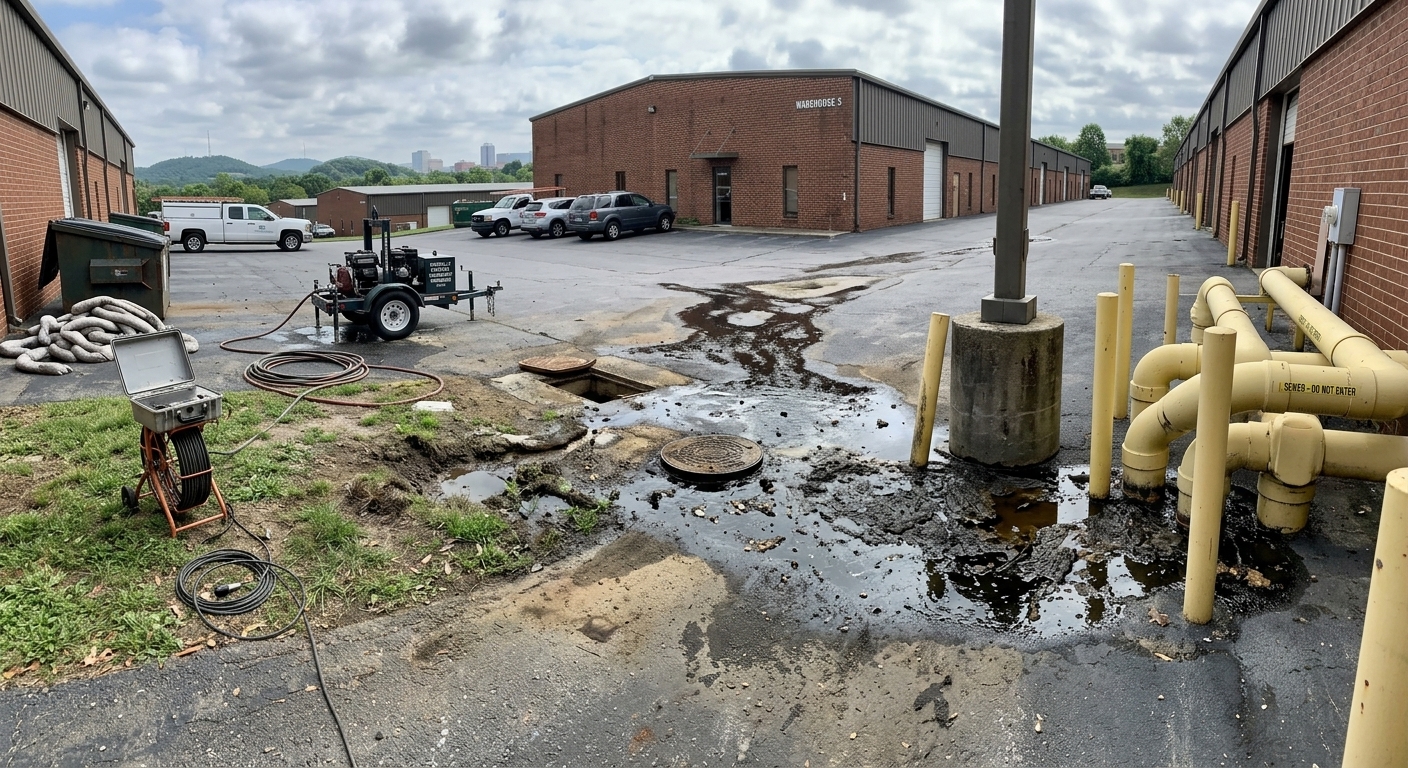
Commercial real estate in Knoxville, Tennessee relies heavily on robust, hidden infrastructure to maintain daily business operations. From high-volume dining establishments in downtown Market Square to medical facilities in Bearden, corporate parks in West Knoxville, and retail developments along Turkey Creek, commercial properties generate vast amounts of wastewater every hour. Unlike residential plumbing systems that experience sporadic usage patterns throughout the day, commercial sewer lines operate under severe, continuous demand.
When a commercial sewer line begins to fail, the operational, financial, and reputational consequences can be immediate and severe. A broken or blocked main sewer line does not merely create a minor inconvenience for staff. It can trigger health department mandated closures, cause extensive property damage, destroy inventory, ruin customer trust, and result in thousands of dollars in lost revenue per day.
Recognizing the early warning signs of commercial sewer line degradation allows facility managers, property owners, and maintenance directors to address structural pipe defects before a catastrophic backup occurs. Understanding localized factors in Knox County, such as expansive clay soils and aggressive tree root growth, is crucial for maintaining functional commercial drainage systems.
1. Multiple Concurrent Fixture Backups and Drainage Failures
One of the most definitive indicators of a main sewer line failure is simultaneous drainage trouble across multiple plumbing fixtures throughout a building.
In a commercial facility, an isolated clog in a single bathroom sink or kitchen handwashing station usually points to a localized fixture problem, such as a clogged P-trap or minor branch line restriction. However, when wastewater begins backing up into floor drains in commercial kitchens, toilets gurgle when mop sinks drain, or lower-level restroom fixtures overflow simultaneously, the problem resides deep inside the main sewer lateral pipe.
Commercial sewer main lines receive wastewater from every sub-branch line within the facility. When a structural collapse, massive grease accumulation, or severe root intrusion blocks this main artery, wastewater has nowhere to go. Gravity forces the trapped effluent backward up the system, where it escapes through the lowest open drainage points in the building, which are typically floor drains, lower-level toilets, and utility sinks.
Ignoring widespread drainage slowdowns often leads to full-scale sewage backups. Reviewing the top 10 signs your sewer line needs immediate repair helps building managers distinguish between minor localized drain clogs and critical main line obstructions that require immediate hydro-jetting or line replacement.
2. Foul Sewer Gas Odors and Pressure Imbalances Inside the Building
A healthy, intact commercial plumbing system is completely airtight. Foul sewer gases containing hydrogen sulfide, methane, and ammonia are designed to travel safely through the piping network and exhaust harmlessly through roof vent stacks above the building.
If employees, tenants, or customers begin noticing persistent rotten egg smells or foul odors inside restrooms, mechanical spaces, hallways, or dining rooms, the sewer boundary has been breached. This breach can occur due to cracked underground drain lines, ruptured stack pipes inside walls, or dried-out P-traps caused by atmospheric pressure imbalances.
Commercial sewer line blockages frequently restrict proper airflow through the building vent system. When wastewater rushes down a partially blocked line without adequate ventilation, it creates a powerful negative pressure vacuum that sucks water straight out of floor drain P-traps. Without water in the trap seal, sewer gas flows freely directly into occupied customer or work spaces.
Understanding how siphonage impacts trap seals highlights how pressure imbalances quickly compromise air quality in commercial facilities. Persistent sewer odors represent a significant health and safety hazard that requires immediate diagnostic evaluation.
3. Exterior Property Symptoms: Lush Grass Patches, Soft Soil, and Asphalt Damage
Commercial sewer line problems are not always confined to indoor plumbing fixtures. Because main sewer laterals run beneath landscaped areas, sidewalks, and parking lots to reach the Knoxville Utilities Board (KUB) or municipal sewer main, pipe damage frequently manifests across exterior grounds.
Unnatural Vegetation Growth
Raw commercial sewage is rich in organic waste, nitrogen, and phosphorus. When an underground sewer pipe cracks, collapses, or separates at a joint, raw effluent continuously leaks into the surrounding soil. This nutrient-rich wastewater acts as an intense liquid fertilizer.
If you notice patches of grass along your property landscape that appear noticeably darker green, thicker, or faster-growing than the surrounding lawn, an underground sewer leak is almost certainly fertilizing the soil from below.
Soil Displacement and Parking Lot Sinkholes
Knoxville soil is composed primarily of heavy, dense red clay. While red clay holds structural weight well when dry, it erodes rapidly when exposed to a continuous flow of leaking wastewater under pressure.
As raw sewage escapes from a cracked pipe, it washes away sub-base dirt and creates subterranean caverns. Over time, the ground above sags, creating soft, spongy patches in landscaped beds. If the sewer pipe runs beneath concrete walkways or asphalt parking spaces, the lost subsoil support causes the pavement to crack, settle, or cave in entirely, forming dangerous sinkholes that endanger customer vehicles and pedestrians.
4. Unexplained Water Bill Spikes and Unexpected Pest Infestations
Commercial sewer line defects can impact business overhead and pest management programs in subtle, indirect ways long before a major backup occurs.
Sudden Utility Bill Increases
While a sudden spike in water consumption is often linked to leaking water supply lines or continuously running commercial toilets, sewer line defects in specialized commercial setups can also drive up utility costs.
Certain commercial facilities utilize automated flush systems, continuous recirculation loops, or sub-metered waste lines. If a main drain blockage causes water to continuously re-circulate or forces automated equipment to cycle repeatedly to clear lines, water consumption figures will skyrocket unexpectedly.
Commercial Pest Invasions
Cockroaches, drain flies, and rats thrive in dark, moist environments rich in organic matter, making sewer networks their natural habitat. Under normal conditions, an intact, sealed pipe system prevents these pests from migrating into commercial buildings.
When an underground sewer line cracks, breaks, or separates, it creates an open highway for pests. Insects and rodents can easily enter the compromised pipe and travel upward through branch lines, emerging through floor drains, wall cavities, and utility rooms.
If your commercial pest control provider reports recurring infestations of sewer-dwelling species despite aggressive chemical treatments, an underground sewer pipe breach is the likely entry point. Reviewing the top causes of clogged drains helps facility managers prevent organic waste buildup that attracts pests.
5. Local Knoxville Factors Accelerating Commercial Sewer Degradation
Commercial properties in East Tennessee face distinct environmental and infrastructure conditions that place immense physical stress on underground sewer lines. Recognizing these regional factors helps property owners anticipate when professional intervention is required.
Expansive Red Clay Soil Movement
Knoxville red clay expands significantly during wet spring seasons and contracts tightly during dry summer months. This constant movement puts tremendous shifting pressure on rigid underground sewer pipes. Older cast iron, terra cotta, or concrete pipes frequently crack, shear, or develop sagged pipe bellies under this relentless soil strain.
Aggressive Tree Root Intrusion
East Tennessee boasts lush, mature foliage, including deep-rooting oak, maple, and pine trees. Tree roots naturally seek out underground sources of moisture and nutrients. Even microscopic cracks or loose joints in a commercial sewer pipe release water vapor that attracts root systems.
Once roots penetrate a sewer pipe, they expand rapidly inside the line, trapping toilet paper, grease, and debris until the entire pipe diameter is blocked solid.
Aging Urban Infrastructure
Many commercial buildings located in historic downtown Knoxville, the Old City, or older commercial corridors feature aging sewer laterals that have been in continuous service for over 50 years. Aging cast iron pipes suffer from severe interior tuberculation and bottom rust-through, while old clay pipes crumble under modern commercial traffic loads.
Scheduling regular professional evaluations is vital for identifying pipe deterioration early. Learning about the importance of sewer line inspections and understanding why you need a professional plumbing inspection allows commercial property managers to assess pipe conditions with high-definition video equipment before catastrophic pipe failure occurs.
6. Modern Diagnostic Tools and Commercial Repair Solutions
When warning signs point to a commercial sewer line defect, modern plumbing technology allows technicians to pinpoint and repair the issue with minimal disruption to business operations.
High-Definition Video Sewer Cameras
Commercial plumbers launch self-leveling HD video cameras directly into the main sewer cleanout. The camera travels through the pipe network, transmitting real-time video footage to an above-ground monitor. This technology reveals the exact location, depth, and nature of the damage, whether it is a severe grease clog, thick root mass, bellied pipe, or crushed lateral line.
High-Pressure Commercial Hydro-Jetting
For main lines choked with heavy commercial grease, mineral scale, or root masses, hydro-jetting utilizes streams of water pressurized up to 4,000 PSI to scour the inner pipe walls clean. Unlike traditional mechanical snakes that merely punch a temporary hole through a blockage, hydro-jetting restores the full interior diameter of the pipe.
Trenchless Pipe Lining (CIPP)
Traditional sewer replacement requires tearing up parking lots, sidewalks, and interior concrete slabs with heavy excavation machinery, forcing extended business downtime. Modern trenchless Cured-in-Place Pipe (CIPP) lining offers an advanced alternative.
Technicians insert an epoxy-saturated fiberglass liner into the damaged pipe through an existing cleanout. The liner is expanded and cured, forming a seamless, jointless, epoxy-strong pipe inside the original host pipe that lasts for decades, all without digging up your commercial property.
Frequently Asked Questions
What are the first warning signs of a failing commercial sewer line in Knoxville?
Early warning signs include multiple slow drains across different restrooms, gurgling sounds coming from toilets when sinks or floor drains are used, persistent sewer odors inside the building, and green or soft patches in exterior landscaping.
How does Knoxville red clay soil damage underground commercial sewer lines?
Knoxville red clay expands significantly when wet and shrinks when dry. This constant seasonal soil expansion and contraction exerts immense physical pressure on buried pipes, causing rigid cast iron, clay, or PVC pipes to shift, crack, sag, or collapse over time.
Can commercial kitchen grease cause complete main sewer line failure?
Yes. Fats, oils, and grease (FOG) washed down commercial kitchen drains solidify as they cool inside underground sewer pipes. Over time, grease coats the interior pipe walls, catching food debris and paper products until the entire main pipe diameter is blocked completely.
How often should a commercial building in Knoxville inspect its main sewer lines?
Commercial facilities should have their main sewer lines inspected with a video camera at least once a year. High-risk properties such as restaurants, hotels, hospitals, and food processing plants benefit from bi-annual inspections or quarterly maintenance.
What is the difference between a simple drain clog and a main sewer line blockage?
A simple drain clog affects only one specific fixture, such as a single clogged toilet or sink. A main sewer line blockage affects multiple fixtures simultaneously throughout the building, forcing wastewater backward up through the lowest open floor drains or toilets.
Will commercial property insurance cover the cost of main sewer line repairs?
Coverage depends on your specific commercial insurance policy and the root cause of the failure. Standard policies often cover sudden accidental pipe bursts or interior water damage, but may exclude damage resulting from age-related wear, corrosion, or lack of maintenance unless specific sewer backup riders are attached.
How do tree roots enter commercial sewer pipes?
Tree roots seek underground moisture and nutrients. They grow toward tiny pinhole leaks, hairline cracks, or loose joints in sewer pipes. Once inside, roots expand rapidly, creating thick root masses that catch waste and completely block wastewater flow.
What are the health hazards associated with a commercial sewer backup?
Raw commercial sewage contains dangerous pathogens, including bacteria, viruses, parasites, and fungi. A sewage backup releases these harmful contaminants along with toxic gases like hydrogen sulfide, creating serious health risks for employees, customers, and food handling areas.
Is trenchless sewer repair practical for commercial properties in Knoxville?
Yes. Trenchless Cured-in-Place Pipe (CIPP) lining is ideal for commercial properties because it eliminates the need to excavate parking lots, sidewalks, or interior floors. It seals structural defects and restores pipe integrity quickly, minimizing business downtime.
How quickly can a professional plumber diagnose a commercial sewer problem?
Using high-definition video camera inspection equipment, a qualified commercial plumber can locate, diagnose, and evaluate underground sewer pipe damage within one to two hours upon arriving on site.


