


Smart Leak Detectors: Can they actually shut off your main water valve remotely?
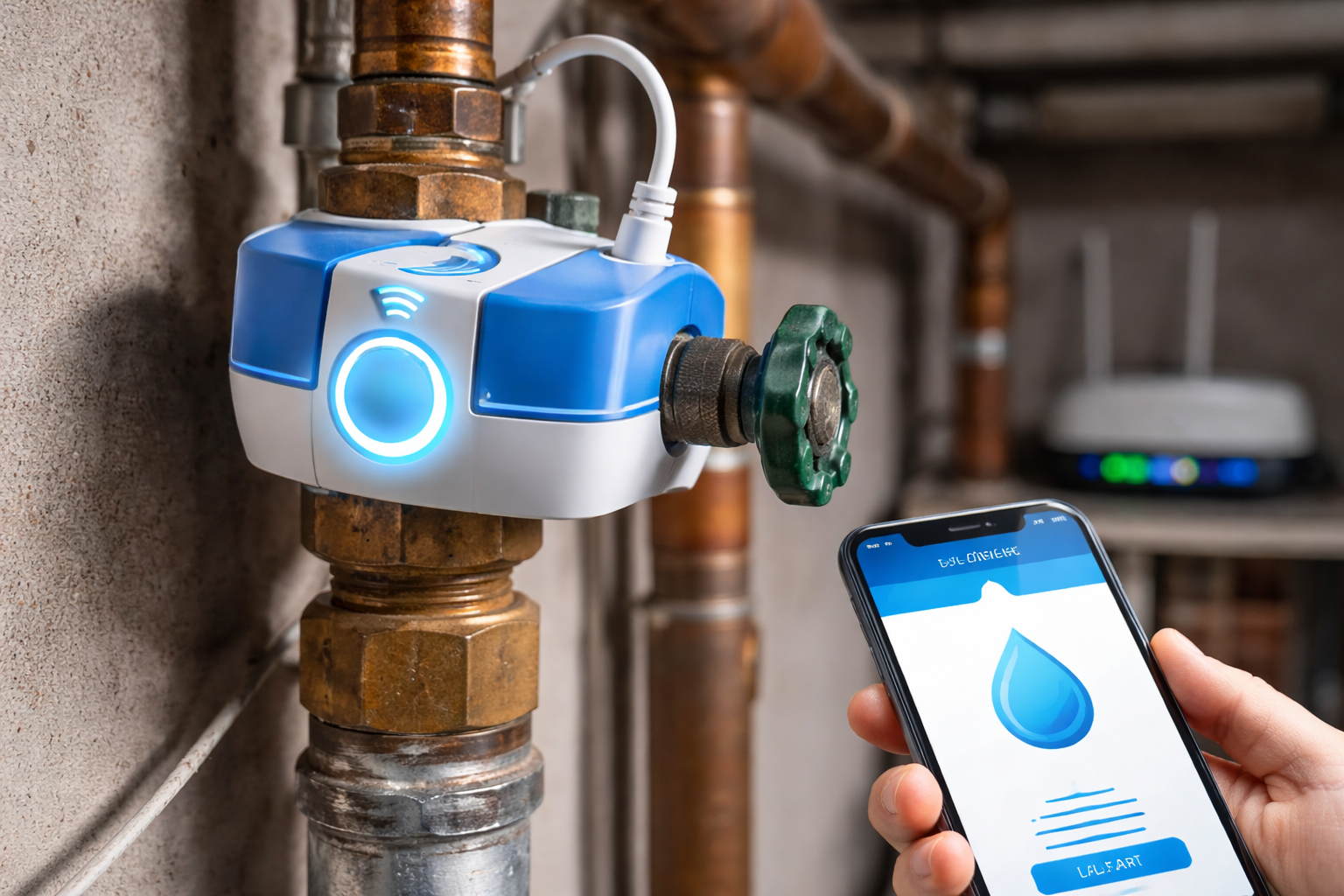
Smart leak detectors have quickly moved from nice-to-have gadgets to serious home protection tools. For many homeowners, the biggest question is not whether these devices can detect water. It is whether they can actually do something useful fast enough to stop damage. The short answer is yes, some smart leak detector systems can shut off your main water valve remotely or automatically. The important part is understanding which systems do that, how they work, and what limits still matter before you rely on one to protect your home.
What is a smart leak detector, exactly?
A smart leak detector is a monitoring device designed to alert you when water shows up where it should not. Some systems use small sensors placed near high-risk areas like water heaters, washing machines, sinks, dishwashers, and toilets. Others monitor water flow at the main line and look for unusual usage patterns that suggest a hidden leak.
That distinction matters because not every smart leak detector does the same job.
The two main categories homeowners see most often
Sensor-only detectors
These devices detect moisture and send an alert. They may beep, flash, or notify you through an app, but they do not physically stop the water on their own.
Shutoff-capable systems
These systems connect to an automatic valve at the main water line. If a leak is detected or abnormal flow continues, the system can close the main water supply and limit further damage.
That is why homeowners need to look past the phrase "smart leak detector" and ask a more useful question: is this just an alert device, or is it also an active shutoff system?
Can a smart leak detector really shut off your main water valve remotely?
Yes, some smart leak detectors can absolutely shut off your main water valve remotely, but only if the system includes an automatic shutoff valve and the proper controls. This is where a lot of confusion comes from. People often assume every leak detector can do this, when in reality many entry-level devices only send a notification.
A shutoff-capable system usually works one of two ways:
Remote user-triggered shutoff
You receive an alert on your phone, open the app, and shut off the main valve from wherever you are.
Automatic shutoff
The system detects a leak or abnormal water flow and closes the valve on its own, even before you open the app.
For many homeowners, the best answer is not one or the other. It is both. Automatic action protects the house if you are asleep, traveling, or simply miss the alert. Remote control gives you the ability to respond yourself if the system asks for confirmation or if you want to stop the water manually while you investigate. If you want a direct upgrade path, you can explore Advanced Heat AC & Plumbing's smart leak detector solutions and see which setups are built for active protection rather than basic notification alone.
How does remote main water shutoff actually work?
A remote shutoff setup is usually built around three parts: detection, communication, and control. Each part has to work well for the full system to deliver real protection.
Detection
A sensor notices water at a problem point, or a whole-home monitor notices continuous or abnormal flow through the main line.
Communication
The system sends data through Wi-Fi, cellular connection, or a compatible smart home platform so the homeowner can receive alerts and interact with the device.
Control
A motorized shutoff valve installed on the main water line closes when triggered, either automatically or through the app.
That means the leak detector itself is only part of the picture. The real protection comes from pairing detection with a valve that can physically stop the incoming water supply. This is why professionally installed systems are often worth considering. The shutoff device has to be compatible with the pipe setup, accessible, and installed in the right place if you want it to respond reliably when it matters most.
What types of leaks can a smart shutoff system actually help stop?
A smart shutoff system is most useful against supply-side leaks, which are the kinds of leaks fed by your pressurized water line. These are the leaks that can keep running until someone intervenes or the water is turned off.
Good examples of leaks a smart shutoff system can help limit
- A burst washing machine hose
- A leaking water heater supply connection
- A broken sink supply line
- A toilet supply line failure
- A pipe burst during freezing weather
- A hidden pressurized leak behind a wall
Problems it does not always solve by itself
- Drain line backups
- Sewer line issues
- Shower pan leaks
- Roof leaks
- Groundwater intrusion
- Condensation problems
This matters because homeowners sometimes expect one product to protect against every water issue in the house. Smart shutoff systems are powerful, but they are not magic. They are strongest when the problem involves incoming water under pressure. For broader prevention, it also helps to understand how to avoid costly water damage from leaks before a problem escalates.
Is remote shutoff actually useful when you are away from home?
Yes, and this is one of the strongest reasons homeowners invest in these systems in the first place. Water damage gets expensive fast when no one is home to see it. A small leak that starts at 10:00 a.m. can become a major flooring, drywall, cabinet, and insulation problem by the time someone gets home that evening. If the leak starts during a weekend trip or a longer vacation, the damage can multiply very quickly.
Remote shutoff changes that timeline.
Why this matters for real homes
- You can receive an alert immediately
- You may be able to shut the water off from your phone
- Some systems shut the water off automatically even if you never open the app
- Damage can be limited before it spreads through multiple rooms
Vacation scenarios are where these systems feel less like a convenience and more like a safeguard. They are especially useful for homeowners with older plumbing, second homes, rental properties, or areas of the house that do not get checked often. Even if the system only reduces the damage rather than eliminating it completely, that can still mean the difference between a repair and a full restoration job.
What is the difference between an alert-only leak detector and a shutoff system?
This is one of the most important shopping questions because homeowners often compare products that are not really in the same category. An alert-only detector tells you there is a problem. A shutoff system is designed to help contain it.
Alert-only detector
- Detects moisture at a specific location
- Sends an app notification, alarm, or audible alert
- Depends on the homeowner to take action
- Usually lower cost and easier to install
Shutoff-capable system
- Detects leaks or unusual flow patterns
- Can send alerts and also act on them
- Works with a motorized main water valve
- Can stop the incoming water supply automatically or through remote control
Alert-only sensors are still valuable. They can warn you early, especially in problem-prone areas like under sinks, near a water heater, or behind laundry equipment. But if your main question is whether the device can actually stop the water from continuing to run, you need to focus on systems with valve shutoff capability, not just detection.
When is a smart leak detector most worth it?
Smart leak detectors make sense for many homes, but they tend to be especially valuable in a few clear situations. The more expensive or disruptive a water leak would be, the stronger the case for adding detection and shutoff protection.
Homes that often benefit most
- Older homes with aging supply lines or fittings
- Homes left empty during work travel or vacations
- Homes with finished basements
- Properties with water heaters in interior closets
- Houses with laundry rooms on upper floors
- Homes with previous leak or water damage history
- Families who want faster warning than a visual inspection can provide
There is also a peace-of-mind factor that matters to real homeowners. If you have ever worried about a hidden leak while away from home, the value is not just technical. It is practical. A smart system can give you faster visibility and faster control, which is often exactly what people want when they are trying to protect flooring, cabinetry, drywall, and everything else water can ruin.
Can smart leak detectors replace plumbing inspections?
No, and homeowners should not treat them as a replacement for maintenance or inspection. A smart leak detector is a safety layer, not a full plumbing strategy. It is there to spot a problem quickly, not to correct old pipe corrosion, sewer issues, poor installation, or drain line problems.
A leak detector is most effective when it is part of a bigger prevention plan.
What it does well
- Detects leaks sooner than many homeowners would notice
- Helps limit damage from active supply-side leaks
- Adds visibility when you are away from home
- Supports faster response
What it cannot do alone
- Repair worn valves or fittings
- Replace aging plumbing
- Prevent every drain or sewer issue
- Guarantee against all water damage
That is why homeowners still need seasonal awareness, common-sense monitoring, and periodic professional evaluation. If you suspect something is already wrong, a leak detector should not be the only next step. It is often smarter to start with what happens during a professional leak detection so you know whether you are dealing with an active issue right now.
Where should smart leak detectors be installed in a house?
Placement matters almost as much as the device itself. If sensors are installed in low-risk areas while the real leak risks go unprotected, homeowners may feel covered without actually reducing much danger.
High-value sensor locations
- Under kitchen sinks
- Under bathroom sinks
- Behind toilets if there is space and access
- Near water heaters
- Near washing machines
- Near dishwashers
- Near refrigerator water lines
- In utility rooms and basements with exposed plumbing
Where the shutoff valve belongs
The automatic shutoff valve is typically installed at the main incoming water line, where it can stop pressurized water to the house.
The right placement strategy depends on the home. A slab house, basement home, crawl space home, or multi-level home may all need slightly different planning. For homeowners who are already noticing suspicious signs, it can also help to review the early signs of hidden plumbing leaks so the highest-risk areas get attention first.
What are the biggest mistakes homeowners make with smart leak detectors?
The biggest mistake is assuming every leak detector is a whole-home shutoff system. It is not. Many devices are simply spot sensors that alert you after they touch water. That can still help, but it is very different from stopping the main water line automatically.
Other common mistakes include:
Buying based on price alone
The cheapest device may not include the features homeowners actually care about, especially remote shutoff.
Ignoring app setup and notifications
A smart system is only helpful if alerts reach the right person and the settings are actually configured.
Installing sensors in too few places
One sensor under the kitchen sink does not protect the whole house.
Forgetting power and connectivity
A dead battery, weak Wi-Fi area, or app issue can reduce reliability.
Skipping professional guidance
If the main shutoff valve or plumbing layout is unusual, a poor setup can limit how well the system performs.
The best way to avoid disappointment is to define the goal first. If the goal is fast warning, a simpler detector may be enough. If the goal is damage control when no one is home, remote and automatic shutoff features become far more important.
What should you do after a leak detector sends an alert?
A smart leak detector is most helpful when the homeowner already knows what to do next. A lot of damage happens not because the alert failed, but because the response was confused or delayed.
A simple response plan
- Open the alert and confirm which sensor or zone triggered
- If you have remote shutoff capability, stop the water if the situation looks active or uncertain
- If someone is home, visually check the area safely
- Avoid continued use of the affected fixture or appliance
- Document what you find with photos
- Call a plumber if the cause is not obvious or fully resolved
This matters even more for larger leaks or active supply-line failures. When the water is spreading quickly, fast action matters more than perfect diagnosis. If the situation feels urgent, this guide on what to do in a plumbing emergency is a natural next step because it gives homeowners a calm, practical response path.
Are smart leak detectors enough if you already suspect a water line problem?
No. If you already have signs of an active plumbing issue, a leak detector is helpful as future protection, but it should not delay diagnosis and repair. A smart device can warn you about the next event. It does not fix the current one.
If you are seeing pressure drops, wet spots in the yard, unexplained moisture, or signs of a hidden supply leak, that points toward a repair issue first.
Common clues that need more than monitoring
- Sudden loss of pressure
- Rising water bills
- Water sounds with fixtures off
- Persistent damp areas
- Known damage around a supply pipe or connection
In those cases, homeowners should think of smart leak detection as part of the long-term solution, not the first and only move. If there is reason to suspect a service line or supply-side issue, water line repair is the more urgent conversation because active leaks can continue causing damage until the source is corrected.
Do smart leak detectors make sense as part of regular plumbing maintenance?
Yes, especially when homeowners see them as one layer in a broader maintenance plan. Smart leak detectors are strongest when paired with annual inspections, seasonal prep, and fast repair of small warning signs before they become major failures.
A smart maintenance mindset includes
- Watching for small leaks and pressure changes
- Replacing visibly aging hoses and valves
- Checking high-risk plumbing areas regularly
- Using leak detection to cover the times you are not looking
- Treating alerts as the beginning of action, not the end of it
This is why the best smart-home plumbing strategy is not just about gadgets. It is about reducing surprise. A home that has sensors, sensible upkeep, and periodic evaluation is much less likely to suffer the kind of long-running hidden leak that turns into structural damage, mold, or a major insurance headache. For homeowners building that kind of prevention plan, annual plumbing maintenance checks are a natural complement to smart leak protection.
FAQs about smart leak detectors and remote water shutoff
Can every smart leak detector shut off the main water valve?
No. Some detectors only send alerts. You need a system with a compatible automatic shutoff valve to stop the water.
Can I turn off my water from my phone if I am away?
With the right system, yes. Remote shutoff depends on the device, app setup, and valve configuration.
Do smart leak detectors work without Wi-Fi?
Some basic sensors can still sound a local alarm, but remote alerts and app-based shutoff usually depend on a connected system.
Will a leak detector stop sewer backups?
No. These systems are best at responding to supply-side water leaks, not drain or sewer backups.
Are they worth it for a newer home?
They can be. Even newer homes can have hose failures, fitting issues, appliance leaks, or sudden supply-line problems.
Where is the best place to start?
Many homeowners begin with high-risk areas like the water heater, laundry room, or under sinks, then expand from there.
Do they replace a plumber?
No. They help detect and limit damage, but they do not repair the plumbing issue causing the problem.
Protect your home faster with smart leak detection that does more than alert
So, can smart leak detectors actually shut off your main water valve remotely? Yes, the right system absolutely can. The bigger takeaway is that not every device on the market does that, and homeowners need to know the difference between simple alerts and real shutoff protection.
Here are the three most important takeaways:
- Some smart leak detectors only warn you, while others can automatically or remotely shut off your main water supply
- These systems are most valuable for supply-side leaks, vacation protection, and homes where water damage could spread quickly
- The best results come from pairing smart detection with good plumbing maintenance and fast professional response when something looks wrong
If you want a practical next step, take a closer look at Advanced Heat AC & Plumbing's leak detector options and installation support. A smart system that can alert you and shut the water off quickly can be one of the simplest ways to reduce the risk of major water damage in your home.


