


The Microbiology of a Kitchen Sink: Why "Clean" doesn't always mean "Sanitary"
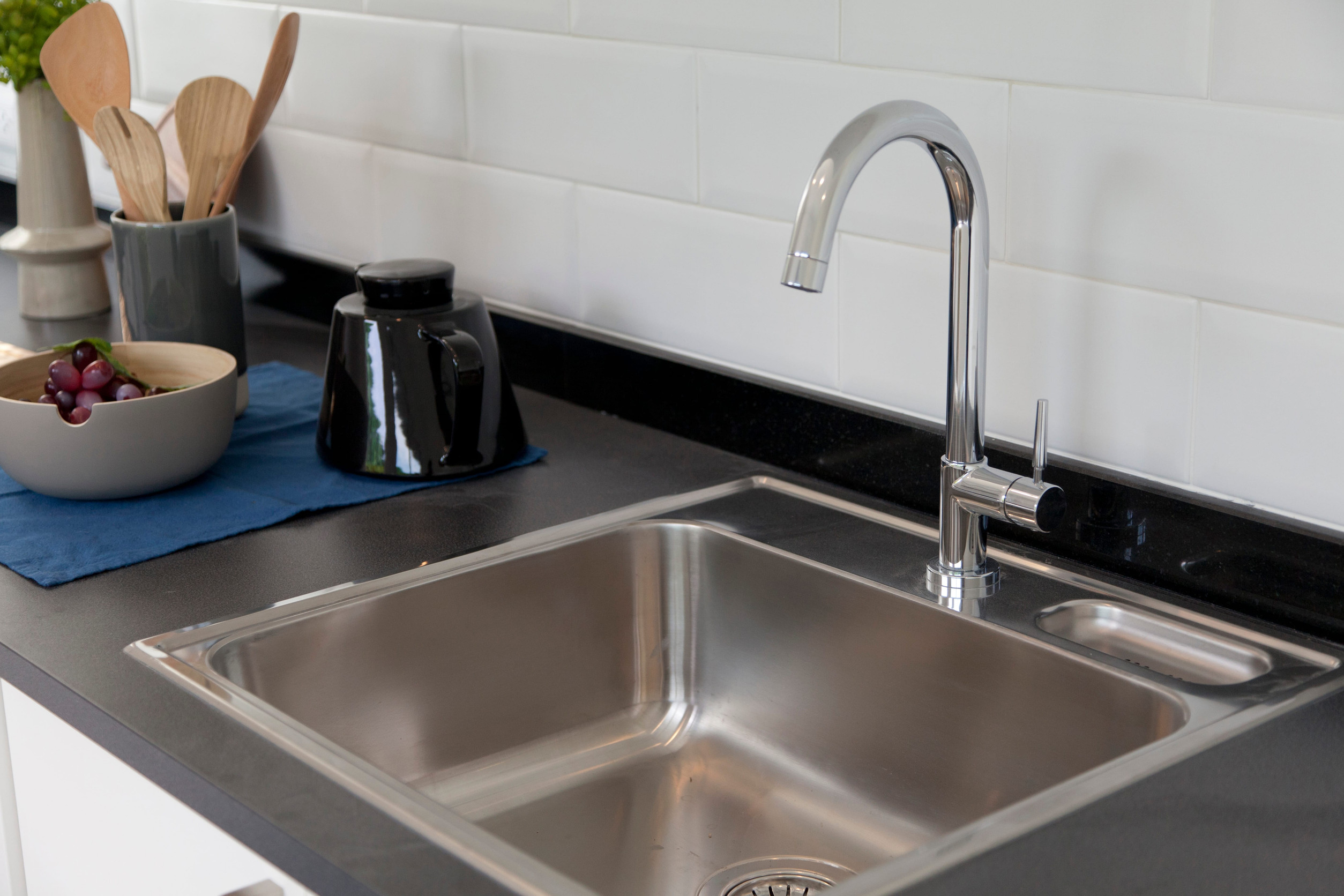
A kitchen sink can look spotless and still be one of the most active microbial zones in the home. That is because “clean” and “sanitary” are not the same thing. Clean usually means the sink looks free of food, stains, grease, and visible grime. Sanitary means the number of germs on the surface has been reduced to a safer level. That difference matters in a kitchen, where raw meat juices, food scraps, sponges, dishwater, grease, and drain residue can all meet in the same place.
Why can a clean-looking kitchen sink still hold germs?
A kitchen sink can look clean because the visible food, stains, and grease have been rinsed away. But microbes do not need a visible mess to survive. Tiny amounts of moisture, food residue, and organic material can remain around the drain, under the strainer, near the faucet base, along seams, and inside the garbage disposal splash guard.
That is why the sink is different from a countertop. A counter may dry quickly. A sink stays damp, catches food particles, and connects directly to a drain system where residue can build up. Even after a quick wipe, small microbial communities can remain in hidden areas.
The important takeaway is simple: visual cleanliness is not a complete food-safety standard. A shiny sink may be clean enough to look good, but not sanitary enough after handling raw meat, rinsing dirty produce, washing pet bowls, or clearing food scraps. The sink needs both routine cleaning and targeted sanitizing when risk is higher.
What is the difference between cleaning and sanitizing?
Cleaning removes visible dirt, food residue, grease, and debris. Sanitizing reduces the number of microorganisms left on a surface after cleaning. In a kitchen sink, both steps matter because each one solves a different problem.
Cleaning does this
- Removes stuck food particles
- Breaks down grease and soap film
- Clears visible grime from the basin
- Helps expose the surface underneath
Sanitizing does this
- Reduces remaining germs after cleaning
- Helps lower cross-contamination risk
- Makes the sink safer after raw food prep
- Adds a second step when the sink has handled high-risk messes
A common mistake is trying to sanitize a dirty surface. Sanitizer works better after visible residue has been removed. If grease, food bits, or biofilm are still sitting in the sink, sanitizing may not reach the surface effectively. For homeowners, the sequence matters: clean first, rinse if needed, then sanitize according to the product directions.
Why is the kitchen sink such a strong microbial environment?
The kitchen sink has nearly everything microbes need: moisture, warmth, food residue, and protected surfaces. It is used for rinsing produce, washing dishes, draining pasta water, handling raw food messes, cleaning cookware, filling pet bowls, and disposing of scraps. That variety creates a rich environment where bacteria and biofilm can survive if the sink is not cleaned deeply enough.
Some of the highest-risk areas include:
- The drain opening
- The sink strainer
- The garbage disposal splash guard
- The faucet handle and base
- The seam where the sink meets the counter
- The underside of removable parts
- Sponges, brushes, and dishcloths nearby
The garbage disposal is especially easy to forget because most of the residue is hidden. Food particles can stay inside the chamber or cling to the rubber splash guard even when the sink basin looks clean. If odors are coming from the disposal area, your guide on keeping your garbage disposal clean is a natural next step.
What kinds of germs can live around a kitchen sink?
A kitchen sink can host many different microorganisms, including bacteria, yeast, and mold. The exact mix depends on what goes into the sink, how often it is cleaned, how well it dries, and whether food residue is left behind. The important point is not that every sink is dangerous all the time. The point is that the sink is a high-contact, high-moisture area where germs can survive and spread.
Common sources of contamination include:
- Raw poultry, meat, seafood, and eggs
- Soil from produce
- Dirty dishes and utensils
- Sponges and dishcloths
- Pet bowls
- Food scraps in the drain
- Grease and organic residue
The microbiology matters because germs do not stay politely in one place. They can move from the sink to hands, sponges, cutting boards, faucet handles, dish towels, or food-contact surfaces. That is why the sink should be treated as part of the food-prep zone, not just as the place where messes disappear.
Why are sponges and dishcloths part of the sink problem?
Sponges and dishcloths are often the dirtiest part of the sink area because they stay damp and collect food residue. They are used to wipe dishes, counters, sink walls, utensils, and sometimes spills from raw food. If they are not cleaned, dried, or replaced often, they can spread germs instead of removing them.
Why sponges are tricky
- They hold moisture
- They trap food particles
- They touch many kitchen surfaces
- They often do not dry fully between uses
- They can spread residue back onto a “cleaned” sink
A sink can be scrubbed with a sponge and still become less sanitary if the sponge itself is contaminated. That is why sink hygiene is really a system. You cannot separate the basin from the tools used around it.
Best practice: keep sponges and dishcloths clean, let them dry between uses, replace them regularly, and avoid using the same sponge for raw meat cleanup and general dishwashing.
How does biofilm form inside a kitchen sink drain?
Biofilm is a slimy microbial layer that forms when microorganisms attach to a surface and build a protective coating. In a kitchen sink, biofilm often forms around the drain, inside the strainer, under the stopper, and within the garbage disposal or drain line where food residue and moisture remain.
Biofilm can hold onto:
- Food particles
- Grease
- Soap residue
- Bacteria
- Odor-causing organic material
Once biofilm forms, rinsing alone usually does not remove it. Water may make the sink look cleaner, but the film can stay attached to hidden surfaces. That is one reason kitchen drains may smell bad even when the basin looks spotless.
If the odor seems to come from the drain instead of the sink surface, it may help to review the best ways to prevent plumbing odors, because drain smell often comes from residue, traps, or buildup below the visible surface.
Why does the garbage disposal make sanitation harder?
A garbage disposal is convenient, but it adds complexity to sink hygiene. It chops food scraps into smaller pieces, but those particles still pass through the drain system. Some residue can stick inside the disposal chamber, under the splash guard, or along the upper drain walls.
That matters because food residue in a warm, damp disposal can create odor and microbial buildup. The rubber splash guard is a common trouble spot because homeowners often clean the visible top but not the underside, where grime can collect.
Disposal habits that increase microbial buildup
- Sending grease down the drain
- Grinding fibrous foods
- Running too little water
- Letting food scraps sit before rinsing
- Ignoring the splash guard
- Using the disposal like a trash can
A disposal can be part of a clean kitchen, but only if it is maintained. Otherwise, it becomes a hidden reservoir of residue right at the center of the sink.
What kitchen habits make a sink less sanitary?
Most kitchen sink contamination comes from normal habits, not extreme neglect. The problem is that many everyday routines move germs from one surface to another without anyone noticing.
Common habits that create sanitation problems include:
- Rinsing raw meat in the sink
- Washing produce after raw meat cleanup without sanitizing first
- Letting dishes sit in standing water
- Using the same sponge for everything
- Pouring grease into the drain
- Leaving food scraps in the strainer
- Forgetting the faucet handle after touching raw food
- Cleaning the basin but ignoring the drain parts
The sink is a transfer zone. The goal is not to be afraid of it. The goal is to manage what moves through it. After high-risk tasks, especially raw meat, seafood, eggs, or dirty produce, the sink should be treated like a food-contact area that needs a true cleaning and sanitizing reset.
How can a sink smell bad even when it looks clean?
A bad sink smell usually means something is still decomposing, trapped, or growing somewhere you cannot easily see. The basin may look clean while odor is coming from the drain, disposal, strainer, trap, or buildup deeper in the line.
Common causes include:
- Food residue under the strainer
- Grease film inside the drain
- Biofilm in the disposal
- A dirty splash guard
- A partially clogged drain
- Organic buildup inside the trap
- Poorly rinsed cleaning tools
If the smell keeps returning, the issue is no longer just surface cleaning. It may be a drain-performance issue. The more often food residue gets stuck in the same area, the more likely odor and microbial growth become.
A helpful related resource is why drains keep clogging again and again, because recurring clogs and recurring sink odors often share the same underlying cause: buildup that never gets fully removed.
What is the safest way to clean and sanitize a kitchen sink?
A good sink routine should be simple enough to repeat. The goal is to remove residue first, then sanitize when the sink has handled food safety risks.
Step-by-step sink reset
- Remove dishes, utensils, and food scraps.
- Empty the strainer into the trash.
- Wash the basin with hot, soapy water.
- Scrub around the drain, faucet base, and seams.
- Remove and clean removable strainers or stoppers.
- Clean under the garbage disposal splash guard if you have one.
- Rinse away loosened residue.
- Apply a kitchen-safe sanitizer according to label directions.
- Let the surface air dry when possible.
- Replace or clean the sponge, brush, or cloth used during cleanup.
This routine matters most after raw meat prep, heavy dishwashing, large family meals, or any cleanup involving pet bowls or spoiled food. The sink is not sanitary simply because it was rinsed. It becomes safer when cleaning and sanitizing are done in the right order.
Should you sanitize the sink every day?
Not every sink needs full sanitizing after every single use. The right frequency depends on what happened in the sink that day. A light rinse after washing a coffee mug is not the same as raw chicken prep or a pile of greasy pans after a family dinner.
Sanitize the sink after
- Raw meat, poultry, seafood, or eggs touch the sink
- Cutting boards or utensils with raw food residue are washed
- Pet bowls are cleaned
- Someone in the home is sick
- Food waste sits in the sink for a while
- The sink smells sour or musty
- A heavy meal cleanup leaves grease and residue behind
Clean more lightly after
- Simple handwashing
- Rinsing a glass
- Light dish use without food safety risk
The goal is not panic-cleaning. The goal is matching the cleaning level to the risk. When the sink has handled something that could spread illness, sanitizing is the smart second step.
Why does grease create a sanitation and plumbing problem?
Grease is a double problem. It can make the sink harder to sanitize, and it can create plumbing buildup deeper in the line. Warm grease may rinse away from the basin, but once it cools, it can coat the drain walls. That sticky layer can trap food particles and support odor-causing buildup.
Grease-related problems include:
- Persistent drain odors
- Slower drainage
- Sticky biofilm
- Food particles clinging to the line
- Recurring clogs
- More residue around the disposal
This is why kitchen sink sanitation is connected to plumbing health. If grease keeps building up in the drain, the sink may look clean while the pipe below it becomes a microbial and odor reservoir.
For broader prevention, your article on the top causes of clogged drains fits naturally here because grease, food scraps, and organic buildup are some of the biggest reasons kitchen drains become unhealthy and slow.
Why are chemical drain cleaners not a sanitation strategy?
Chemical drain cleaners may seem like an easy way to “clean” a smelly sink, but they are not a true sanitation plan. They may open some clogs or break down certain materials, but they do not automatically remove all biofilm, correct disposal habits, or solve recurring buildup.
The bigger problem is that homeowners may use chemicals repeatedly while ignoring the real cause:
- Grease going down the drain
- Food scraps collecting under the splash guard
- A partially clogged line
- A dirty strainer or stopper
- A failing disposal
- A deeper drain problem
Repeated chemical use can also be hard on plumbing, depending on the product, pipe condition, and frequency of use. A better approach is to physically clean what you can reach, improve habits, and call for help when the drain keeps smelling or slowing down.
If this has become a routine in your home, read why DIY drain cleaners can damage your pipes before pouring in another bottle.
When is professional drain cleaning needed for a kitchen sink?
Professional drain cleaning becomes more important when surface cleaning no longer solves the issue. If the sink smells bad, drains slowly, clogs repeatedly, or backs up after heavy use, the problem may be deeper than the basin.
Signs you may need professional help
- Slow draining that keeps returning
- Odor that comes back after cleaning
- Gurgling from the drain
- Water backing up into the sink
- Disposal issues tied to clogs
- Grease-heavy buildup from years of use
- More than one drain acting sluggish
At that point, the issue is less about whether the sink looks clean and more about whether the drain line is functioning properly. A professional can evaluate whether the problem is buildup, a disposal issue, a trap problem, or a deeper drain-line concern.
Your guide on the benefits of professional drain cleaning is a strong next step for homeowners who have already tried cleaning but still cannot get the sink to drain or smell right.
Can hydro jetting help with kitchen sink biofilm and grease buildup?
Hydro jetting can help when the issue is deeper buildup inside the line, especially grease, sludge, and organic residue that keeps causing clogs or odors. It is not the first step for every smelly sink, but it can be very effective when ordinary cleaning and snaking do not remove the residue coating the pipe walls.
Hydro jetting uses high-pressure water to scour the inside of the drain line. That matters because many recurring kitchen sink problems are caused by buildup that clings to the pipe, not one loose object stuck in the drain.
Hydro jetting may be useful when:
- Grease buildup is heavy
- Clogs keep returning
- Odor persists after basic cleaning
- Snaking provides only short-term relief
- The line needs a deeper clean
If your kitchen sink has become a repeat problem, hydro jetting services in East TN can be a more complete solution than simply punching a temporary hole through the buildup.
How do you prevent the sink from becoming unsanitary again?
Prevention works best when you treat the sink like both a food-prep surface and a plumbing fixture. That means keeping the basin clean, keeping the drain clear, and reducing what feeds microbial growth.
Daily habits that help
- Remove food scraps before rinsing dishes
- Empty the strainer often
- Let sponges and brushes dry
- Rinse the disposal with plenty of water
- Wipe the faucet handle and sink rim
- Avoid leaving standing dishwater
Weekly habits that help
- Scrub the drain area
- Clean under removable parts
- Clean the disposal splash guard
- Replace or sanitize sponges and cloths
- Deodorize the disposal if needed
- Check for slow drainage
The goal is not perfection. It is reducing moisture, residue, and cross-contamination. For homeowners who want a broader maintenance routine, top tips to keep your drains from clogging is a useful companion because a clear drain is easier to keep sanitary.
What about households with kids, pets, or immune-sensitive family members?
Some households need to take kitchen sink sanitation more seriously because the risk of cross-contamination matters more. Young children, older adults, pregnant people, and people with weakened immune systems may be more vulnerable to foodborne illness. Homes with pets also need extra care because pet bowls can introduce different residue and bacteria into the sink area.
Higher-risk situations include
- Washing baby bottles
- Cleaning pet bowls
- Handling raw meat often
- Preparing food for vulnerable family members
- Sharing one sink for food prep and messy cleanup
- Using sponges heavily without replacing them often
In these homes, the sink should be cleaned and sanitized more consistently, especially after raw food, pet items, or illness in the household. The point is not fear. It is better control. A sanitary sink routine gives the whole household a safer base for cooking and cleanup.
How does water flow affect kitchen sink sanitation?
Good water flow matters because slow drains allow residue to sit longer. When water drains quickly, food particles, soap, and loosened debris leave the sink more efficiently. When drainage is sluggish, organic material can linger around the drain and inside the trap, giving microbes more time and material to grow.
Slow flow can be caused by:
- Grease buildup
- Food particles
- Soap residue
- Disposal buildup
- A partial clog
- Drain-line problems
- Poor maintenance habits
If the sink is always a little slow, sanitation becomes harder. You can scrub the basin, but the drain environment remains damp and residue-rich. At that stage, the issue may not be your cleaning routine. It may be the plumbing condition below the sink.
If a kitchen drain is damaged or repeatedly compromised, drain line repair may be the right conversation instead of another short-term cleanup.
When should you stop treating it like a cleaning issue and call a plumber?
Call a plumber when the sink problem stops responding to normal cleaning and starts acting like a plumbing issue. The difference is usually repetition. A sink that smells once after a messy dinner is normal. A sink that smells every week despite cleaning is telling you something else.
Call for help when
- Odors return quickly after cleaning
- The drain is slow again and again
- The disposal jams, leaks, or smells constantly
- Water backs up into the sink
- The drain gurgles
- You suspect grease buildup deeper in the line
- Multiple fixtures are draining slowly
A clean sink should not require constant odor cover-ups. If you are cleaning well and the problem keeps returning, the issue may be below the surface. At that point, professional plumbing services in Knoxville and East Tennessee are the more practical path than more guesswork.
FAQs about the microbiology of a kitchen sink
Can a kitchen sink look clean but still have germs?
Yes. A sink can look clean after visible food and grime are removed but still have microorganisms around the drain, faucet, disposal, or sponge.
What is the difference between clean and sanitary?
Clean means visible dirt and residue are removed. Sanitary means germs have been reduced to a safer level after cleaning.
Should I sanitize my sink after raw meat prep?
Yes. After raw meat, poultry, seafood, or egg residue reaches the sink, cleaning and sanitizing are both smart steps.
Why does my sink smell even after I clean it?
The odor may be coming from the drain, disposal splash guard, trap, or buildup deeper in the line rather than the visible basin.
Is the garbage disposal a germ problem?
It can be if food residue collects inside the chamber or under the splash guard. Regular cleaning helps keep it from becoming an odor and biofilm source.
Are sponges really that dirty?
They can be. Sponges hold moisture and food residue, which makes them a common place for microbial growth if they are not cleaned, dried, and replaced often.
Can hydro jetting clean a kitchen drain?
Yes, when deeper grease, sludge, or buildup is causing recurring problems, hydro jetting can clean the inside walls of the pipe more thoroughly.
When should I call a plumber for a smelly sink?
Call when odors, slow drainage, clogs, gurgling, or disposal issues keep returning after normal cleaning.
A truly clean kitchen sink needs more than a quick rinse
A kitchen sink is not sanitary just because it shines. The basin, drain, disposal, sponge, and faucet area all work together as a small microbial ecosystem. When food residue, moisture, grease, and hidden drain buildup stay behind, germs and biofilm can remain even after the surface looks clean.
Here are the biggest takeaways:
- Clean means visible residue is gone, while sanitary means germs have been reduced
- The drain, garbage disposal, sponge, and faucet area are often the hidden problem spots
- If odor, slow drainage, or biofilm keeps returning, the issue may be deeper than surface cleaning
A kitchen sink is one of the hardest-working fixtures in the home. Treating it like both a food-safety surface and a plumbing system is the best way to keep it cleaner, safer, and easier to maintain.


