


Touchless Faucets: Are they a hygiene necessity or just a luxury?
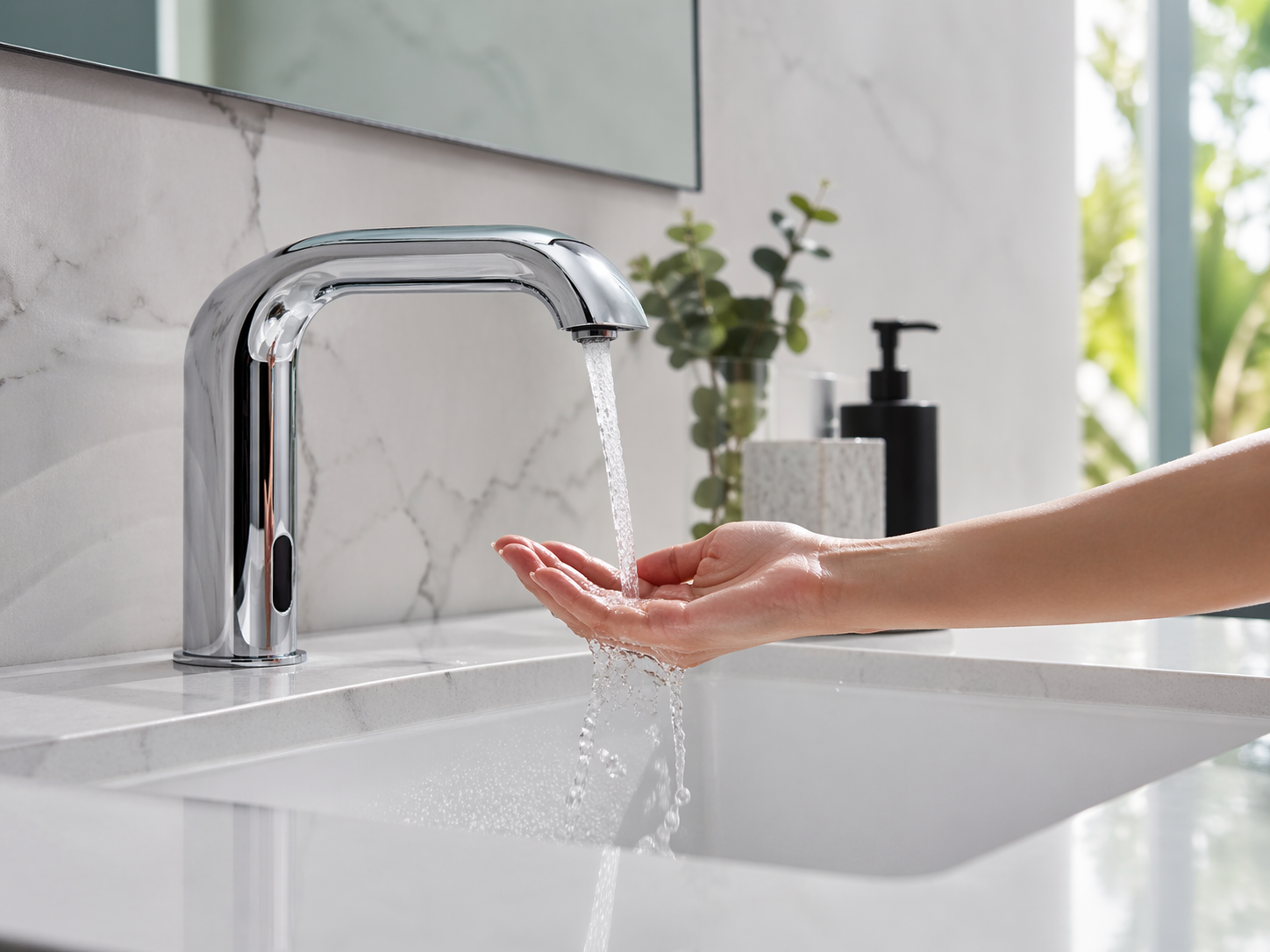
Touchless faucets used to feel like something reserved for airports, hospitals, and high-end commercial restrooms. Now they are showing up in kitchens, powder rooms, laundry rooms, and full bathroom remodels across ordinary homes. That shift has created a fair question for homeowners: are touchless faucets something you really need, or are they just a sleek extra that sounds smarter than it actually is? The honest answer is that they can be both useful and luxurious. Whether they feel essential depends on your household, your habits, and what problem you are actually trying to solve.
What is a touchless faucet, exactly?
A touchless faucet is a faucet that uses a sensor to start and stop water flow without requiring you to turn a handle manually. In most homes, that means you place your hands near the sensor area and the faucet activates automatically. Some models are simple motion-sensor faucets. Others are more advanced and include temperature presets, timed flow, app features, or smart-home integrations.
For homeowners, the most important thing is not the technology label. It is the practical result. A touchless faucet changes how you use the fixture every single day. That may sound small, but faucet habits affect hygiene, water use, ease of cleanup, and even how the whole space feels to live in.
This is one reason touchless faucets often come up during larger fixture updates. If you are already rethinking the look and function of your sink area, upgrading your bathroom and kitchen fixtures for a more modern feel is a natural next read because touchless operation is often part of a bigger fixture strategy, not just a standalone decision.
Why do people say touchless faucets are more hygienic?
The hygiene argument is straightforward. A touchless faucet removes one common touchpoint from the handwashing process. In a manual setup, you touch the faucet before washing and then often touch it again to shut it off. That may not seem like a big deal, but it does mean the handle can become one more frequently contacted surface in the room.
In a home setting, the hygiene benefit is usually less dramatic than it is in a high-traffic public restroom. Still, it is real in the right situations.
Where touchless hygiene benefits feel most noticeable
- During cold and flu season
- In busy family bathrooms
- In kitchens while handling raw meat, dough, or greasy ingredients
- In homes with children who struggle with clean hand habits
- In bathrooms used by guests frequently
The key is perspective. A touchless faucet does not replace handwashing. It supports it. The true hygiene hero is still proper washing. The touchless feature simply helps reduce one avoidable contact point and makes it easier to keep the sink area cleaner during normal use.
Are touchless faucets actually necessary in most homes?
In most homes, no, they are not a strict necessity. A standard faucet can serve a household perfectly well when it is clean, functioning properly, and used with good hygiene habits. That is the most honest answer.
But “not necessary” is not the same thing as “not worth it.” Touchless faucets are often valuable because they solve small, repeated annoyances that add up over time. A luxury becomes more practical when it improves daily life several times a day.
For many households, touchless is best described as:
- A convenience upgrade
- A hygiene-supporting feature
- A water-use improvement in some settings
- A modern design choice
- A resale-friendly fixture decision
The necessity question becomes stronger in specific homes, especially those with kids, elderly family members, limited mobility, or kitchens that stay active for long stretches. In those spaces, the faucet is not just a fixture. It is a workhorse. Making that workhorse easier and cleaner to use can feel much more important than it might on paper.
When does a touchless faucet move from luxury to practical necessity?
This is where the conversation gets more interesting. A touchless faucet may not be universally necessary, but it can become practically necessary for some households depending on how the space is used.
Situations where touchless starts making more sense
Busy family kitchens
If your kitchen sink is constantly being used for cooking, rinsing, and cleanup, the ability to activate water without touching the handle becomes more useful than many people expect.
Homes with children
Kids are not always great at turning faucets off cleanly, keeping handles dry, or washing without touching everything around them. A touchless faucet can make the process simpler.
Aging-in-place households
For homeowners with arthritis, limited grip strength, or mobility concerns, removing the need to twist or push a handle can make the fixture easier to use.
Guest-heavy or entertaining homes
A powder room or shared bathroom with frequent guests benefits more from reduced-touch fixtures than a rarely used private bath.
In these situations, touchless is less about showing off technology and more about friction reduction in everyday routines.
Do touchless faucets really help save water?
They can, but this depends heavily on how the faucet is used and how the system is configured. A touchless faucet tends to reduce waste when it prevents unnecessary run time. That is especially helpful in homes where people often leave water running while scrubbing hands, rinsing dishes, or stepping away briefly.
Why water savings can happen
- Water shuts off automatically
- People are less likely to forget the faucet is running
- Short tasks become easier to do without extended flow
- Kids and guests may use less water accidentally
That said, not every touchless faucet automatically creates huge savings. If the sensor is poorly adjusted or the faucet runs longer than needed during repetitive tasks, the efficiency gains may be smaller than the homeowner expected. The best results come from combining touchless operation with a water-efficient fixture.
That is why the best plumbing upgrades for home efficiency fits naturally into this conversation. Touchless operation is helpful, but efficiency works best when it is part of a broader plumbing-upgrade mindset.
Are touchless faucets better in kitchens or bathrooms?
They can work well in both, but the reasons are slightly different.
In kitchens
Touchless faucets shine when your hands are messy, greasy, covered in flour, or handling food prep. That is where the convenience feels immediate. Instead of smearing raw chicken residue or dough across a faucet handle, you activate the water without spreading the mess.
In bathrooms
The benefit is usually more about hygiene support, ease of use, and a cleaner-looking sink area. In powder rooms and frequently used family bathrooms, that can be very appealing.
Which room gets the strongest benefit?
For many homeowners, the kitchen sees the biggest day-to-day functional advantage. The bathroom often gets the biggest style and cleanliness upgrade.
If your project is kitchen-focused, planning your kitchen sink and faucet installation is the most natural internal next step because the faucet decision works best when it is considered with sink layout, placement, and daily use patterns.
What are the biggest advantages of touchless faucets in real life?
This is where the case for touchless becomes strongest. Homeowners often think of touchless faucets as “nice in theory,” but the real advantages are often very practical.
The biggest real-world benefits
Cleaner handles and surrounding surfaces
Less touching means less grime, residue, and moisture collecting on the handle area.
Easier handwashing flow
You do not need to touch the faucet after washing, which feels cleaner and more intuitive.
Better for messy kitchen work
Food prep is one of the most obvious places where touchless convenience pays off immediately.
Easier use for children and older adults
The motion-based operation can reduce the need for twisting, gripping, and precise control.
More modern feel
Even when homeowners initially buy for convenience, they often end up loving the sleek, updated feel of the fixture.
These are not life-changing on their own, but they are highly noticeable because they affect a task you do over and over again.
What are the downsides homeowners should think about first?
Touchless faucets are not perfect, and pretending otherwise makes for a weak buying decision. The right question is not “are they good?” It is “what tradeoffs come with them?”
Common downsides
Higher upfront cost
Touchless models usually cost more than standard faucets.
More parts and electronics
More complexity means more things that may eventually need service or replacement.
Power requirements
Some use batteries, some use AC power, and both setups require attention.
Sensor frustration
Poorly placed or overly sensitive sensors can annoy homeowners if they activate when not wanted or fail to activate when expected.
Learning curve
Guests and children sometimes need a moment to understand how the faucet responds.
These are not deal-breakers, but they do matter. A homeowner who expects flawless futuristic simplicity may be disappointed if they buy the wrong model or install it in the wrong context.
How do hard water and mineral buildup affect touchless faucets?
This is an important issue many homeowners overlook. Hard water can affect any faucet, but touchless faucets add another layer because the sensor area, aerator, and internal components all benefit from staying clean and working smoothly.
Hard water may contribute to:
- Mineral buildup around the aerator
- Sensor-area grime that affects response
- Reduced flow quality over time
- More frequent cleaning needs
- Visible spotting that makes a sleek faucet look less sleek
That does not mean touchless faucets are a bad idea in homes with hard water. It just means maintenance matters more. If your home already fights mineral residue on fixtures, how hard water impacts your plumbing system is worth reading before you choose a more advanced faucet style.
The best touchless experience happens when the water conditions and maintenance habits support the technology.
Are touchless faucets harder to maintain or repair?
They are usually a little more involved than a basic manual faucet because they include sensor components, power supply considerations, and added internal control elements. But “harder” does not necessarily mean “bad.” It just means homeowners should go in with realistic expectations.
Basic maintenance often includes
- Cleaning the sensor area
- Keeping the aerator clear
- Replacing batteries if applicable
- Watching for mineral buildup
- Checking response timing and shutoff behavior
Repair issues may involve
- Sensor malfunction
- Solenoid or control issues
- Battery failures
- Standard faucet problems like leaks or loose fittings
This is one reason quality matters. A cheap touchless faucet that fails repeatedly can make the entire category feel gimmicky. A well-installed, well-maintained model is much more likely to feel like a lasting upgrade.
If the fixture starts dripping or acting inconsistently, fixing common faucet leaks around the house is a useful supporting read because some problems are still basic faucet issues, even when the faucet is touchless.
Are touchless faucets worth it in a bathroom remodel?
Often, yes, especially if the remodel is already focused on better function, cleaner design, and long-term usability. Touchless faucets fit especially well when the homeowner is trying to make the room feel more modern and more intentional rather than simply replacing like for like.
They can be a strong fit when the remodel priorities include:
- Cleaner sink lines
- Easier handwashing flow
- Better accessibility
- Guest-bathroom appeal
- A more updated visual impression
That said, not every bathroom needs one. In a low-use secondary bath, the practical return may be smaller. In a primary bathroom or powder room that sees constant use, the value may feel much stronger.
If this decision is happening inside a larger renovation, important plumbing considerations for a bathroom renovation belongs in the planning process because the faucet should fit the whole plumbing layout, not just the look of the vanity.
Do touchless faucets add resale appeal?
They can, especially when they appear as part of a broader pattern of smart, clean, practical upgrades. On their own, they may not dramatically change the asking price. But they can strengthen the impression that the home has been updated thoughtfully.
Touchless faucets may support resale by:
- Making kitchens and bathrooms feel more current
- Signaling convenience and cleaner design
- Supporting water-conscious fixture choices
- Pairing well with other modern plumbing upgrades
This is especially true when the fixture looks intentional rather than trendy. Buyers respond well when the feature feels useful and integrated into the room rather than added just for novelty.
That is why plumbing upgrades that instantly boost home value fits so naturally here. Touchless faucets are usually best viewed as one piece of a larger resale-friendly plumbing strategy.
Are touchless faucets a good idea during a larger kitchen or bath remodel?
Yes, often more than as a random standalone upgrade. When a homeowner is already remodeling, it becomes easier to make smarter choices about sink size, faucet placement, water lines, surrounding materials, and how the fixture will actually be used.
That matters because a touchless faucet should match:
- The depth and style of the sink
- The daily use of the room
- The rest of the fixture package
- The homeowner’s cleaning and maintenance habits
- The overall tone of the remodel
This is why touchless usually performs best when chosen as part of a whole-room plan, not as an impulse add-on after everything else is already set. If the project includes a bigger redesign, plumbing for your kitchen and bathroom remodel is the right next read because the faucet should support the layout, workflow, and long-term function of the remodel.
So are touchless faucets a hygiene necessity or just a luxury?
For most homes, they are not a strict hygiene necessity. Good handwashing, regular cleaning, and sound fixture maintenance still matter more than whether the faucet handle is manual or touchless.
But calling them “just a luxury” is too dismissive. In the right home, they are a meaningful convenience, a smart cleanliness upgrade, and a practical improvement that people use and appreciate every day.
The better answer is this:
Touchless faucets are usually:
- A hygiene-supporting feature
- A convenience upgrade
- A water-use improvement in the right setup
- A modern fixture choice
- A practical luxury with real benefits
And in some homes, especially busy kitchens or mobility-conscious households, they move closer to necessity than many people expect.
Who should seriously consider installing one?
Touchless faucets make the most sense for homeowners who already know they would benefit from the way the faucet changes daily use.
Strong candidates include:
- Households with busy kitchens
- Families with children
- Homes with older adults or arthritis concerns
- Frequent entertainers
- Homeowners doing a kitchen or bathroom remodel
- People who care about a cleaner, more updated sink area
- Sellers wanting smart modern fixture appeal
They may matter less for:
- Low-use secondary spaces
- Homeowners who strongly dislike battery or sensor maintenance
- Extremely budget-focused updates where simplicity matters most
The point is fit. Touchless faucets are not automatically right for everyone, but they are much more than a gimmick for the people whose habits line up with their strengths.
FAQs about touchless faucets
Are touchless faucets more hygienic?
They can be, because they remove one common shared touchpoint, but they work best as part of good handwashing and normal cleaning habits.
Do touchless faucets save water?
They can help reduce waste by shutting off automatically and limiting accidental run time, especially when paired with efficient faucet design.
Are touchless faucets hard to maintain?
Not usually, but they do need some attention to sensors, aerators, and power supply compared with a basic manual faucet.
Are they good for kitchens?
Yes, many homeowners see the biggest benefit in the kitchen because messy hands make touchless operation especially convenient.
Are they worth it in a bathroom?
Often yes, especially in powder rooms, family bathrooms, and remodeled spaces where cleanliness and ease of use matter.
Do they break more often?
They can have more components than manual faucets, so quality and installation matter. A better model usually performs better long term.
Will hard water affect them?
It can. Mineral buildup may affect appearance and performance if the faucet is not cleaned regularly.
Do touchless faucets help resale value?
They can support a more modern, upgraded feel, especially when included as part of a broader plumbing refresh.
The better question is not necessity. It is whether the upgrade solves real daily problems
Touchless faucets do not need to be medically necessary to be worth installing. The more useful question is whether they improve the way your home functions every day. In many homes, they do. They make kitchen cleanup easier, reduce handle mess, support better sink hygiene habits, and give bathrooms and kitchens a more modern feel.
Here are the biggest takeaways:
- Touchless faucets are usually not a strict necessity, but they are also not just cosmetic
- Their strongest benefits are cleaner use, easier operation, and better convenience in busy spaces
- The best results come when the faucet is part of a larger fixture or remodel plan, not a random add-on
If you are thinking about whether a touchless faucet belongs in your home, the answer usually becomes clearer when you place it inside the bigger plumbing picture. Knoxville plumbing services for fixture upgrades and installations is the right place to start when you want the fixture to work as well in real life as it sounds in theory.


