


Well Pump Repair and Replacement in East Tennessee: Signs Yours Is Failing
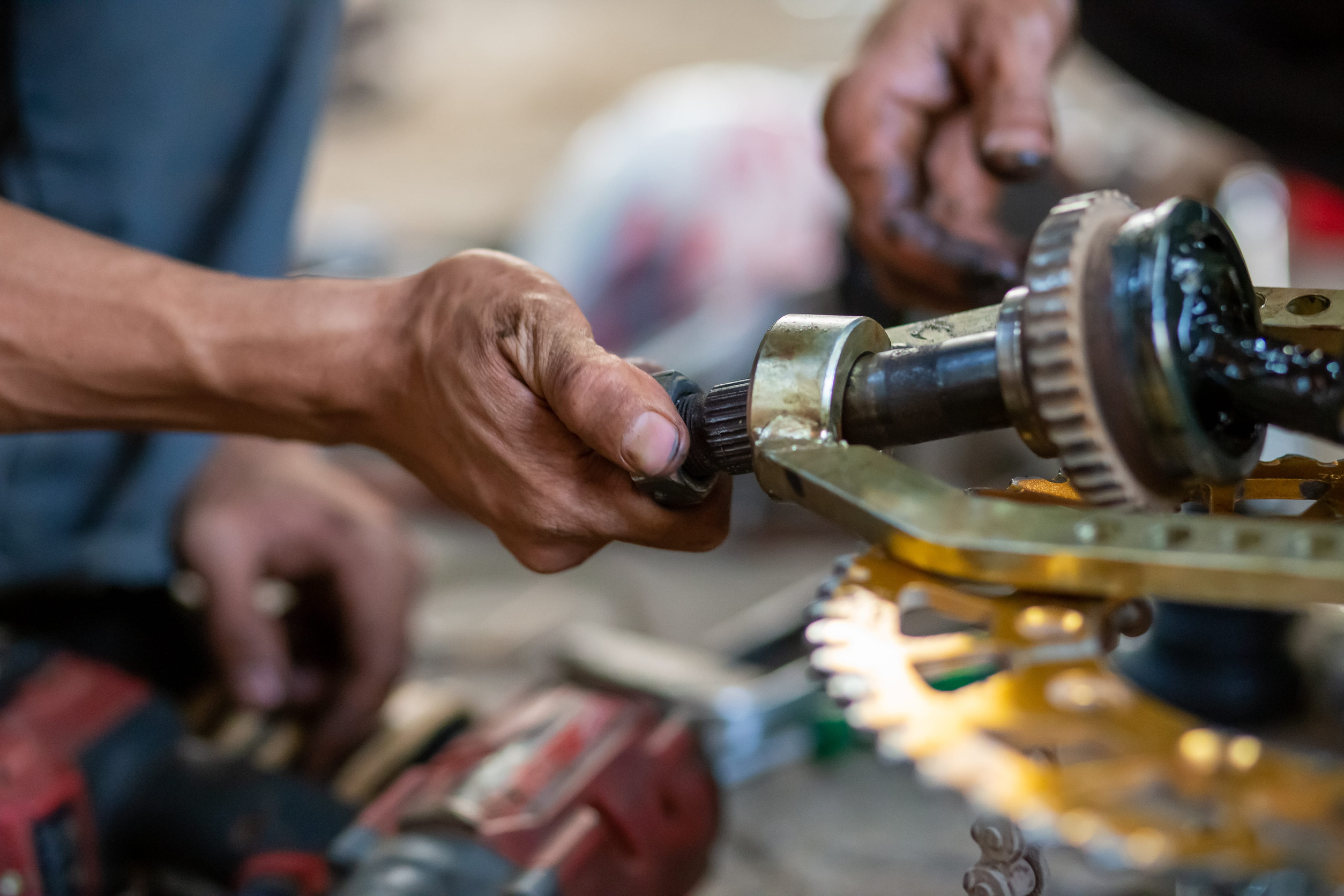
Many East Tennessee homeowners rely on private wells for their household water supply. Unlike homes connected to municipal water systems, well owners depend on a combination of pumps, pressure tanks, controls, plumbing lines, and water treatment equipment to deliver clean water throughout the home.
When a well pump begins to fail, the symptoms are often subtle at first. A slight drop in water pressure, occasional sputtering from faucets, or longer pump run times may not seem serious. However, these early warning signs can quickly progress into complete water loss if ignored.
Understanding how a well system works, recognizing the signs of pump failure, and knowing when repair or replacement is necessary can help homeowners avoid costly emergencies and maintain a reliable water supply.
How a Residential Well Pump System Works
A well pump is responsible for moving groundwater from the well into your home's plumbing system. Depending on the depth of the well, the pump may be installed above ground or submerged inside the well casing.
Most East Tennessee homes use one of two primary pump types:
- Submersible well pumps
- Jet pumps
The pump works alongside a pressure tank that stores water and maintains consistent pressure throughout the home. When water is used, pressure drops inside the tank. Once pressure reaches a predetermined level, the pump activates and refills the system.
When every component functions properly, homeowners enjoy steady water pressure and reliable service throughout the property.
Average Lifespan of a Well Pump
Most residential well pumps last between 8 and 15 years, although lifespan can vary significantly based on several factors.
- Water quality
- Mineral content
- Pump quality
- Installation quality
- Maintenance history
- Frequency of use
- Electrical conditions
Homes with hard water often experience accelerated wear on pumps and plumbing components. Homeowners dealing with mineral-heavy groundwater may benefit from understanding how hard water affects your plumbing system and the long-term consequences it can have on equipment.
Low Water Pressure Throughout the Home
One of the earliest signs of a failing well pump is reduced water pressure.
If showers feel weaker than normal, faucets deliver less water, or multiple fixtures cannot operate simultaneously, the pump may be struggling to maintain adequate pressure.
Low pressure can also originate from clogged pipes, failing pressure tanks, sediment buildup, or plumbing leaks. Because several issues can produce similar symptoms, professional diagnosis is often necessary.
If pressure issues appear suddenly, reviewing common causes of low water pressure in residential plumbing systems can help homeowners understand potential contributing factors.
Sputtering Faucets and Air in the Lines
Water flowing unevenly from faucets often indicates air entering the plumbing system.
Common causes include:
- Damaged pump components
- Cracked suction lines
- Declining water levels
- Leaks in well piping
- Failing pump seals
Air entering the system can cause sputtering, inconsistent flow, and pressure fluctuations throughout the home.
While occasional air pockets may not indicate a major issue, recurring problems should always be investigated.
Unusually High Electric Bills
A failing well pump often works harder and runs longer than necessary.
As components wear out, efficiency declines and electrical consumption increases.
Homeowners sometimes notice rising utility costs before they notice water delivery problems.
If your electrical bills increase without an obvious explanation, your well pump may be cycling excessively or operating inefficiently.
Pump Runs Constantly
Under normal conditions, a well pump cycles on and off as water demand changes.
A pump that never shuts off is a major warning sign.
Possible causes include:
- Pressure tank failure
- Pressure switch problems
- Water leaks
- Declining groundwater levels
- Pump wear
- Damaged check valves
Continuous operation places tremendous stress on the motor and significantly shortens equipment lifespan.
Persistent water leaks elsewhere in the home can also contribute to excessive pump cycling. Homeowners should learn how to recognize early signs of hidden plumbing leaks before they create larger system issues.
Dirty or Cloudy Water
Water quality changes can indicate pump problems.
If faucets begin producing:
- Cloudy water
- Sandy water
- Silty water
- Discolored water
The pump may be drawing sediment from the bottom of the well.
This often occurs when:
- The pump is aging
- The well casing is damaged
- The pump is improperly positioned
- Groundwater conditions have changed
Excess sediment can damage plumbing fixtures, water heaters, filters, appliances, and pressure tanks.
Strange Noises Coming from the Pump System
Modern well pumps typically operate quietly.
Grinding, humming, clicking, rattling, or vibrating sounds often indicate mechanical issues.
Potential causes include:
- Motor wear
- Impeller damage
- Loose electrical components
- Pressure tank problems
- Failing bearings
Unusual noises should never be ignored because they often precede complete failure.
Water Pressure Surges
Pressure fluctuations often indicate system instability.
You may notice:
- Strong pressure followed by weak flow
- Rapid pressure changes during showers
- Inconsistent faucet performance
- Frequent pump cycling
Pressure surges may result from failing pressure tanks, damaged pressure switches, or pump performance issues.
Some homes also benefit from evaluating pressure control devices and understanding how a properly functioning plumbing pressure management system protects household plumbing components.
No Water at All
The most obvious sign of well pump failure is complete loss of water service.
While homeowners often assume the pump has failed entirely, several other issues can produce similar symptoms.
- Tripped breakers
- Pressure switch failures
- Electrical faults
- Dry wells
- Damaged wiring
- Failed control boxes
A professional inspection is usually required to identify the exact cause.
How Water Quality Affects Well Pump Lifespan
Water quality plays a major role in well system longevity.
East Tennessee properties frequently experience challenges related to mineral content, sediment, and groundwater chemistry.
Over time, these conditions can cause:
- Scale buildup
- Pump wear
- Pipe corrosion
- Pressure loss
- Reduced efficiency
Many homeowners invest in treatment systems after learning how filtration and water treatment systems improve overall water quality and protect plumbing infrastructure.
Repair vs. Replacement: Which Is Better?
Not every pump problem requires replacement.
Repairs are often possible when the issue involves:
- Pressure switches
- Control boxes
- Electrical connections
- Pressure tank components
- Minor plumbing issues
Replacement is typically recommended when:
- The pump is nearing the end of its lifespan
- Major motor damage exists
- Multiple repairs have occurred
- Efficiency has significantly declined
- Replacement costs are close to repair costs
What Happens During Well Pump Replacement?
The replacement process depends on the type of pump installed.
For submersible pumps, technicians must pull the pump and piping assembly from the well.
The process generally includes:
- System inspection
- Electrical testing
- Pump removal
- Pipe inspection
- New pump installation
- Pressure testing
- Water quality evaluation
Modern replacement pumps often provide improved efficiency, reliability, and performance compared to older models.
Why Professional Diagnosis Matters
Well systems contain multiple interconnected components.
Replacing a pump without addressing underlying issues can lead to recurring problems and unnecessary expenses.
Professional testing helps determine whether the true cause involves:
- The pump
- The pressure tank
- Electrical systems
- Water quality
- Well production levels
- Plumbing leaks
This comprehensive approach prevents misdiagnosis and ensures long-term reliability.
Preventive Maintenance Can Extend Pump Life
Routine maintenance remains one of the most effective ways to maximize equipment lifespan.
Recommended maintenance includes:
- Pressure testing
- Electrical inspections
- Water quality testing
- Pressure tank evaluations
- Sediment monitoring
- Flow rate assessments
Homeowners who schedule routine inspections often avoid expensive emergency failures and unexpected water outages.
Many of the same principles discussed in annual plumbing maintenance inspections apply directly to private well systems and water delivery equipment.
When to Call a Professional
You should contact a qualified plumbing professional if you experience:
- Sudden pressure loss
- Air in plumbing lines
- Cloudy or dirty water
- Pump noises
- Constant cycling
- Unexplained utility increases
- Water outages
Early intervention often prevents significantly more expensive repairs and helps preserve the lifespan of your well equipment.
Why East Tennessee Homeowners Trust Advanced Heating & Air Conditioning
At Advanced Heating & Air Conditioning, we understand the unique challenges that East Tennessee homeowners face when relying on private wells for their water supply.
Our team evaluates the entire water delivery system, not just the pump itself. From diagnosing pressure problems and water quality concerns to replacing aging equipment and protecting your plumbing infrastructure, we focus on long-term reliability and performance.
Whether you're dealing with declining water pressure, unusual pump behavior, or complete loss of service, professional diagnosis can save time, money, and frustration.
Final Thoughts
Your well pump is one of the most important mechanical systems in your home. Without it, everyday activities such as cooking, bathing, cleaning, and drinking water become impossible.
Recognizing the early warning signs of failure allows homeowners to address problems before they escalate into emergencies. Low pressure, cloudy water, excessive cycling, rising utility bills, and unusual noises are all indicators that your system may need professional attention.
With proper maintenance, timely repairs, and expert installation when replacement becomes necessary, a quality well pump can provide years of dependable service for your East Tennessee home.


