


Why Restaurants in Knoxville Need Specialized HVAC Maintenance
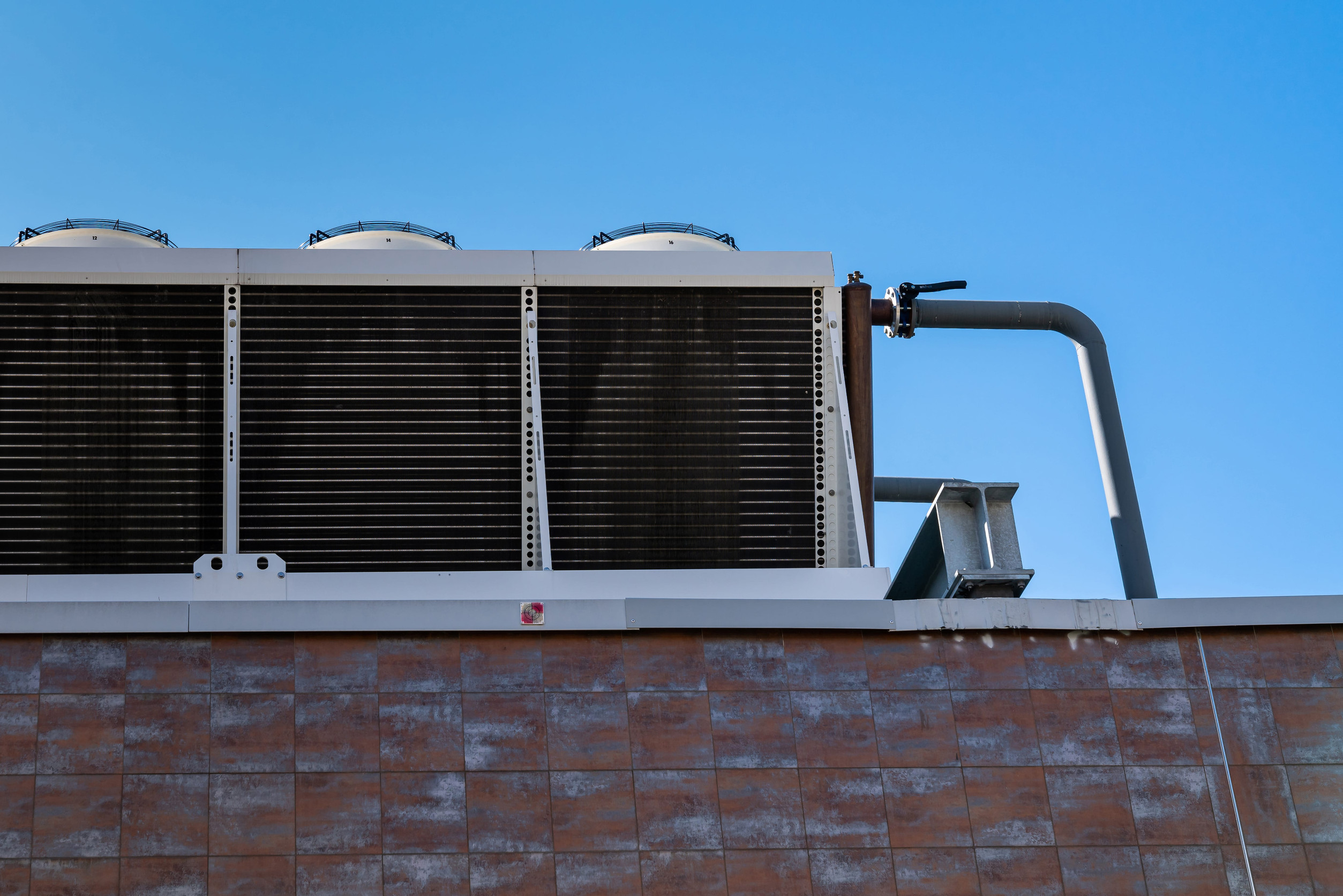
In the fast-paced food service industry, a restaurant’s kitchen and dining room rely on behind-the-scenes mechanical systems to operate efficiently. While executive chefs focus on menu design and front-of-house managers prioritize customer experience, the heating, ventilation, and air conditioning (HVAC) infrastructure works continuously to maintain indoor comfort, safety, and compliance.
Running a food service establishment in Knoxville, Tennessee, introduces significant operational demands on mechanical systems. High ambient summer humidity, heavy commercial cooking equipment, aerosolized grease particles, and rigorous health department codes mean standard commercial maintenance routines are simply insufficient for restaurant facilities.
Without specialized, targeted HVAC maintenance, commercial dining establishments risk catastrophic equipment failures, costly health code violations, sky-high utility costs, and ruined dining experiences. Understanding the importance of preventive maintenance for commercial properties is essential for keeping Knoxville restaurants operational, safe, and profitable year-round.
1. The Complex Thermal Environment of a Commercial Kitchen
A commercial kitchen is one of the most intense mechanical environments in modern building management. Line cooks operate heavy-duty appliances—including open-flame gas ranges, charbroilers, deep fryers, deck ovens, and steam tables—that generate enormous amounts of heat, water vapor, combustion gases, and airborne grease.
+-----------------------------------------------------------------------------------+
|                  COMMERCIAL KITCHEN THERMAL LOAD SOURCES                          |
+-------------------+---------------------------------------------------------------+
| EQUIPMENT SOURCE  | THERMAL & MECHANICAL IMPACT ON HVAC SYSTEM                    |
+-------------------+---------------------------------------------------------------+
| Deep Fryers &     | Releases vaporized grease particles that clog filters and    |
| Charbroilers      | coat rooftop condenser coils, dropping cooling efficiency.     |
+-------------------+---------------------------------------------------------------+
| Steam Tables &    | Injects massive latent moisture loads into the air, driving up |
| Dishwashers       | indoor relative humidity levels.                              |
+-------------------+---------------------------------------------------------------+
| Gas Ranges &      | Generates extreme sensible heat loads requiring continuous     |
| Deck Ovens        | high-volume exhaust and conditioned makeup air.               |
+-------------------+---------------------------------------------------------------+
Managing this intense internal load requires specialized HVAC balance. Standard office buildings or retail stores typically experience sensible heat gains from lighting and computer equipment. In contrast, restaurants must manage massive sensible heat loads alongside heavy latent heat loads (moisture).
When kitchen air isn't systematically conditioned and exhausted, ambient kitchen temperatures can rapidly spike past 95°F. This creates unsafe working conditions for kitchen staff, accelerates employee fatigue, increases risk of heat exhaustion, and forces commercial refrigeration units (walk-in coolers and freezers) to work harder, leading to early compressor failure.
2. Managing the Delicate Balance Between Exhaust and Makeup Air
The foundation of restaurant HVAC engineering is the dynamic relationship between kitchen exhaust hood systems and Dedicated Outdoor Air Systems (DOAS), commonly called Makeup Air Units (MAU).
+-----------------------------------------------------------------------+
|                    RESTAURANT AIR BALANCE EQUATION                    |
+-----------------------------------------------------------------------+
|  EXHAUST AIR (Kitchen Hoods + Restroom Vents + Dishwasher Exhaust)    |
|                                  =                                    |
|  MAKEUP AIR (Conditioned MAU) + RECOVERED AIR (Dining Room Transfer)  |
+-----------------------------------------------------------------------+
When commercial exhaust hoods pull thousands of cubic feet per minute (CFM) of grease-laden air out of the kitchen, that air must be replaced. If the makeup air unit is improperly maintained, clogged with dirt, or suffering from broken fan belts, the building falls into a severe negative air pressure state.
The Dangers of Negative Air Pressure in Restaurants
A negatively pressurized restaurant creates severe operational disruptions across the facility:
- Slamming or Sticking Doors: Exterior entrance doors become difficult for guests to push open or slam shut violently, posing safety hazards.
- Unconditioned Air Infiltration: Unconditioned, humid East Tennessee air is sucked through building cracks, window frames, and delivery doors, driving up utility bills.
- Drafts and Hot/Cold Zones: Cold air rushes into dining areas during winter months, causing discomfort for seated guests.
- Backdrafting Risk: Negative pressure can pull toxic carbon monoxide and combustion gases backward down water heater and appliance flues into the building.
- Kitchen Smoke Spills: Kitchen exhaust hoods lose capture efficiency, allowing grease particulates and smoke to spill into the dining room.
Specialized restaurant HVAC maintenance ensures makeup air blowers, motorized dampers, and heating burners are precisely calibrated to match exhaust CFM, keeping the facility slightly positive in relation to the outdoors. Partnering with certified providers of professional commercial HVAC services guarantees your building's pressure balance remains stable through all seasons.
3. The Impact of Airborne Grease on Mechanical Components
Airborne grease is the ultimate enemy of commercial restaurant HVAC equipment. Even with high-efficiency grease baffles installed inside exhaust hoods, microscopic vaporized fat particles pass through exhaust ducts and escape onto rooftop mechanical equipment.
+-----------------------------------------------------------------------------------+
|                        GREASE CONTAMINATION IMPACT MATRIX                         |
+-------------------+---------------------------------------------------------------+
| SYSTEM COMPONENT  | CONSEQUENCE OF GREASE ACCUMULATION                            |
+-------------------+---------------------------------------------------------------+
| Rooftop Condenser | Forms an insulating blanket over fins; causes high head      |
| Coils             | pressure and thermal compressor burnout.                      |
+-------------------+---------------------------------------------------------------+
| Economizer        | Seizes motorized fresh air dampers; prevents natural free    |
| Dampers           | cooling and violates ventilation codes.                       |
+-------------------+---------------------------------------------------------------+
| Blower Wheels     | Weights down fan blades, causing motor vibration, bearing     |
| & Shafts          | destruction, and severe air volume drops.                     |
+-------------------+---------------------------------------------------------------+
| Supply & Return   | Coats interior duct surfaces, creating foul odors and forming  |
| Ductwork          | a major fire hazard.                                          |
+-------------------+---------------------------------------------------------------+
Standard commercial HVAC technicians servicing an office building may only need to change filters and brush off outdoor dust. However, a technician performing restaurant HVAC maintenance must specialize in chemical grease remediation.
Coils covered in grease act as thermal insulators. When grease coats a rooftop condenser coil, the system cannot expel heat into the outside air. The compressor is forced to run continuously at elevated head pressures, consuming excessive electricity until the internal motor windings overheat and fail. Routine chemical coil washing with specialized degreasers is essential to preserve mechanical assets.
4. Battling Knoxville’s High Summer Humidity in the Dining Room
Knoxville’s humid subtropical climate presents significant latent cooling challenges from May through October. For restaurants, high humidity is magnified by kitchen steam, boiling water pots, automatic dishwashers, and dense dining room occupancy.
+-----------------------------------------------------------------------+
|                    THE RETAIL DINING HUMIDITY CASCADING EFFECT        |
+-----------------------------------------------------------------------+
|  High Humidity  -->  Clammy Seats  -->  Condensation on Windows/Plates|
|         |                                              |              |
|         v                                              v              |
| Odor Retention  -->  Fungal Growth  -->  Negative Guest Reviews       |
+-----------------------------------------------------------------------+
When relative humidity inside the dining room climbs above 60%, several problems emerge simultaneously:
- Thermal Discomfort: Guests feel warm and sticky even when the thermostat displays 70°F, prompting repeated requests to lower the temperature.
- Condensation and Safety Hazards: Moisture condenses on cold tile floors, polished concrete, glass display cases, and salt shakers, creating slip-and-fall hazards for patrons and waitstaff.
- Foul Odors: High humidity traps lingering odors from grease traps, dish pits, and garbage storage areas, creating unappealing dining smells.
- Organic Microbial Growth: Persistent indoor humidity promotes mold and mildew growth behind booths, under wall coverings, and inside supply air diffusers.
Specialized restaurant maintenance includes testing refrigerant subcooling levels, setting variable-speed blower fans for optimal moisture removal, inspecting condensate drain pans, and servicing dedicated reheat circuits or commercial dehumidifiers. Reviewing guidelines on how often commercial HVAC systems should be serviced in Knoxville helps restaurant operators establish an aggressive, multi-season service schedule.
5. Protecting Food Safety and Health Department Compliance
In the food service industry, HVAC performance is directly linked to food safety regulations and local health inspection scores.
Preventing Cross-Contamination
Health codes require strict physical separation between food preparation areas and potential air contamination sources. Improperly balanced HVAC airflow can carry airborne dust, lint, and bathroom odors directly onto open food preparation lines. Specialized maintenance verifies that airflows travel from clean dining areas toward kitchen exhaust zones, never the reverse.
Protecting Refrigeration Capacities
Walk-in coolers, reach-in freezers, and refrigerated prep tables operate by absorbing heat from food storage cabinets and rejecting that heat into the surrounding ambient air. If kitchen ambient air temperatures rise unchecked due to a failing kitchen AC or malfunctioning makeup air unit, walk-in compressors cannot dump heat effectively.
This causes internal cabinet temperatures to rise past the safe 40°F threshold, risking massive food spoilage, bacterial growth, and immediate health code shutdown. Preventing these unexpected breakdowns avoids severe financial impacts, highlighting how catching issues early prevents common business HVAC problems.
6. What a Restaurant-Specific Maintenance Checklist Must Cover
A standard commercial maintenance plan is insufficient for a food service facility. A specialized restaurant HVAC preventive maintenance agreement should be scheduled on a bi-monthly or quarterly basis and include specific operational tasks across all mechanical units.
+-----------------------------------------------------------------------------------+
|                  SPECIALIZED RESTAURANT HVAC MAINTENANCE CHECKLIST                 |
+-------------------+---------------------------------------------------------------+
| SUBSYSTEM         | CRITICAL RESTAURANT-SPECIFIC SERVICE TASKS                    |
+-------------------+---------------------------------------------------------------+
| Makeup Air Units  | Inspect gas burner ignition, check blower belt alignment,     |
| (MAUs)            | wash intake filters, calibrate discharge temperature sensors. |
+-------------------+---------------------------------------------------------------+
| Rooftop Cooling   | Perform heavy degreasing coil washes, check compressor amp    |
| Units (RTUs)      | draws, flush condensate lines, clear drain pan trap blockage. |
+-------------------+---------------------------------------------------------------+
| Exhaust Fan       | Check fan belt tension, lubricate high-temp fan bearings,     |
| Assemblies        | inspect vibration isolators, verify CFM airflow output.       |
+-------------------+---------------------------------------------------------------+
| Economizers &     | Clean grease film from sensor probes, test actuator linkage   |
| Dampers           | movement, verify minimum fresh air intake positioning.        |
+-------------------+---------------------------------------------------------------+
| Thermostats &     | Recalibrate multi-zone temperature sensors, verify setback     |
| Controls          | schedules, test interlock relays between hood and MAU.        |
+-------------------+---------------------------------------------------------------+
Proper maintenance of restaurant plumbing and gas connections is equally critical to building safety. Addressing potential gas line requirements or drain issues helps managers avoid severe commercial plumbing fails in Knoxville.
7. The Direct Financial Math: Maintenance vs. Emergency Breakdown
For a Knoxville restaurant operator, the financial cost of an HVAC breakdown extends far beyond the repair invoice. A major equipment failure during a peak Friday night dinner service or home game weekend in Knoxville can devastate bottom-line profitability.
+-----------------------------------------------------------------------------------+
|                    COST ANALYSIS OF A SUMMER HVAC FAILURE                         |
+-----------------------------------+-----------------------------------------------+
| REPAIR & OPERATIONAL COSTS        | ESTIMATED FINANCIAL IMPACT                    |
+-----------------------------------+-----------------------------------------------+
| After-Hours Emergency Service Call| $800 - $1,500                                 |
+-----------------------------------+-----------------------------------------------+
| Expedited Compressor / Motor Parts| $2,500 - $6,000                               |
+-----------------------------------+-----------------------------------------------+
| Spooled Food Inventory Waste      | $3,000 - $10,000                              |
+-----------------------------------+-----------------------------------------------+
| Lost Friday/Saturday Dinner Sales | $8,000 - $25,000                              |
+-----------------------------------+-----------------------------------------------+
| TOTAL FINANCIAL LOSS              | $14,300 - $42,500                             |
+-----------------------------------+-----------------------------------------------+
When comparing emergency repair costs against a routine maintenance contract, the math is overwhelmingly clear. Investing in planned, specialized servicing extends mechanical equipment lifespan, ensures peak operating efficiency, lowers utility bills, and provides complete financial control over facility operations. Knowing how to choose an HVAC contractor for your business ensures you partner with a provider capable of handling complex commercial kitchen demands.
Securing Your Restaurant’s Success with Specialized Care
In the restaurant business, guest satisfaction, staff safety, and operational profitability rely heavily on background mechanical climate controls. Knoxville’s unique summer climate, combined with the extreme heat, moisture, and grease generated by commercial cooking, demands a specialized maintenance approach.
By partnering with experienced commercial HVAC professionals who understand building pressurization, makeup air integration, grease remediation, and latent humidity control, restaurant owners can protect their valuable mechanical investments, maintain health code compliance, and ensure a comfortable, welcoming dining environment for every guest who walks through the door.


