


Average Cost of Commercial HVAC Installation in Knoxville TN
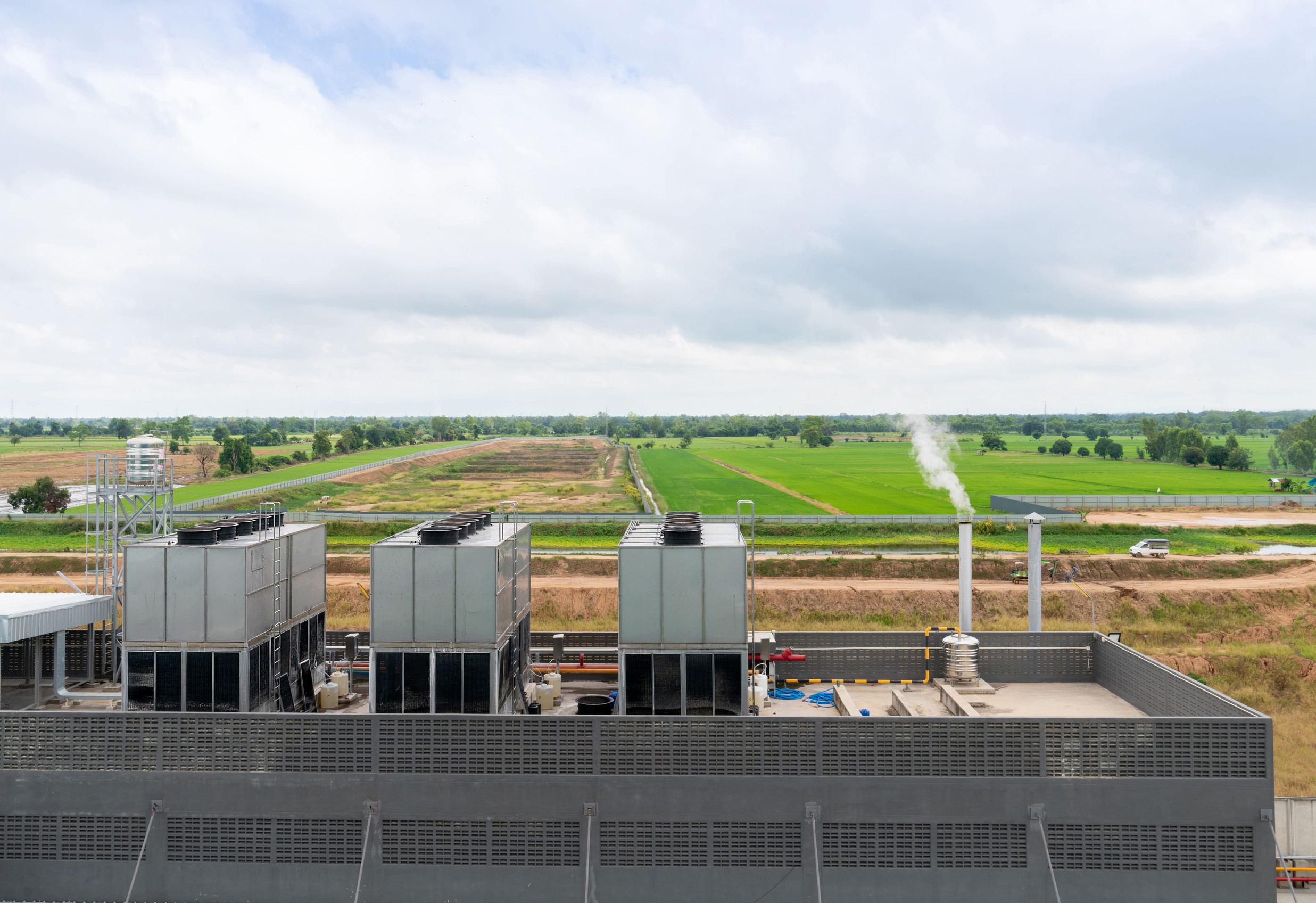
Installing a new commercial heating, ventilation, and air conditioning system is one of the most substantial capital investments a business or property owner will make. In Knoxville, Tennessee, the average cost for a commercial HVAC installation typically ranges between $12,000 and $100,000 or more, with most standard small to mid-sized commercial projects falling between $18,000 and $45,000.
On a per-unit basis, commercial HVAC installations generally run from $3,500 to $7,500 per ton of cooling capacity, or roughly $15 to $35 per square foot of conditioned space depending on building design, system complexity, and structural modifications.
A 1,500-square-foot retail boutique in Downtown Knoxville requiring a single 5-ton rooftop unit will sit at the lower end of the cost spectrum. Conversely, a 20,000-square-foot industrial warehouse in West Knoxville or a multi-zone office park in Cedar Bluff requiring complex ductwork modifications, high-efficiency Variable Refrigerant Flow (VRF) equipment, and specialized cranes will require a significantly larger investment.
Understanding the specific variables that influence commercial installation pricing allows facility managers to budget accurately, evaluate contractor proposals, and select equipment engineered for East Tennessee's climate.
Cost Breakdown by Building Size and Tonnage
Commercial HVAC capacity is measured in tons, where one ton equals 12,000 British Thermal Units (BTUs) of cooling capacity per hour. Commercial buildings typically require approximately 1 ton of cooling capacity for every 300 to 500 square feet of conditioned space, depending on occupant density, lighting heat loads, window exposure, and insulation quality.
The following table outlines average installation cost expectations across different commercial property profiles in the Knoxville market.
Primary Cost Drivers for Commercial HVAC Projects in Knoxville
Commercial HVAC pricing is never one-size-fits-all. Multiple structural, mechanical, and environmental factors influence the final line items on an installation contract.
+-----------------------------------------------------------------------+
|              PRIMARY COMMERCIAL HVAC COST COMPONENTS                  |
+-----------------------------------------------------------------------+
|  1. Equipment Purchase Price (Tonnage, SEER2 Rating, Stage Controls)  |
|  2. Labor and Mechanical Installation (Engineering, Rigging, Wiring)  |
|  3. Ductwork Fabrication, Modification, and Static Pressure Balancing |
|  4. Structural Modifications (Roof Curbs, Adapters, Crane Rentals)    |
|  5. Permitting, Code Compliance, and Municipal Inspections            |
|  6. Controls Integration (Building Automation Systems, BMS, DDC)      |
+-----------------------------------------------------------------------+
1. Equipment Type and Architecture
The mechanical configuration you select plays a major role in equipment purchase costs:
- Packaged Rooftop Units (RTUs): The most common choice for commercial buildings in East Tennessee. RTUs combine heating and cooling components into a single outdoor cabinet mounted on the roof. They offer lower installation labor costs because the system is pre-assembled at the factory.
- Commercial Split Systems: Similar to residential split systems, these separate the outdoor condenser from an indoor air handler or furnace. They are frequently used in multi-story office buildings or properties with restricted roof access.
- Variable Refrigerant Flow (VRF) Systems: Highly efficient systems that deliver precise heating and cooling to individual zones simultaneously. While VRF equipment carries an upfront cost 30% to 50% higher than traditional RTUs, its low energy consumption provides rapid payback for multi-tenant properties.
When evaluating system types, partnering with experienced providers of commercial HVAC services guarantees that your equipment matches your building's precise heat-load calculations.
2. Ductwork Design and Fabrication
Ductwork installation or modification represents a substantial portion of overall project labor. If an existing building features properly sized, clean, and structurally sound sheet metal ductwork, installation costs drop significantly.
However, if a new high-efficiency unit requires higher airflow volume (measured in Cubic Feet per Minute, or CFM), existing duct trunks may need to be enlarged or replaced. Installing new custom-fabricated sheet metal ductwork adds between $8 and $18 per linear foot, plus labor fees for insulation, sealing, and air balancing.
3. Crane Rentals and Rigging Services
Installing a packaged rooftop unit requires heavy crane equipment to lift multi-ton units onto the building structure. In Knoxville, renting a commercial crane with a certified operator typically costs between $1,500 and $4,500 per day, depending on boom height, reach requirements, and street closure permits.
If the new replacement RTU has a different physical footprint than the old unit, a custom steel roof curb adapter must be fabricated and installed. Curb adapters cost between $1,200 and $2,800 installed, ensuring a watertight seal between the new unit and the existing roof penetration.
4. Electrical and Gas Line Infrastructure
Upgrading commercial climate control equipment often requires electrical panel adjustments. A higher-tonnage compressor may demand 460-volt, three-phase power rather than standard 208/230-volt service. Running new conduit, installing heavy-duty disconnect switches, and upgrading main breakers can add $2,000 to $6,000 to the total scope of work.
For gas-fired rooftop units or commercial furnaces, verifying natural gas line sizing and pressure regulators adds modest plumbing labor fees.
5. Municipal Permits and Building Codes
Commercial installations in Knox County, the City of Knoxville, or surrounding municipalities like Maryville and Oak Ridge require mechanical, electrical, and structural permits. Permit fees are based on project value and typically range from $300 to $1,500. Inspections ensure compliance with local energy conservation codes and fire safety standards.
Average Cost by System Type
Commercial Packaged Rooftop Units (RTUs)
Rooftop units are the standard for single-story commercial real estate. Average turnkey installation costs for packaged RTUs in the Knoxville area break down as follows:
- 3 to 5 Ton RTU: $10,500 – $18,500 per unit
- 7.5 to 10 Ton RTU: $16,000 – $28,000 per unit
- 15 to 25 Ton RTU: $32,000 – $55,000 per unit
These figures include equipment procurement, crane rigging, curb adapter installation, electrical hookup, and basic duct connections.
Commercial Split Systems
Split systems are popular in properties where roof mounting is unfeasible or where indoor mechanical rooms are already present.
- 5 Ton Commercial Split System: $11,000 – $19,000 installed
- 10 Ton Commercial Split System: $20,000 – $34,000 installed
Variable Refrigerant Flow (VRF) / Multi-Split Systems
VRF systems excel in buildings requiring independent temperature controls across dozens of individual offices or hotel rooms.
- Average Cost: $18 to $35 per square foot installed. A 10,000-square-foot office building installing a complete VRF system should budget between $180,000 and $350,000.
Reviewing the primary signs your commercial HVAC system needs replacing in East Tennessee helps building owners identify aging equipment before unexpected mechanical failures force a rushed replacement.
Local Knoxville Climate Factors and Utility Impact
Knoxville sits in the Tennessee River Valley, an area characterized by warm, humid summers and moderately cold winters. Commercial cooling systems in Knox County must handle substantial latent heat loads (atmospheric humidity) from June through September.
+-----------------------------------------------------------------------+
|               KNOXVILLE LOCAL COMMERCIAL HVAC FACTORS                 |
+-----------------------------------------------------------------------+
|  • Atmospheric Humidity: Requires high latent moisture removal        |
|  • KUB Peak Demand Charges: High electrical draw inflates monthly bills |
|  • TVA EnergyRight Rebates: Cash incentives for high-efficiency units  |
|  • Spring Pollen Blasts: Requires heavy-duty filter banks & washing   |
+-----------------------------------------------------------------------+
Managing KUB Peak Demand Charges
Commercial power accounts with the Knoxville Utilities Board (KUB) include peak demand billing. Peak demand is determined by the highest electrical draw during any 15-minute window in a billing cycle.
Installing modern variable-speed or multi-stage compressors prevents massive electrical starting spikes. Although a variable-speed commercial system may cost 20% more upfront, reducing peak demand spikes yields major savings on monthly KUB utility bills.
TVA EnergyRight Commercial Incentives
The Tennessee Valley Authority (TVA), in partnership with local distributors like KUB and LCUB, offers cash-back rebates for businesses upgrading to qualifying high-efficiency heat pumps and HVAC equipment. Incentives can range from $50 to $200 per ton, directly reducing net installation expenses.
To maximize long-term savings, understanding the broader benefits of upgrading your business HVAC system allows property managers to calculate payback timelines based on energy reductions and utility rebates.
Tax Deductions and Financial Options for Business Owners
Commercial property owners do not have to absorb the full financial impact of a new system immediately. Modern tax structures and financing tools offer valuable cash flow relief.
IRS Section 179 Expense Deductions
Under current federal tax guidelines, qualifying commercial HVAC equipment installed in commercial buildings can be fully expensed in the year of purchase under Section 179, rather than depreciating the equipment over 39 years.
This allows business owners to deduct 100% of the total installation cost from their taxable business income in year one, yielding thousands of dollars in immediate tax savings.
Financing Commercial Installations
Many commercial property managers utilize flexible financing structures to protect working capital:
- Capital Leases: Allow businesses to spread equipment costs over 36 to 72 months while retaining equipment ownership at the end of the term.
- Energy Service Agreements (ESAs): Enable properties to pay for new equipment through documented energy savings without upfront capital outlays.
Exploring available flexible commercial HVAC financing options allows business owners to preserve cash reserves while upgrading facility infrastructure immediately.
Step-by-Step: How to Secure an Accurate Commercial HVAC Quote
To ensure you receive competitive, comprehensive proposals without surprise add-ons during installation, follow this professional procurement workflow:
+-----------------------------------------------------------------------+
|                 COMMERCIAL PROCUREMENT WORKFLOW                       |
+-----------------------------------------------------------------------+
|  Step 1: Perform an In-Person Structural & Mechanical Site Audit      |
|  Step 2: Require a Formal Manual N Load Calculation (No Sizing Guesses) |
|  Step 3: Inspect Ductwork Static Pressure & Existing Electrical Panels|
|  Step 4: Request Itemized Quotes (Equipment, Rigging, Permits, Labor) |
|  Step 5: Verify Contractor Commercial Licensing & Insurance Coverage  |
|  Step 6: Review Warranty Terms & Preventive Maintenance Agreements   |
+-----------------------------------------------------------------------+
1. Require a Manual N Heat Load Calculation
Never allow a contractor to size a commercial replacement simply by reading the model number on the old unit. Building usage, insulation, and internal heat loads change over time. Professional contractors execute an ACCA Manual N load calculation to determine exact tonnage requirements.
2. Verify Itemized Scope of Work
Ensure contractor proposals break down specific line items:
- Brand, model numbers, and SEER2/IEER efficiency ratings of proposed equipment
- Crane rental, rigging, and street closure permit fees
- Roof curb adapter fabrication and installation
- Ductwork modifications, smoke detector testing, and air balancing
- Disposal of old equipment and refrigerant recovery compliance
3. Choose the Right Commercial Contractor
Commercial mechanical systems require specialized engineering skills that differ significantly from residential installations. Knowing what to look for when choosing an HVAC contractor for your business ensures you partner with a team holding valid commercial licenses, adequate liability coverage, and dedicated commercial service divisions.
Investing in a properly engineered commercial HVAC installation protects building comfort, lowers monthly operational costs, and secures your facility's infrastructure for the next 15 to 20 years. By understanding tonnage requirements, rigging logistics, and local climate demands, Knoxville business owners can make confident, cost-effective decisions for their commercial properties.


