


Signs Your Commercial HVAC System Needs Replacing in East Tennessee
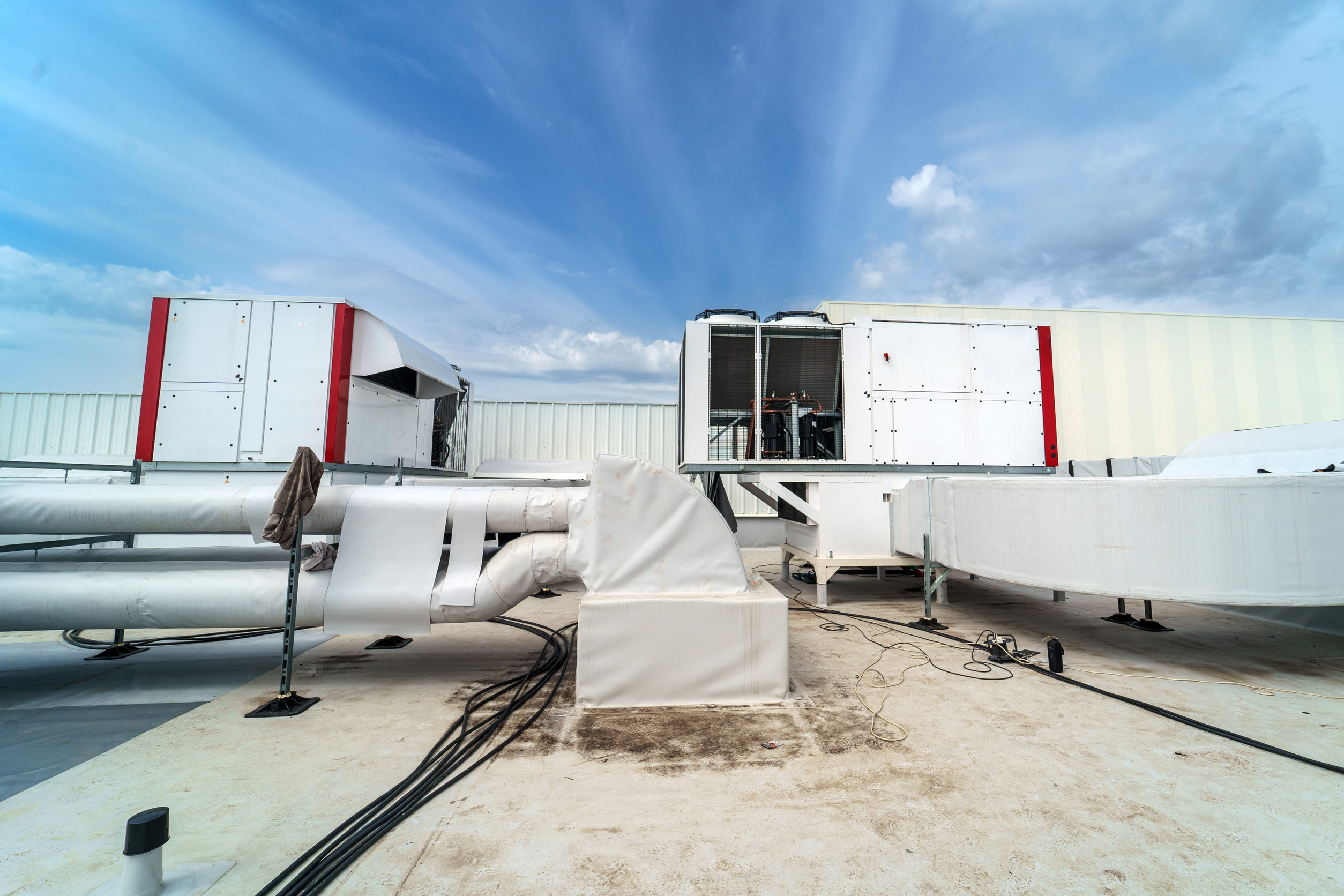
Operating a commercial facility in East Tennessee requires a robust, reliable heating, ventilation, and air conditioning infrastructure. Whether managing an office park in West Knoxville, a retail center in Turkey Creek, a manufacturing facility in Oak Ridge, or a hospitality venue in Pigeon Forge, your HVAC system is fundamental to daily business operations. It keeps employees productive, protects inventory and electronic hardware, maintains air quality, and ensures customers remain comfortable.
However, commercial heating and cooling equipment does not last forever. Operating under the intense environmental demands of the Tennessee River Valley takes a cumulative toll on rooftop units, commercial split systems, chillers, and boilers. Recognizing when an aging system transitions from a serviceable asset to an operational liability is critical for facility managers and property owners. Delaying a necessary system replacement leads to unexpected emergency shutdowns, inflated utility bills, tenant dissatisfaction, and costly water or structural damage.
Recognizing the key operational, financial, and environmental warning signs indicates when it is time to replace your commercial heating and cooling system, allowing you to protect your facility from unexpected downtime.
1. The Equipment Has Reached or Exceeded Its Operational Lifespan
The physical age of your commercial HVAC equipment is one of the most reliable indicators that replacement is on the horizon. While residential systems often operate under light, intermittent loads, commercial systems run for extended hours every day, moving immense volumes of air to satisfy strict ventilation codes and high occupant densities.
In temperate parts of the country, commercial rooftop units (RTUs) and split systems might last up to 20 years. However, East Tennessee presents a challenging climate characterized by prolonged summer humidity, heavy spring pollen blankets, and winter freeze-thaw cycles. Because of these localized stressors, the average lifespan of a commercial HVAC system in Knox County is typically between 12 and 15 years.
Understanding how long a commercial AC unit lasts in Tennessee's climate helps facility managers anticipate end-of-life performance degradation. When systems pass the 12-year mark, internal components such as compressor windings, fan motor bearings, and heat exchanger assemblies experience significant metal fatigue. Once a commercial unit reaches 15 years of age, continuing to pay for major component replacements often yields a poor return on investment compared to installing modern, high-efficiency equipment.
2. Unexplained Spikes in Utility Costs and KUB Peak Demand Charges
A gradual or sudden increase in monthly energy spending is a primary sign of internal mechanical failure. As commercial HVAC components wear out, they lose operational efficiency, requiring significantly more electricity or natural gas to produce the same heating and cooling output.
Commercial electric billing structures in East Tennessee differ substantially from residential accounts. Utility providers like the Knoxville Utilities Board (KUB), Lenoir City Utilities Board (LCUB), and Alcoa Electric charge commercial customers based on both total energy consumption (kilowatt-hours) and peak demand (kilowatts). Peak demand charges are calculated using the highest electrical power drawn by a facility during a brief interval within the billing cycle.
When commercial compressors labor under worn valves, dirty heat exchangers, or low refrigerant levels, their starting amperage spikes dramatically. A single failing rooftop unit can drag down facility efficiency and trigger higher peak demand charges across your entire monthly utility bill. If your power or gas costs are climbing year over year despite consistent operating hours and weather patterns, your HVAC equipment is losing the thermal efficiency needed to keep operational overhead under control.
3. Persistent Humidity Control Issues and Poor Indoor Air Quality
Cooling a commercial building in East Tennessee involves two distinct thermal tasks: lowering the dry-bulb air temperature (sensible cooling) and extracting moisture from the air (latent cooling). From June through September, relative humidity in Knox County routinely exceeds 70% to 80%. A fully functional commercial air conditioner acts as a large-scale dehumidifier, condensing airborne moisture across cold evaporator coils and draining it away safely.
As commercial systems age or experience compressor degradation, they lose their ability to handle high latent heat loads. You may notice subtle indicators of excess indoor humidity throughout your building:
A stale, damp, or musty odor in supply air ducts and tenant spaces
Clammy indoor air, even when the thermostat reads 72 degrees Fahrenheit
Fogging or condensation building up on interior glass windows and exterior metal doors
Visible mold or mildew growth around ceiling diffusers, supply grilles, and mechanical closets
Warped wooden flooring or peeling wall coverings in high-density areas
Reviewing how humidity affects your HVAC system in East Tennessee reveals why aging equipment struggles during peak summer months. If your current unit can no longer maintain indoor relative humidity levels below 50% to 55%, building occupants face health risks from dust mites and fungal spores, while the building structure faces long-term moisture damage.
4. Frequent Mechanical Breakdowns and Escalating Repair Expenses
Every commercial HVAC system requires routine maintenance, belt replacements, and occasional minor component fixes. However, when service calls become a frequent occurrence, your system is signaling widespread mechanical failure.
Facility managers can evaluate system replacement using the 50% Rule: if a single repair estimate equals 50% or more of the cost of a new system, or if cumulative repair expenses over the past 12 to 24 months exceed half the price of a replacement unit, installing new equipment is the financially responsible choice.
Continuing to pour capital into an aging system creates an unpredictable operational budget. Every emergency service call during a mid-summer heatwave or winter freeze carries premium labor rates and potential lead times for commercial replacement parts. Identifying and addressing common business HVAC problems early prevents minor component issues from cascading into catastrophic compressor or heat exchanger failures that force an unplanned shutdown.
5. Inconsistent Temperatures and Inability to Balance Building Zones
Have occupants in one wing of your building reported freezing temperatures while employees on the opposite side suffer through uncomfortable heat? Inconsistent temperatures across different building zones signal that your commercial HVAC system can no longer manage airflow, static pressure, or thermal load distribution.
Multi-zone commercial systems rely on complex damper assemblies, variable air volume (VAV) boxes, and modulating compressor stages to balance conditioning across different rooms. As systems age, several core components begin to fail:
Compressor staging controls lose the ability to ramp up or down to match real-time building occupancy
Supply fan blowers lose static pressure capacity, failing to push air to the furthest duct runs
Aging zone dampers lock in fixed positions, starving certain suites while over-conditioning others
Internal sensors and economizer modules lose calibration, pulling in excessive hot outdoor air
When temperature imbalances can no longer be resolved through standard duct balancing or sensor calibration, the primary unit lacks the capacity or modulation range required to handle your building's thermal footprint.
6. The System Uses Obsolete R-22 Refrigerant
If your commercial cooling system was installed prior to 2010, there is a high probability it relies on R-22 (HCFC-22) refrigerant, commonly known by the brand name Freon. Under the United States Environmental Protection Agency (EPA) Clean Air Act guidelines, the production and import of R-22 was completely phased out.
While existing R-22 systems are still legal to operate, servicing them when a refrigerant leak occurs has become prohibitively expensive. Virgin R-22 supplies are scarce, driving the cost of topping off a leaking commercial unit to extreme heights.
If an older R-22 commercial unit develops a leak in an evaporator or condenser coil, topping off the system is a temporary, expensive band-aid. Modern commercial HVAC equipment uses environmentally preferred, highly efficient refrigerants such as R-410A or newer low-GWP alternatives (like R-32 or R-454B). Transitioning away from R-22 protects your business from volatile service costs and aligns your facility with current environmental standards.
7. Loud Mechanical Noises and Burning Odors
A well-maintained commercial HVAC system operates with a consistent, low background hum. When a system approaches mechanical failure, it begins to generate distinct audible and olfactory warning signs that should never be ignored by facility staff.
Severe Audible Indicators
Squealing or Screeching: Indicates severely worn blower fan belts, dry motor bearings, or misaligned drive pulleys.
Grinding or Metallic Clanking: Signals failing motor bearings, loose fan blades hitting housing walls, or internal compressor piston damage.
Loud Knocking or Rattling Upon Start-Up: Points to loose internal compressor mounts, liquid refrigerant slugging back into the compressor, or failing isolation springs.
Persistent Hissing or Whistling: Indicates high-pressure refrigerant leaks or major structural gaps in main supply duct trunks.
Critical Olfactory Indicators
Burning or Electrical Smells: Signals overheating motor windings, melted wire insulation, or failing high-voltage contactors.
Persistent Musty Odors ("Dirty Sock Syndrome"): Points to heavy bacterial accumulation on evaporator coils and standing water in clogged drain pans.
Gas or Rotten Egg Odors: For gas-fired heating units, a sulfur smell indicates a natural gas leak requiring immediate emergency evacuation and service dispatch.
8. Safety Hazards and Heat Exchanger Cracks
For commercial rooftop units and packaged systems equipped with gas heating sections, structural integrity is a matter of life safety. Commercial gas furnaces cycle on and off thousands of times each winter, subjecting metal heat exchangers to extreme thermal expansion and contraction.
Over 12 to 15 years of continuous winter operation, this thermal stress causes hairline cracks to form in the heat exchanger tubes. A cracked heat exchanger allows toxic combustion gases, including carbon monoxide (CO), to mix directly with the building supply air stream recirculating through tenant spaces.
During annual maintenance inspections, certified technicians use fiber-optic cameras and combustion analyzers to check heat exchanger condition. If a crack is discovered, safety codes require the gas supply to be locked off immediately. Given the high cost of replacing a commercial heat exchanger on an older unit, opting for full commercial furnace replacement options for Knoxville businesses is the safest and most practical choice for building owners.
Financial and Operational Advantages of Replacing Your Commercial System
While replacing a commercial HVAC system represents a major capital expenditure, viewing the project through the lens of long-term return on investment (ROI) highlights clear operational advantages.
+-----------------------------------------------------------------------------------+
|                     FINANCIAL & OPERATIONAL VALUE ANALYSIS                        |
+-------------------+---------------------------------------------------------------+
| ADVANTAGE         | COMMERCIAL IMPACT                                             |
+-------------------+---------------------------------------------------------------+
| Utility Reduction | 20% to 40% reduction in monthly power and natural gas bills.  |
+-------------------+---------------------------------------------------------------+
| Tax Savings       | Accelerated depreciation under IRS Section 179 deductions.    |
+-------------------+---------------------------------------------------------------+
| Utility Rebates   | TVA EnergyRight and local distributor cash-back incentives.   |
+-------------------+---------------------------------------------------------------+
| Occupant Retention| Reduced tenant turnover and higher employee productivity.     |
+-------------------+---------------------------------------------------------------+
| Warranty Coverage | 5-to-10 year commercial parts warranties eliminate repair risk|
+-------------------+---------------------------------------------------------------+
Substantial Energy Savings
Modern commercial HVAC units achieve dramatically higher Integrated Energy Efficiency Ratio (IEER) and Seasonal Energy Efficiency Ratio (SEER2) ratings than systems built 10 to 15 years ago. Upgrading from a 10 SEER unit to an 18 SEER2 variable-speed system can reduce cooling-related electricity usage by 30% to 50%, generating immediate monthly cash savings on KUB utility statements.
Exploring the comprehensive benefits of upgrading your business HVAC system demonstrates how operational energy reductions directly lower overall building management costs over the life of the installation.
Federal Tax Incentives and Utility Rebates
Property owners can leverage attractive financial tools to offset initial replacement costs:
IRS Section 179 Expense Deductions: Under current tax law, qualifying commercial HVAC equipment purchases can be fully expensed in the year of installation rather than depreciated over 39 years, providing immediate tax relief.
TVA EnergyRight Rebates: The Tennessee Valley Authority and local power distributors offer cash-back incentives for commercial facilities that replace aging equipment with qualifying high-efficiency heat pumps and dual-fuel systems.
Improved Tenant Retention and Reduced Liability
Uncomfortable indoor temperatures and poor air quality are leading causes of commercial tenant lease cancellations and office productivity losses. Installing modern equipment equipped with advanced filtration, precise zoning, and automated Building Management System (BMS) controls guarantees a clean, comfortable, and professional working environment.
Taking Action: Planning Your Commercial System Replacement
Replacing a commercial HVAC system should never be a rushed, high-stress decision made during a mid-summer system breakdown. Proactive planning allows facility managers to evaluate building thermal loads, select the optimal equipment architecture, and schedule installation during off-peak business hours to minimize disruption.
+-----------------------------------------------------------------------+
|                 COMMERCIAL REPLACEMENT ACTION PLAN                    |
+-----------------------------------------------------------------------+
|  [✓] Step 1: Conduct a Comprehensive Mechanical Facility Audit        |
|  [✓] Step 2: Perform Updated Manual N / Commercial Heat Load Calculations|
|  [✓] Step 3: Evaluate Ductwork Integrity, Static Pressure, & Controls |
|  [✓] Step 4: Compare Upfront Equipment Costs Against Lifetime ROI     |
|  [✓] Step 5: Secure Local TVA Rebates and IRS Section 179 Eligibility |
|  [✓] Step 6: Partner with a Qualified Commercial HVAC Contractor      |
+-----------------------------------------------------------------------+
When selecting an installation team, know that partnering with experienced expert commercial HVAC and plumbing contractors in East Tennessee guarantees that your replacement project is executed safely, on schedule, and in full compliance with local Knox County building and energy codes.
Understanding the process of choosing the right commercial HVAC contractor for your business ensures you select a partner with commercial license credentials, dedicated crane lifting protocols, and certified technicians capable of handling complex commercial installations.
For commercial property owners across East Tennessee, recognizing the warning signs of a failing HVAC system is the first step toward securing your facility's operational future. By replacing aging, inefficient equipment before catastrophic failure occurs, you protect your building from downtime, lower monthly utility bills, and provide a comfortable indoor environment for everyone who enters your doors.


