


Commercial HVAC Emergency Response Times in East Tennessee
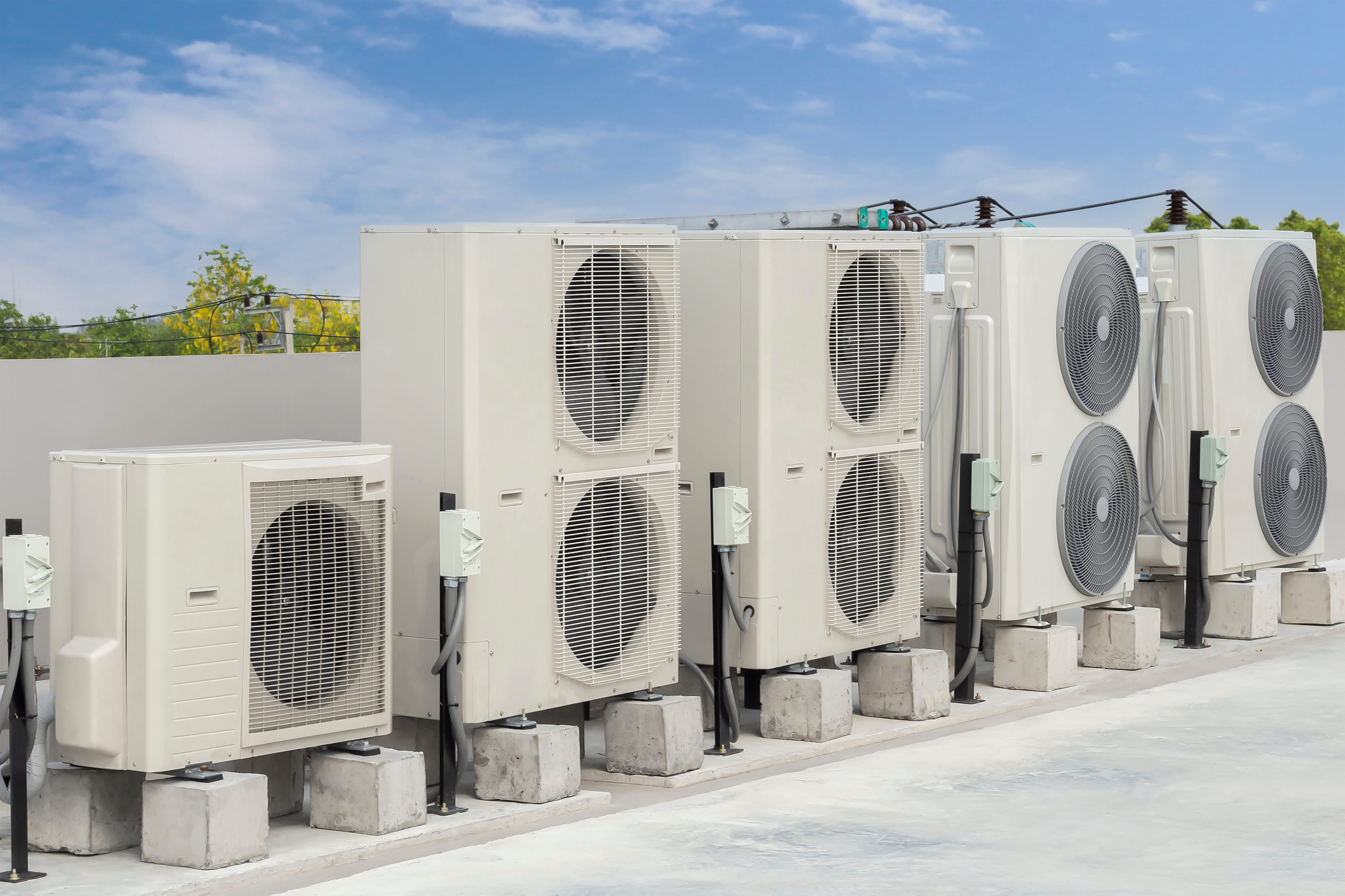
When a commercial heating, ventilation, and air conditioning (HVAC) system fails unexpectedly in East Tennessee, time is not merely a logistical metric—it is a direct financial variable. Unlike residential air conditioning outages, where an equipment breakdown primarily causes personal discomfort, a commercial HVAC system breakdown directly threatens business continuity, physical inventory, regulatory compliance, data infrastructure, and revenue generation.
Whether managing a high-density server facility in Oak Ridge, a medical surgical center in Knoxville, a food distribution warehouse in Alcoa, or a bustling retail complex in Sevierville, commercial facility managers must understand what drives HVAC emergency response times across the region. Recognizing how service provider response SLAs (Service Level Agreements) function, how geographic factors in East Tennessee influence dispatch logistics, and how to prepare a facility for rapid mechanical intervention can mean the difference between a minor operational hiccup and hundreds of thousands of dollars in catastrophic business loss.
1. What Defines a True Commercial HVAC Emergency?
Not every mechanical issue requires a two-hour emergency dispatch. To manage service costs and prioritize critical intervention, commercial contractors and facility managers classify service requests into distinct priority tiers based on operational impact and immediate risk.
+-----------------------------------------------------------------------------------+
|                        COMMERCIAL HVAC ISSUE PRIORITY MATRIX                      |
+-------------------+-------------------------------------+-------------------------+
| PRIORITY TIER     | OPERATIONAL CRITERIA                | TARGET RESPONSE WINDOW  |
+-------------------+-------------------------------------+-------------------------+
| Tier 1: Critical  | Complete system failure threatening  | 1 - 2 Hours             |
| Emergency         | safety, data, food, or compliance   | (24/7/365)              |
+-------------------+-------------------------------------+-------------------------+
| Tier 2: Urgent    | Partial capacity loss, minor zone   | 4 - 8 Hours             |
| Issue             | failures, non-critical backup failure| (Same Day)              |
+-------------------+-------------------------------------+-------------------------+
| Tier 3: Routine   | Minor airflow noise, minor leak,    | 24 - 48 Hours           |
| Service           | non-urgent maintenance requests     | (Scheduled Visit)       |
+-------------------+-------------------------------------+-------------------------+
Tier 1: Critical Emergency (1 to 2 Hour SLA Window)
A Tier 1 emergency involves an immediate threat to business operations, human health, or structural assets. Common examples include:
- Total Loss of Cooling in Server Rooms / IT Closets: Temperatures inside high-density server rooms can climb past 100°F within 15–20 minutes of an AC outage, causing hardware thermal shutdowns, data corruption, and permanent server damage.
- Healthcare & Pharmaceutical Temperature Failures: Medical clinics, surgical centers, and pharmacies must strictly preserve cold-chain storage for vaccines, tissue samples, and specialized pharmaceuticals under FDA and state health department guidelines.
- Commercial Kitchen Makeup Air & Exhaust Failures: A sudden breakdown in kitchen exhaust hoods or makeup air units (MAUs) forces toxic carbon monoxide and smoke onto the cooking line, instantly halting restaurant operations.
- Freezing Conditions in Unheated Buildings: During severe East Tennessee winter freezes, a commercial furnace or boiler failure risks frozen, burst fire sprinkler mains and domestic plumbing lines, leading to catastrophic building flooding.
Understanding common business HVAC problems and how to fix them helps facility directors recognize early warning indicators before a minor glitch escalates into a Tier 1 disaster.
2. Realistic Emergency Response SLA Windows in East Tennessee
When evaluating commercial HVAC service contracts, understanding the exact terminology used in Service Level Agreements (SLAs) is vital. A guarantee of "onsite arrival" is vastly different from "phone triage" or "parts availability."
+-----------------------------------------------------------------------------------+
|                  EMERGENCY RESPONSE TIME BREAKDOWN & TIMELINES                    |
+-------------------+---------------------------------------------------------------+
| RESPONSE PHASE    | WHAT HAPPENS DURING THIS WINDOW                               |
+-------------------+---------------------------------------------------------------+
| 1. Phone Triage   | Dispatcher & on-call master technician evaluate system alarms |
| (0–15 Minutes)    | over remote telemetry or phone to determine safety steps.     |
+-------------------+---------------------------------------------------------------+
| 2. Mobile Unit    | Service vehicle with specialized tools and common spare parts |
| Dispatch (15–30m) | is dispatched from local staging hubs.                        |
+-------------------+---------------------------------------------------------------+
| 3. Transit & Site | Technician navigates local traffic/topography to arrive       |
| Arrival (30–90m)  | on site, present credentials, and gain mechanical access.     |
+-------------------+---------------------------------------------------------------+
| 4. Diagnostic &   | Safety checks, electronic diagnostics, leak tracing, and     |
| Isolation (15–45m)| temporary containment or emergency bypass implementation.     |
+-------------------+---------------------------------------------------------------+
For premier contract holders, top-tier commercial mechanical contractors in East Tennessee target an onsite emergency response window of 60 to 120 minutes. Non-contract clients calling during peak summer heat waves or severe winter freezes can face response wait times of 12 to 24 hours (or more) due to prior contract commitments.
3. Geographic and Seasonal Factors Influencing Response Times in East Tennessee
East Tennessee presents a unique combination of topographical, meteorological, and infrastructure variables that directly impact dispatch logistics. A commercial contractor must account for these regional factors when routing emergency units.
+-----------------------------------------------------------------------------------+
|                 EAST TENNESSEE GEOGRAPHIC DISPATCH CHALLENGES                     |
+-------------------+---------------------------------------------------------------+
| REGIONAL FACTOR   | OPERATIONAL IMPACT ON EMERGENCY RESPONSE                      |
+-------------------+---------------------------------------------------------------+
| Urban Corridor    | Heavy congestion along I-40, I-75, and I-640 during peak      |
| Traffic (Knoxville| morning/evening commute hours delays cross-town transit.     |
+-------------------+---------------------------------------------------------------+
| Smoky Mountain    | Winding, high-elevation routes along US-441/TN-66 in Blount   |
| Topography        | and Sevier counties slow transit, especially during weather.  |
+-------------------+---------------------------------------------------------------+
| Seasonal Tourism  | Summer and holiday tourism surges in Pigeon Forge and Gatlinburg|
| Congestion        | create bottleneck traffic that stalls emergency vehicles.     |
+-------------------+---------------------------------------------------------------+
| Winter Weather    | Freezing rain and ice storms in high-elevation areas force    |
| & Icing           | service trucks to use snow chains, extending transit times.   |
+-------------------+---------------------------------------------------------------+
Navigating the Knoxville I-40/I-75 Corridor
Knoxville serves as the central commercial hub for East Tennessee. Major commercial nodes—such as West Knoxville retail centers, Downtown medical complexes, and East Knoxville industrial parks—depend on quick transit along I-40 and I-75. During peak traffic hours, accidents or road construction along the I-40/I-75 junction can freeze traffic, emphasizing the need for contractors to maintain multiple localized dispatch staging points across Knox County.
High-Elevation and Resort Logistics (Sevier & Blount Counties)
Commercial properties located in Maryville, Sevierville, Pigeon Forge, and Gatlinburg face dual challenges: mountain topography and heavy tourism traffic. A technician dispatched from downtown Knoxville to a resort complex in Gatlinburg on a July weekend may encounter hours of bumper-to-bumper traffic along TN-66. Established mechanical firms deploy dedicated local technicians stationed directly within Sevier County to guarantee fast response SLAs.
Seasonal Demand Spikes
The first prolonged 90°F+ heat wave in June and the first hard freeze in November trigger massive spikes in commercial service requests across Tennessee. Knowing the best time of year to replace your hvac system in east tennessee allows facility managers to upgrade aging equipment during shoulder seasons, eliminating the risk of waiting for emergency service during extreme weather surges.
4. The Real Costs of Delayed Response Times
When a commercial building loses mechanical climate control, financial losses compound by the hour. These expenses extend far beyond the immediate mechanical repair bill.
+-----------------------------------------------------------------------+
|                 CASCADING COSTS OF AN UNRESOLVED FAILURE              |
+-----------------------------------------------------------------------+
|  HVAC System Failure                                                 |
|     │                                                                 |
|     ├──► Facility Downtime & Spoiled Inventory ($$$$)                  |
|     │                                                                 |
|     ├──► Tenant Rent Abatement Claims & Lease Disputes ($$$)          |
|     │                                                                 |
|     ├──► Emergency Rental Chiller / Generator Leasing Costs ($$$$)    |
|     │                                                                 |
|     └──► Structural Water / Humidity Remediation Costs ($$$$$)        |
+-----------------------------------------------------------------------+
1. Direct Inventory and Operational Loss
In food processing plants, grocery store centers, and pharmaceutical facilities, an unresolved cooling breakdown leads to rapid product spoilage. A temperature excursion lasting just two hours can force a facility to destroy hundreds of thousands of dollars in regulated food or medical inventory.
2. Tenant Abatement and Lease Violations
Commercial real estate leases routinely contain strict indoor environmental standards. If a building owner fails to restore heating or cooling within a contractually specified window (often 24 hours), tenants may legally invoke rent abatement clauses, withhold lease payments, or seek damages for business interruption.
3. Humidity and Mold Remediation Costs
In East Tennessee’s humid climate, an unconditioned building rapidly absorbs moisture. Elevated indoor relative humidity (above 65%) can cause moisture to condense on ceiling tiles, drywall, and hardwood fixtures, triggering microbial growth. Understanding how humidity affects your hvac system in east tennessee illustrates why rapid response is vital to prevent severe structural moisture damage.
5. How Preventive Maintenance Contracts Guarantee Fast Emergency Service
The most effective way to secure rapid emergency response times is through a formal Commercial Preventive Maintenance Agreement (PMA).
+-----------------------------------------------------------------------------------+
|                  CONTRACT CLIENTS VS. NON-CONTRACT CALLERS                        |
+-----------------------------------+-----------------------------------------------+
| PREVENTIVE MAINTENANCE CONTRACT   | ON-CALL NON-CONTRACT CLIENTS                  |
+-----------------------------------+-----------------------------------------------+
| Contractually guaranteed 1–2 hr   | Best-effort response; subject to technician    |
| response SLA                      | availability during peak demand               |
+-----------------------------------+-----------------------------------------------+
| Discounted emergency labor rates  | Premium peak-season emergency service rates   |
| (10% to 20% off standard)         | and travel fees                               |
+-----------------------------------+-----------------------------------------------+
| Pre-inventoried OEM replacement   | Extended lead times waiting for specialized   |
| parts stocked locally             | parts distribution                            |
+-----------------------------------+-----------------------------------------------+
| Complete system familiarity;      | Technician must spend valuable time mapping    |
| archived mechanical records       | unfamiliar building layouts and controls      |
+-----------------------------------+-----------------------------------------------+
When severe weather strikes, mechanical contractors prioritize clients with active preventive maintenance agreements. Signing a structured service plan grants your facility VIP dispatch priority, ensuring a technician is on site while non-contract callers wait in line.
Furthermore, routine servicing catches worn contactors, degraded belts, dirty coils, and minor refrigerant leaks before they turn into midnight emergency shutdowns. Reviewing the clear financial arguments on why is an hvac maintenance plan worth it for knoxville homeowners applies equally to commercial facilities looking to mitigate operational risk.
6. How Facility Managers Can Prepare for Rapid Emergency Interventions
A swift response time from an HVAC contractor depends partly on how well the facility manager prepares the site for emergency arrival. Delays often occur after the technician arrives at the security gate or mechanical room door.
+-----------------------------------------------------------------------+
|               FACILITY EMERGENCY PREPAREDNESS CHECKLIST               |
+-----------------------------------------------------------------------+
|  [✓] Mechanical Access: Keycards, master keys, and roof hatch clearance|
|  [✓] Clear Staging: Kept parking areas open for service trucks/cranes |
|  [✓] Updated Schematics: As-built wiring diagrams accessible on site   |
|  [✓] BMS Credentials: Guest logins ready for Building Controls System|
|  [✓] Safety Protocols: Onsite hazard documentation & lock-out tags     |
+-----------------------------------------------------------------------+
- Streamline Mechanical Room & Roof Access: Ensure security personnel have immediate clearance to grant night-shift access to electrical rooms, mechanical penthouses, and roof hatches without waiting for off-site approvals.
- Maintain Clear Electrical and Mechanical Schematics: Store updated as-built mechanical drawings, wiring diagrams, and equipment control sequences directly inside unit control panels or digital building archives.
- Establish Remote Building Management System (BMS) Access: Granting your commercial HVAC contractor secure, remote administrative access to your BMS allows technicians to diagnose sensor errors, bypass failed stages, or adjust setpoints electronically before ever stepping foot on site.
- Partner with Qualified Mechanical Professionals: Knowing how to choose an hvac contractor for your business ensures you establish relationships with licensed firms equipped with heavy commercial rigging, advanced diagnostics, and dedicated emergency fleets.
7. Knowing When Emergency Repair Turns to Equipment Replacement
In some emergency situations, a technician arriving on site uncovers severe mechanical damage—such as a cracked heat exchanger in a gas furnace, a burnout on a 50-ton chiller compressor, or a split coil on a custom rooftop packaged unit. When parts availability requires weeks of lead time, temporary emergency cooling/heating rentals or total equipment replacement must be evaluated.
+-----------------------------------------------------------------------------------+
|                       REPAIR VS. REPLACEMENT DECISION FRAMEWORK                   |
+-----------------------------------+-----------------------------------------------+
| CHOOSE EMERGENCY REPAIR IF:       | CHOOSE ACCELERATED REPLACEMENT IF:            |
+-----------------------------------+-----------------------------------------------+
| Unit is under 10 years old with   | System is 15+ years old and uses phase-out    |
| localized component failure       | R-22 refrigerant                              |
+-----------------------------------+-----------------------------------------------+
| Repair cost is under 30% of total | Repair cost exceeds 50% of a modern, high-    |
| replacement capital cost          | efficiency replacement unit                   |
+-----------------------------------+-----------------------------------------------+
| OEM replacement parts are stocked | Critical components are obsolete or require   |
| locally for same-day delivery     | 6-12 week factory manufacturing lead times    |
+-----------------------------------+-----------------------------------------------+
When evaluating major system investments during an operational crisis, understanding the average cost of hvac replacement in knoxville tn allows commercial decision-makers to weigh immediate repair expenses against long-term capital replacement value.
Protecting Your Business with Guaranteed Mechanical Response
In the competitive East Tennessee business landscape, an unexpected commercial HVAC failure should never threaten your company's operational continuity or bottom line. Partnering with a dedicated commercial mechanical contractor that provides clear, contractually backed emergency SLAs, 24/7 priority dispatch, and robust preventive maintenance programs guarantees that when mechanical crises happen, your facility gets back online quickly, safely, and cost-effectively.


