


Is an HVAC Maintenance Plan Worth It for Knoxville Homeowners
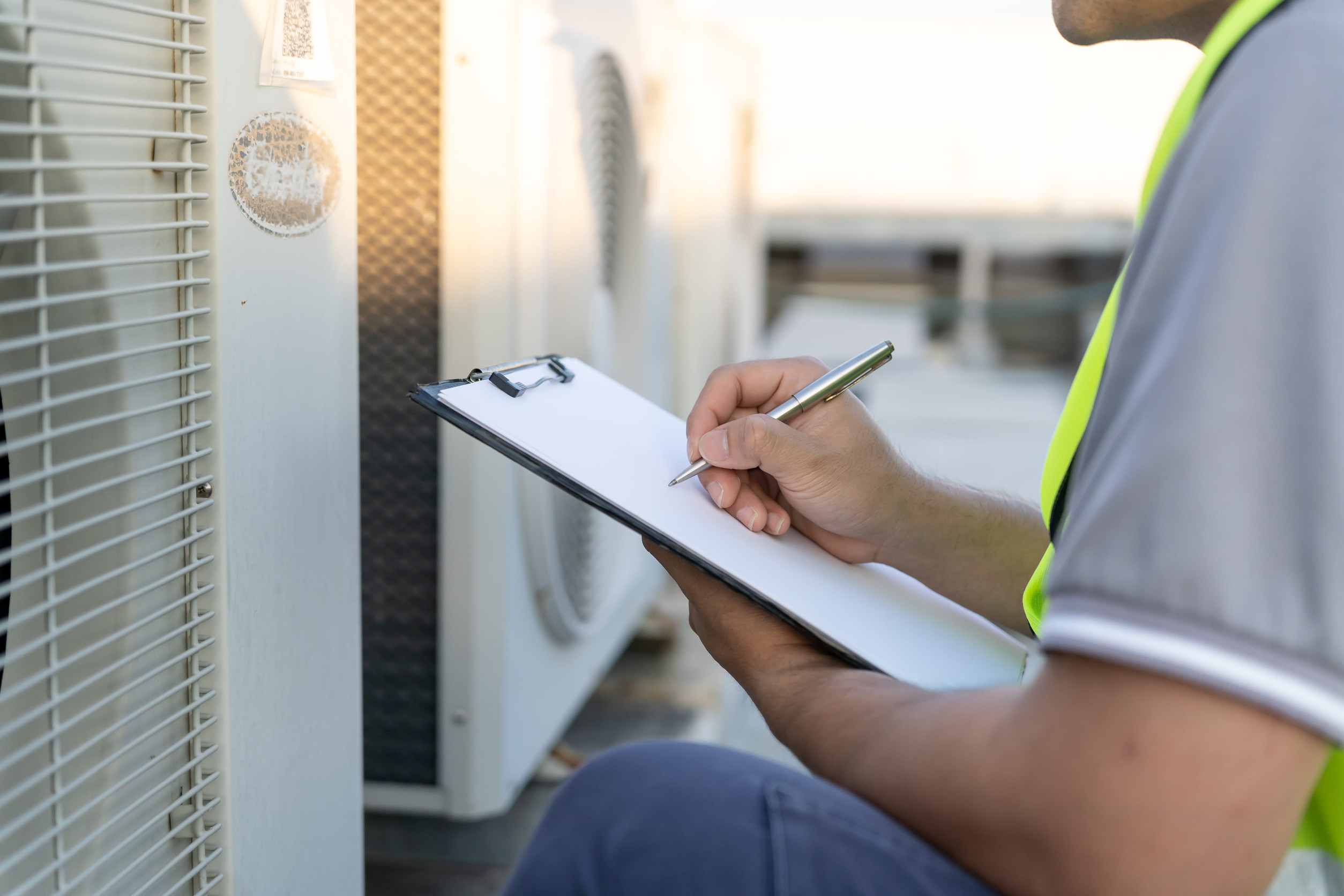
Short answer: yes — for Knoxville homeowners, an HVAC maintenance plan is one of the single highest-yielding investments you can make in your property. Operating a heating and cooling system in the East Tennessee Valley presents a unique set of mechanical challenges. Between relentless summer humidity, sudden winter freeze snaps, and some of the highest seasonal pollen counts in the nation, local HVAC units work far harder and longer than systems in milder climates.
Without routine care, heat pumps, air conditioners, and furnaces experience rapid performance degradation, inflated monthly energy bills, and early mechanical failure. A professional HVAC maintenance plan shifts your home’s climate control strategy from expensive, reactive repairs to predictable, proactive maintenance.
The East Tennessee Climate Challenge: Why Local Systems Work Double-Time
To understand the financial and practical value of a maintenance agreement, you first need to look at the environment in which your HVAC system operates. Knoxville experiences a true four-season climate characterized by intense summer heat, freezing winter temperatures, and prolonged shoulder seasons packed with atmospheric humidity and heavy airborne particulates.
Extreme Humidity and Summer Heat
From late May through September, temperatures in Knox County routinely climb into the high 80s and 90s, accompanied by relative humidity levels frequently exceeding 70% to 80%. Your air conditioner is not merely responsible for cooling indoor air; it acts as a primary dehumidifier. To remove moisture, the system must run longer cooling cycles. This constant condensation places extraordinary demand on the evaporator coil, blower motor, and condensate drain lines. Deeply understanding how humidity affects your HVAC system in East Tennessee highlights why unchecked moisture rapidly leads to clogged drain lines, frozen coils, and microbial growth inside the unit.
Winter Temperature Swings and Auxiliary Heat Demands
Winter in the Tennessee Valley can bring sudden temperature drops into the teens and single digits. Most homes in the area rely on air-source heat pumps, which must switch into defrost modes or engage electric auxiliary heat strips during hard freezes. If outdoor coils are dirty or refrigerant levels are slightly off, the system struggles to extract ambient heat, causing utility bills to skyrocket as power-hungry heat strips run continuously.
Heavy Pollen and Environmental Debris
Spring and autumn bring picturesque views to the Great Smoky Mountains, but they also bring heavy blankets of tree, grass, and weed pollen. Outside condenser units pull thousands of cubic feet of air through their aluminum fins every day. Pollen, grass clippings, dirt, and fallen leaves build up on these coils, creating an insulating blanket that traps heat and forces the compressor to operate under dangerously high head pressures.
What Is Included in a Professional HVAC Maintenance Plan?
A common misconception among homeowners is that an HVAC tune-up is simply a superficial inspection or a filter change you could do yourself. In reality, a comprehensive agreement involves detailed electro-mechanical testing, thermal measurement, and deep cleaning performed by certified technicians.
When you enroll in a professional HVAC preventive maintenance program, your system receives two comprehensive tune-ups per year—typically one in early spring for cooling and one in late autumn for heating.
+-----------------------------------------------------------------------+
|                 TYPICAL HVAC MAINTENANCE TUNE-UP                      |
+------------------------------------+----------------------------------+
| SPRING COOLING TUNE-UP             | FALL HEATING TUNE-UP             |
+------------------------------------+----------------------------------+
| • Evaporator & condenser coil cleaning | • Heat exchanger safety inspection|
| • Refrigerant level assessment      | • Gas pressure & burner cleaning  |
| • Electrical contactor/capacitor check | • Ignition assembly testing       |
| • Condensate drain line flush      | • Carbon monoxide leak check      |
| • Blower motor amp draw testing    | • Defrost cycle & heat strip check|
| • Airflow & ductwork check         | • Thermostat calibration          |
+------------------------------------+----------------------------------+
The Spring Cooling Tune-Up Checklist
- Condenser Coil Cleaning: Technicians wash away built-up dirt, pollen, and debris from the exterior unit to restore heat-transfer capacity.
- Refrigerant Charge Verification: Checking refrigerant pressure ensures your system cools efficiently. Even a 10% drop in refrigerant can increase operating costs by over 20%.
- Electrical System Inspection: Testing capacitors, contactors, relays, and electrical connections prevents sudden component burnouts during 95°F heatwaves.
- Condensate Line Flush: Flushing the primary and secondary drain lines clears algae, dust, and sludge, preventing water overflow into your ceiling or crawlspace.
- Blower Assembly & Airflow Inspection: Checking the blower motor’s amperage draw and fan blade cleanliness guarantees proper cubic feet per minute (CFM) airflow across the coils.
The Fall Heating Tune-Up Checklist
- Heat Exchanger Inspection: For gas furnaces, technicians inspect the heat exchanger for hairline cracks or corrosion that could leak dangerous carbon monoxide into your living space.
- Burner Assembly & Ignition Testing: Cleaning gas burners and testing igniters ensures clean combustion and reliable heating ignition.
- Heat Pump Defrost & Auxiliary Control Checks: Verifying defrost controls, reversing valves, and electric heat strip operation prevents heat pumps from locking up in ice during sub-freezing nights.
- Safety Control Testing: Testing high-limit switches, rollout switches, and emergency shut-offs ensures safe fuel combustion and operation.
The Financial ROI: A Direct Cost-Benefit Analysis
Evaluating whether an HVAC maintenance plan is worth the expense comes down to simple math. The average residential maintenance plan costs between $150 and $250 per year. Comparing that predictable cost against the real expenses of unmaintained equipment reveals clear financial savings.
+-----------------------------------------------------------------------+
|                      FINANCIAL COMPARISON                             |
+-----------------------------------+-----------------------------------+
| PREVENTIVE MAINTENANCE PLAN       | REACTIVE REPAIR APPROACH          |
+-----------------------------------+-----------------------------------+
| Cost: $150 – $250 / year          | Cost: $0 initial                  |
| Monthly Energy Bills: Optimized   | Monthly Energy Bills: +15% to 25% |
| Major Repairs: Discounted/Avoided | Emergency Repairs: $300 - $1,500+ |
| System Lifespan: 15 – 20 Years    | System Lifespan: 8 – 12 Years     |
| Diagnostic Fees: Discounted/Waived| Diagnostic Fees: Full Rate        |
+-----------------------------------+-----------------------------------+
1. Monthly Energy Savings (10% to 25% Reductions)
According to data from the U.S. Department of Energy, dirty coils, improperly adjusted blower components, and incorrect refrigerant charges cause HVAC systems to consume vastly more electricity to reach target thermostat temperatures. A well-tuned system operates at maximum manufacturer efficiency. For an average Knoxville home with summer power bills around $200 per month, a 15% reduction in energy usage saves $30 per month. Over a full cooling and heating season, energy savings alone can fully offset the annual cost of the maintenance plan.
2. Preventing Catastrophic Repair Costs
The vast majority of emergency HVAC calls stem from neglected routine maintenance. Consider these common emergency repair scenarios:
- Clogged Condensate Drain: A blocked drain line causes water to back up, tripping ceiling drain pans or causing thousands of dollars in water damage to floors and sheetrock.
- Failed Capacitor: A $25 part that degrades unnoticed can cause the compressor to overheat and burn out, resulting in a $1,500 to $3,000 repair.
- Dirty Evaporator Coil: Restricts airflow, causing the system to freeze into a solid block of ice, which damages internal valving and compressor valves.
When major failures occur during peak summer months, having access to fast emergency AC repair services is essential, but preventing those failures through maintenance remains far more cost-effective.
3. Extending System Lifespan by Up to 50%
A complete residential HVAC system replacement in East Tennessee typically costs between $6,000 and $14,000+, depending on home size, efficiency rating, and ductwork requirements. An unmaintained system operating under constant mechanical stress rarely lasts beyond 10 to 12 years. Conversely, a system that receives bi-annual maintenance routinely reaches 15 to 20 years of reliable service. Pushing a multi-thousand-dollar replacement out by five to eight years saves significant money over time.
The Fine Print Trap: Preserving Your Manufacturer Warranty
Many Knoxville homeowners with newer heating and cooling systems assume they do not need a maintenance plan because their equipment is covered under a 5-year or 10-year manufacturer warranty. This assumption can be an expensive mistake.
Major HVAC equipment manufacturers—including Trane, Carrier, Lennox, Rheem, and Goodman—explicitly state in their warranty terms that coverage is contingent upon regular maintenance performed by a licensed HVAC professional.
Important Note: If a major component like a compressor or heat exchanger fails while under warranty, manufacturers frequently request documented maintenance records before approving part replacement. If you cannot provide proof of annual professional maintenance, the manufacturer reserves the right to deny warranty coverage, leaving you responsible for expensive replacement parts and labor costs.
Peak Season Reality: Priority Service and Financial Discounts
Ask any Knoxville HVAC contractor about late June or early January, and they will describe an avalanche of emergency calls. When outdoor temperatures hit 95°F with high humidity, or when a winter freeze drops temperatures to 15°F, repair companies receive hundreds of service requests a day. Unscheduled service calls often mean waiting two to three days in uncomfortable or dangerous indoor temperatures.
+-----------------------------------------------------------------------+
|                    MAINTENANCE PLAN MEMBER ADVANTAGES                 |
+-----------------------------------------------------------------------+
|  [1] Jump-to-the-front Priority Scheduling during heatwaves/freezes   |
|  [2] 10% to 15% discount on all replacement parts and labor           |
|  [3] Reduced or waived emergency diagnostic trip charges              |
|  [4] Automatic service reminders so maintenance is never missed        |
|  [5] Inflation-protected maintenance rates                            |
+-----------------------------------------------------------------------+
Priority Service Scheduling
As a maintenance plan member, you skip the line. HVAC service providers prioritize plan members ahead of non-affiliated callers during peak demand periods. If your system experiences an issue during a July heatwave, a technician is dispatched to your home significantly faster.
Member Discounts on Parts and Labor
Most maintenance plans include direct discounts on any repairs your system may require—typically 10% to 15% off parts and labor. Additionally, many programs waive or heavily discount standard diagnostic trip fees, providing immediate savings whenever service is required.
Maximizing Airflow and System Efficiency
Airflow is the lifeblood of your home's HVAC system. When airflow becomes restricted, thermal energy cannot be transferred effectively, placing extreme physical stress on mechanical blowers and motors.
Identifying and addressing causes of weak HVAC airflow is a primary objective during annual tune-ups. Technicians inspect duct connections for physical disconnections, evaluate static pressure levels inside supply trunks, and check blower wheel cleanliness.
DIRTY COILS & BLOCKED FILTERS
       │
       ▼
RESTRICTED AIRFLOW (LOW CFM)
       │
       ▼
HIGH STATIC PRESSURE & MECHANICAL STRAIN
       │
       ▼
FROZEN COILS OR OVERHEATED COMPRESSOR
       │
       ▼
SYSTEM BREAKDOWN & HIGH POWER BILLS
Complementing professional checks with home maintenance is equally critical. Routinely replacing dirty air filters on schedule every 30 to 90 days prevents fine dust from bypassing the filter media and coating internal mechanical parts between professional service visits.
Indoor Air Quality and Health Benefits for East Tennessee Families
Your HVAC system recirculates the air inside your home several times per hour. If internal system components are coated in biological growth, dirt, or dust, those contaminants are swept directly into your living spaces.
In Knoxville, where spring tree pollen and summer humidity combine to create tough conditions for allergy and asthma sufferers, maintaining clean internal equipment is vital. During maintenance visits, technicians clean condensate pans, flush standing water from drain lines, and inspect internal blower cabinets to prevent mold spores, bacteria, and allergens from taking root inside your ventilation system.
For households seeking maximum protection, combining a maintenance agreement with proactive indoor air quality tools offers superior comfort. Exploring and implementing practical solutions for reducing indoor allergens—such as whole-house air purifiers, UV germicidal lights, and high-MERV filtration—complements regular tune-ups by keeping both the air and internal HVAC components free from microscopic pollutants.
Key Indicators That Your Home Needs a Maintenance Plan Immediately
If you have lived in your home for years without an active service agreement, your heating and cooling system may already be exhibiting subtle warning signs of performance decay.
- Steadily Rising Energy Bills: If your utility bill increases year-over-year without changes in power rates or weather extremes, your system is losing operational efficiency.
- Unusual Operational Noises: Squealing, grinding, rattling, or clicking sounds when your unit starts up indicate loose belts, worn bearings, or failing electrical contactors.
- Frequent Short-Cycling: If your system turns on and off rapidly every few minutes, it may be overheating, experiencing pressure imbalances, or operating with improperly calibrated thermostat sensors.
- Uneven Temperatures Across Rooms: Rooms that stay stubborn warm in summer or cold in winter point to restricted duct airflow, leaking air runs, or improper refrigerant charges.
- Persistent Musty Odors: Stale, damp smells when the blower engages signal standing water in drain pans or biological growth on evaporator coils.
- Unexpected Winter Heating Failures: If your heat pump struggles during temperature drops, scheduling timely furnace and heating repair alongside a ongoing maintenance agreement stops emergency outages before severe weather arrives.
When evaluating whether an HVAC maintenance plan is worth it for your Knoxville home, consider the complete picture: reduced monthly utility bills, protection against multi-thousand-dollar emergency repairs, priority service during seasonal weather spikes, preserved manufacturer warranties, and cleaner indoor air. For a modest annual investment, a maintenance plan delivers long-term financial returns and daily peace of mind, making it one of the smartest maintenance decisions an East Tennessee homeowner can make.


