


How Office Buildings in Knoxville Can Cut HVAC Downtime
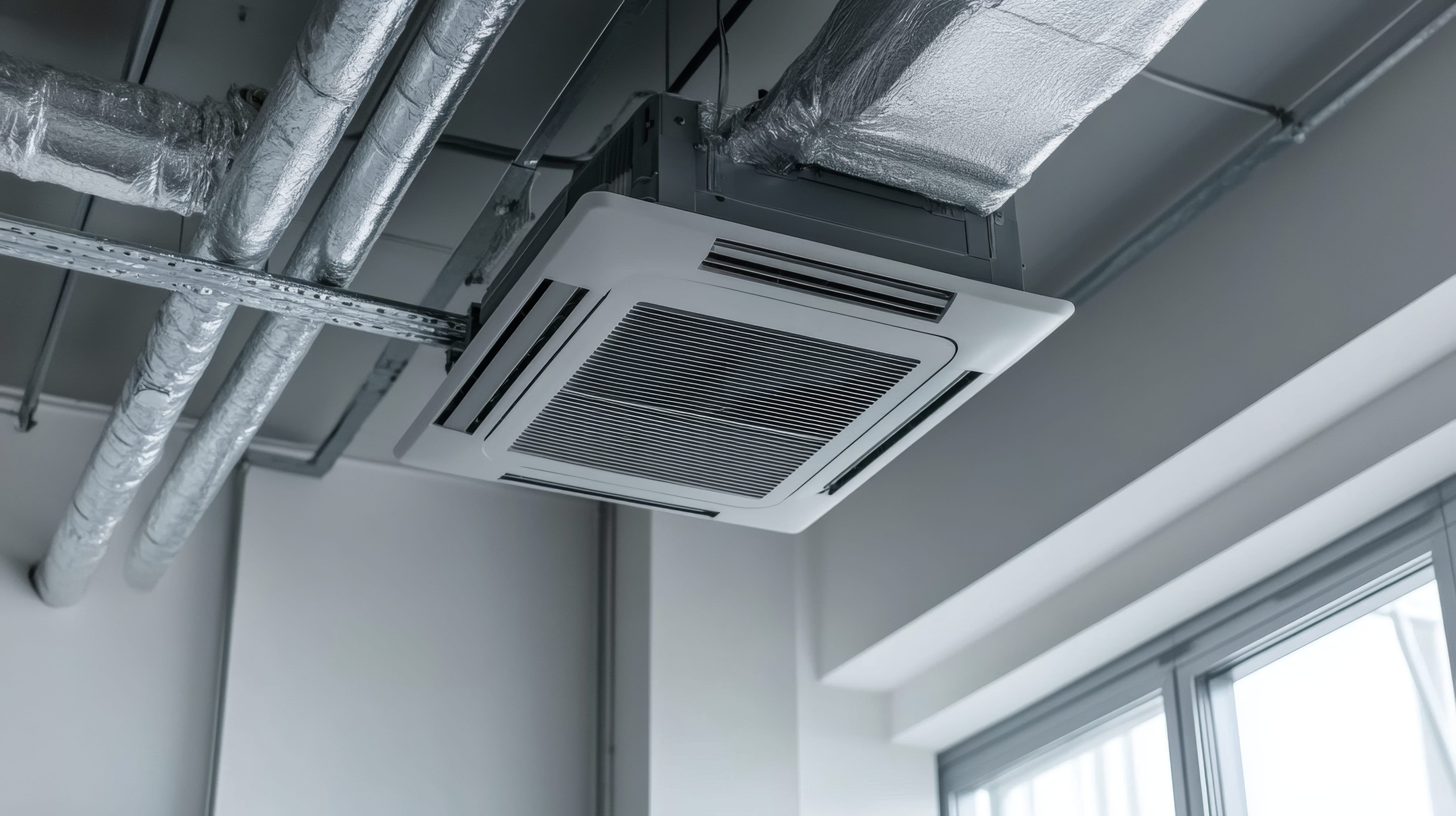
In the commercial real estate sector, office building performance is judged by tenant retention, lease rates, and operational efficiency. Central to all three is the indoor environmental quality created by heating, ventilation, and air conditioning (HVAC) infrastructure.
When a multi-story office building in West Knoxville, Downtown, or the Pellissippi Corridor suffers a major HVAC failure during peak summer humidity or a winter cold snap, the consequences ripple across the entire property. Unconditioned workspaces trigger tenant complaints, force remote work migrations, lead to rent abatement claims, and risk severe building damage from humidity spikes or frozen water lines.
Preventing unexpected mechanical outages requires a strategic approach tailored to the East Tennessee climate. By moving from reactive repairs to predictive maintenance, optimizing controls, and addressing air balance, Knoxville office building owners and facility managers can drastically cut HVAC downtime and preserve property asset values.
1. The Real Financial Impact of Office HVAC Outages
Unplanned HVAC downtime is rarely just a maintenance invoice issue—it is a direct threat to building net operating income (NOI).
+-----------------------------------------------------------------------------------+
|                   INDIRECT FINANCIAL IMPACTS OF HVAC DOWNTIME                     |
+-------------------+---------------------------------------------------------------+
| COST CATEGORY     | CONSEQUENCE OF UNRESOLVED HVAC FAILURE                        |
+-------------------+---------------------------------------------------------------+
| Tenant Productivity| Elevated indoor temperatures reduce cognitive focus and force |
| Losses            | office closures or early dismissals.                          |
+-------------------+---------------------------------------------------------------+
| Rent Abatement    | Lease agreements often allow tenants to withhold rent if      |
| Claims            | temperatures violate comfortable limits for over 24-48 hours. |
+-------------------+---------------------------------------------------------------+
| Accelerated Wear  | Emergency temporary setups strain secondary equipment and      |
| on Secondary Systems| drive up short-term utility expenses.                        |
+-------------------+---------------------------------------------------------------+
| Structural Moisture| Uncontrolled summer humidity causes drywall damage, carpet     |
| Damage            | degradation, and mold growth.                                 |
+-------------------+---------------------------------------------------------------+
For facility directors, avoiding these compounding expenses starts with understanding common failure modes. Reviewing common business HVAC problems and how to fix them helps building engineers identify subtle warning signs—like odd electrical draws or cycling compressors—before a complete system shutdown occurs.
2. Battling Knoxville’s Climate Drives HVAC Wear and Tear
Knoxville sits in a humid subtropical climate zone that puts continuous stress on commercial mechanical hardware. The regional weather profile demands high performance across both latent cooling (dehumidification) and heating cycles.
+-----------------------------------------------------------------------------------+
|                 KNOXVILLE CLIMATE FACTORS & MECHANICAL IMPACTS                    |
+-------------------+---------------------------------------------------------------+
| CLIMATE VARIABLE  | IMPACT ON COMMERCIAL OFFICE HVAC INFRASTRUCTURE               |
+-------------------+---------------------------------------------------------------+
| High Summer       | Pushes cooling coils to maximum condensation capacity;        |
| Humidity          | clogs condensate drain lines and creates indoor moisture risks.|
+-------------------+---------------------------------------------------------------+
| Spring Pollen     | Tree and grass pollen blankets rooftop units (RTUs), clogging  |
| Surges            | intake filters and outdoor condenser coils in weeks.          |
+-------------------+---------------------------------------------------------------+
| Freezing Winter   | Rapid temperature drops freeze exposed coils, cooling tower    |
| Transitions       | basin lines, and hydronic heat loops.                         |
+-------------------+---------------------------------------------------------------+
Managing these environmental variables requires an adaptable strategy. During hot summer months, latent cooling loads rise rapidly. Understanding how humidity affects your hvac system in east tennessee helps building operators optimize coil face velocities and subcooling levels to keep indoor air crisp and dry without overworking equipment.
3. Transitioning from Reactive Maintenance to Predictive Care
The most common cause of extended HVAC downtime is operating on a run-to-failure schedule. When a 50-ton rooftop unit or chiller fails unannounced on a 95°F July afternoon, lead times for replacement compressors or custom coils can take days or even weeks.
+-----------------------------------------------------------------------------------+
|               REACTIVE REPAIR VS. PREDICTIVE MAINTENANCE MODEL                    |
+-----------------------------------+-----------------------------------------------+
| REACTIVE REPAIR MODEL             | PREDICTIVE MAINTENANCE MODEL                  |
+-----------------------------------+-----------------------------------------------+
| Unscheduled outages during peak   | Planned maintenance during scheduled off-hours|
| operating hours                   |                                               |
+-----------------------------------+-----------------------------------------------+
| Premium emergency labor rates &   | Discounted contract labor & planned capital   |
| rush delivery fees                | budgeting                                     |
+-----------------------------------+-----------------------------------------------+
| High risk of tenant lease         | High tenant satisfaction and maximum retention|
| disputes                          | rates                                         |
+-----------------------------------+-----------------------------------------------+
| Shortened overall equipment       | Equipment lifecycle extended by 5 to 8+ years |
| lifespan                          |                                               |
+-----------------------------------+-----------------------------------------------+
A comprehensive preventive maintenance schedule replaces guesswork with structured inspections. Following established guidelines on how often commercial HVAC systems should be serviced in Knoxville ensures quarterly filter changes, bi-annual coil washings, and continuous electrical torque testing are performed systematically.
Furthermore, implementing advanced predictive diagnostics—such as vibration analysis on supply fan bearings, infrared thermography on electrical disconnects, and oil analysis on centrifugal compressors—allows engineers to spot component wear months before a catastrophe happens.
4. Modernizing Building Automation Systems (BAS) and Controls
Legacy office buildings with standalone pneumatic controls or uncalibrated thermostats experience frequent temperature drift and localized downtime. Upgrading to a modern, internet-connected Building Automation System (BAS) provides centralized control and remote visibility across all thermal zones.
+-----------------------------------------------------------------------+
|                BAS DOWNTIME PREVENTION ARCHITECTURE                   |
+-----------------------------------------------------------------------+
|  Continuous Telemetry Sensors (Temp / Pressure / Airflow / Amperage)   |
|                                  │                                    |
|                                  ▼                                    |
|  Centralized BAS Controller (Fault Detection & Diagnostics - FDD)     |
|                                  │                                    |
|                                  ▼                                    |
|  Automated Automated Alerts to On-Call Commercial HVAC Technicians    |
+-----------------------------------------------------------------------+
Key Benefits of BAS Fault Detection
- Automated Alarm Thresholds: Receive real-time alerts when static duct pressure drops, refrigerant pressures spike, or supply air temperatures deviate from setpoints.
- Automated Equipment Staging: Automatically rotate duty cycles between redundant pumps or lead/lag compressors to balance run-time hours across all mechanical assets.
- Remote Triage Capabilities: Allow technicians to log in remotely to diagnose sensor faults, re-index VAV (Variable Air Volume) damper positions, or adjust fan speeds before dispatching a service truck.
Investing in predictive maintenance and intelligent controls yields clear financial dividends. Evaluating is an hvac maintenance plan worth it for knoxville homeowners shows how planned maintenance saves money—a principle that scales up significantly when applied to multi-story commercial properties.
5. Optimizing Air Balance, VAV Boxes, and Indoor Air Distribution
Commercial office HVAC systems rely on complex air distribution networks. High-rise and mid-rise office buildings frequently utilize centralized rooftop air handling units (AHUs) feeding floor-by-floor VAV boxes with hot-water reheat coils.
+-----------------------------------------------------------------------------------+
|                    AIR DISTRIBUTION TROUBLESHOOTING GUIDE                         |
+-------------------+-------------------------------------+-------------------------+
| SYMPTOM           | MECHANICAL CAUSE                    | CORRECTIVE ACTION       |
+-------------------+-------------------------------------+-------------------------+
| Hot/Cold Zone     | Seized VAV damper actuator or       | Recalibrate actuator,   |
| Complaints        | failed air velocity sensor          | replace damper motor.   |
+-------------------+-------------------------------------+-------------------------+
| Excessive Duct    | Variable Frequency Drive (VFD)      | Re-tune VFD ramp rates  |
| Noise             | setpoint programmed too high        | and static pressure sensor.|
+-------------------+-------------------------------------+-------------------------+
| High Humidity In  | Negative building pressure pulling  | Rebalance intake/exhaust|
| Entrance Lobbies  | outdoor unconditioned air           | airflow CFM ratios.     |
+-------------------+-------------------------------------+-------------------------+
When VAV dampers seize or static pressure sensors drift out of calibration, entire floors can suffer from poor airflow and extreme temperature swings. Periodic air balancing testing confirms that outdoor fresh air intake matches exhaust rates, preserving neutral or slightly positive building pressurization.
6. The Role of Commercial Plumbing and Hydronic System Health
In many multi-story Knoxville office complexes, heating and cooling are distributed through hydronic loops—using boilers, chillers, cooling towers, and circulating pumps. Mechanical failures in these water-based systems instantly affect the entire facility.
+-----------------------------------------------------------------------+
|               HYDRONIC & PLUMBING MAINTENANCE CHECKLIST               |
+-----------------------------------------------------------------------+
|  [✓] Cooling Tower Basin Flushing & Biocide Water Treatment           |
|  [✓] Hydronic Circulating Pump Seal & Alignment Inspection           |
|  [✓] Expansion Tank Pressure Verification & Air Purge Valve Testing  |
|  [✓] Condensate Drain Line Cleanout & Trap Priming                    |
|  [✓] Backflow Preventer Testing & Boiler Feed Valve Checks           |
+-----------------------------------------------------------------------+
A clogged condensate drain pan on a large air handler can leak thousands of gallons of water into ceiling tiles and tenant suites below, forcing sudden office shutdowns. Facility managers must address both mechanical HVAC and domestic water infrastructure, avoiding costly commercial plumbing fails in knoxville that can interrupt business operations.
7. Capital Replacement Planning: Knowing When to Upgrade
Even the most meticulously maintained commercial HVAC system reaches the end of its operational lifespan. Central chillers, boilers, and packaged rooftop units typically serve for 15 to 20 years. Operating equipment past its useful service life dramatically increases the probability of catastrophic, unannounced downtime.
+-----------------------------------------------------------------------------------+
|               END-OF-LIFE REPLACEMENT CAPITAL PLANNING GUIDE                      |
+-----------------------------------+-----------------------------------------------+
| INDICATORS TO REPAIR              | INDICATORS TO REPLACE                         |
+-----------------------------------+-----------------------------------------------+
| Equipment is under 12 years old   | System age exceeds 15+ years                  |
+-----------------------------------+-----------------------------------------------+
| Minor localized electrical or     | Major compressor burnout or heat exchanger    |
| sensor failures                   | crack                                         |
+-----------------------------------+-----------------------------------------------+
| Uses modern R-410A or A2L         | Uses phased-out, expensive R-22 refrigerant   |
| refrigerants                      |                                               |
+-----------------------------------+-----------------------------------------------+
| Repair costs are under 25% of     | Cumulative annual repairs exceed 50% of new  |
| replacement capital               | equipment replacement value                   |
+-----------------------------------+-----------------------------------------------+
When planning capital replacements, timing is critical. Ordering long-lead equipment during shoulder seasons avoids peak-season emergency crane rentals and rush charges. Understanding the best time of year to replace your hvac system in east tennessee allows commercial property managers to execute planned replacements during mild spring or autumn weekends, eliminating tenant disruption.
Partnering for Maximum Building Reliability
Eliminating commercial HVAC downtime in Knoxville requires a combination of proactive maintenance, smart building technology, hydronic system oversight, and long-term capital planning.
By partnering with experienced local commercial mechanical contractors, office building owners can ensure their mechanical systems operate reliably year-round. Taking these steps protects tenant comfort, lowers utility costs, eliminates emergency repair headaches, and safeguards commercial property value for years to come.


