


How Often Should You Flush Your Water Heater in East Tennessee
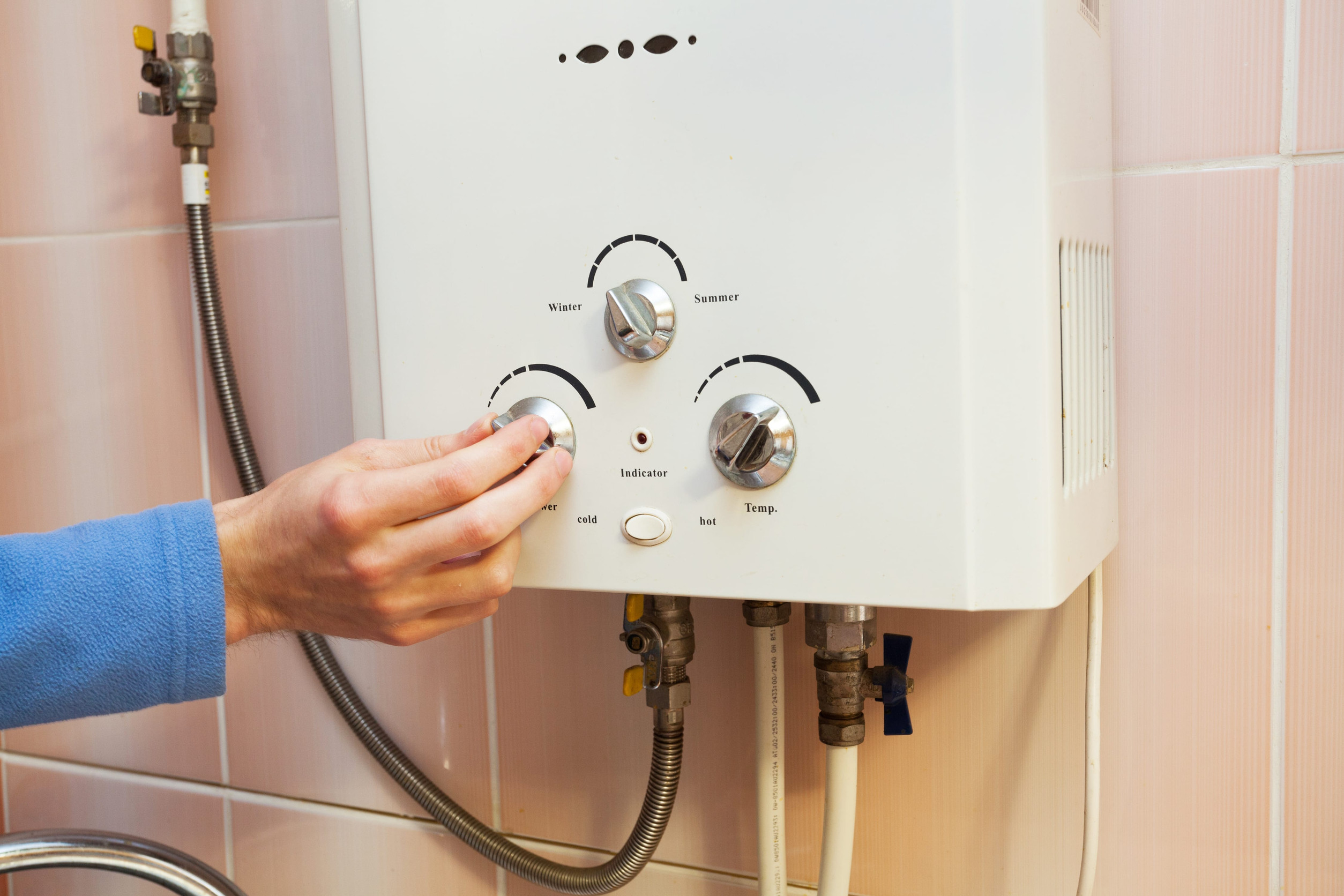
Water heaters are among the most hard-working appliances in any home, running quietly in the background to supply hot water for showers, laundry, and dishwashing. In East Tennessee, unique environmental factors, water composition, and regional usage patterns make regular water heater maintenance essential for keeping your system running reliably.
Understanding how often you should flush your water heater, why local conditions make it necessary, and how to spot early warning signs of sediment buildup can save you hundreds of dollars in energy costs and prevent unexpected breakdowns.
The Short Answer: Flushing Frequency for East Tennessee Homes
For most homes in the East Tennessee area, including Knoxville, Maryville, Oak Ridge, and surrounding communities, a traditional tank-style water heater should be flushed at least once every 12 months.
However, if your household meets any of the following criteria, you should consider flushing your water heater every 6 months:
- Your home receives water with high mineral content or noticeable hard water scale.
- You have a large household with heavy daily hot water usage.
- Your water heater is more than six years old.
- You do not have a whole-home water softener or filtration system installed.
- You hear rumbling or popping sounds coming from the tank during heating cycles.
Tankless water heaters also require regular care. Instead of a standard flush, tankless systems need a full descaling and flushing procedure once every 12 to 18 months to keep mineral scale from coating the heat exchanger.
Why East Tennessee Water Requires Frequent Flushing
The primary reason water heaters require regular flushing in East Tennessee comes down to regional geology and municipal water sources. Much of East Tennessee rests on limestone bedrock, which naturally enriches the local water supply with calcium carbonate and magnesium.
Hard Water and Mineral Precipitation
When hard water enters your water heater tank and is heated to standard operating temperatures, a natural chemical process occurs. The dissolved calcium and magnesium separate from the liquid and settle to the bottom of the tank as solid mineral sediment.
Over time, this sediment creates a thick layer of mineral sludge at the bottom of the water heater tank. In traditional gas or electric tank systems, this sediment buildup forms an insulating layer between the heat source and the water inside the tank.
The Problem with Sediment Buildup
Allowing mineral sediment to remain at the bottom of your water heater causes several compounding problems:
- Reduced Thermal Efficiency: The heating element or gas burner must burn hotter and run longer to heat the water through the thick blanket of sediment. This drives up monthly utility bills.
- Premature Tank Failure: Sediment traps intense heat against the bottom metal floor of the tank or around lower heating elements. This causes localized hotspots, stress fractures, and eventual tank corrosion that leads to catastrophic leaks.
- Reduced Hot Water Volume: A thick layer of mineral sludge can take up several gallons of space inside a 40-gallon or 50-gallon tank, leaving less actual room for hot water.
- Clogged Plumbing Lines: Small bits of hardened mineral scale can travel into your home's hot water supply pipes, clogging faucet aerators, showerhead valves, and washing machine inlet screens.
Understanding why routine tank water heater flushes are important helps homeowners protect their investment and maintain peak energy efficiency throughout the year.
Signs Your Water Heater Needs to Be Flushed Immediately
You do not always have to wait for your annual calendar reminder to tell you it is time to flush your water heater. Your plumbing system provides clear physical and auditory warning signs when sediment buildup reaches critical levels.
1. Rumbling, Popping, or Kettling Noises
If you hear unusual popping, crackling, or deep rumbling sounds coming from your water heater closet, garage, or basement, sediment is the direct cause. As water becomes trapped beneath the dense layer of mineral sludge at the bottom of the tank, it reaches its boiling point and turns into steam bubbles. As these steam bubbles force their way through the heavy sediment layer, they collapse and produce loud popping or rumbling sounds.
2. Hot Water Runs Out Quickly
If your household used to enjoy back-to-back showers without an issue, but now the hot water turns lukewarm halfway through a single shower, sediment buildup is likely taking up valuable space inside the tank. Diagnosing why your hot water runs out too quickly often points directly to heavy mineral accumulation or a failing lower heating element buried under sediment.
3. Discolored or Foul-Smelling Water
Water coming out of your hot water taps that appears cloudy, yellowish, or rusty indicates that sediment is being agitated and pulled into your supply lines. Additionally, heavy sediment creates a breeding ground for harmless but foul-smelling anaerobic bacteria, producing a rotten egg smell in your hot water supply.
4. Low Hot Water Pressure
If your cold water pressure is strong throughout the house, but your hot water taps yield only a weak stream, mineral scale may be choking the hot water outlet valve or collecting inside your home's hot water lines.
Traditional Tank vs Tankless: Maintenance Differences
The flushing process and frequency vary significantly depending on whether your home utilizes a traditional tank system or a modern on-demand tankless unit.
Traditional Storage Tank Water Heaters
A storage tank holds 30 to 80 gallons of water continuously. Flushing a tank involves turning off the power or gas supply, shutting off the cold water inlet valve, attaching a standard garden hose to the bottom drain valve, and flushing out the settled sediment until the discharge water runs completely clear.
In addition to regular flushing, maintaining a traditional water heater requires checking the internal anode rod. The anode rod is a sacrificial metal rod that attracts corrosive elements in the water to protect the tank's steel lining. Inspecting the anode rod during your annual flush ensures your tank remains fully protected against rust and internal corrosion.
Tankless Water Heaters
Tankless water heaters do not store large volumes of water, so they do not accumulate deep layers of bottom sediment like traditional tanks. However, because they flash-heat incoming water through compact internal heat exchangers, they are extremely susceptible to mineral scale buildup along their narrow copper or stainless steel tubing.
Instead of a basic gravity flush, tankless systems must be descaled using a submersible pump, short hoses, and a food-grade descaling solution or white vinegar circulated through the unit for 45 to 60 minutes. Keeping up with annual tankless maintenance prevents heating errors, ensures consistent flow rates, and protects the unit's high-tech internal components.
When comparing equipment options, evaluating tankless vs traditional water heater performance helps homeowners weigh upfront costs against long-term energy savings and maintenance demands in East Tennessee.
Step-by-Step Overview: Flushing a Traditional Water Heater
While many homeowners choose to leave plumbing maintenance to licensed professionals, understanding the basic steps of a water heater flush helps you evaluate your system's condition.
Safety First
Always disconnect the power source before starting any maintenance work. For electric water heaters, switch off the dedicated circuit breaker in your main electrical panel. For gas water heaters, turn the thermostat knob on the gas control valve to the "Pilot" or "Off" position. Flushing a water heater while the heating elements or gas burners are active can destroy the heating elements instantly if the tank empties.
The Basic Flush Sequence
- Shut off the cold water supply valve located at the top of the water heater.
- Attach a heavy-duty garden hose to the brass drain valve at the bottom of the tank, routing the opposite end of the hose to a floor drain, driveway, or outdoors.
- Open a hot water faucet at a nearby sink to release vacuum pressure and allow water to flow freely.
- Carefully open the bottom drain valve to let the sediment-laden water drain out.
- Once the tank is empty, briefly open the cold water supply valve in short bursts to agitate and flush out any remaining stubborn sediment settled on the tank floor.
- Close the drain valve, disconnect the hose, reopen the cold water supply, and let the tank fill completely before restoring gas or electrical power.
If your water heater's drain valve is made of plastic or has not been opened in many years, it may leak or snap when turned. Having a professional handle the flush ensures worn valves are replaced safely without risking water damage in your home.
Checking overall home plumbing health alongside annual appliance care protects your entire waste and supply network. Reviewing how often you should inspect your plumbing provides a clear timeline for checking shut-off valves, water pressure levels, and drain lines.
How Sediment Buildup Increases Energy Costs
A water heater with a heavy layer of sediment does not just risk breaking down; it continuously drains your household budget month after month.
Hard Water Minerals Enter Tank
  -> Minerals Settle to Tank Floor
    -> Sediment Layer Insulates Heating Elements
      -> System Runs Longer to Reach Target Temp
        -> Monthly Utility Bills Increase
According to studies on residential energy use, just a one-quarter-inch layer of mineral scale along the bottom of a water heater can increase the energy required to heat water by up to 25 percent. In a typical East Tennessee home, this inefficiency can add significant extra dollars to your annual utility costs.
By keeping the heating surfaces clean through regular flushing, your water heater transfers heat directly into the water without fighting through an insulating blanket of stone, keeping your operating costs as low as possible.
Protecting Your Plumbing Investment
In addition to regular annual flushing, homeowners in East Tennessee can take several proactive steps to minimize mineral scale and extend the life of their water heating systems:
- Install a Whole-Home Water Softener: Water softeners remove calcium and magnesium ions before water enters your plumbing system, virtually eliminating scale buildup inside your water heater, showerheads, and appliances.
- Keep Temperature Settings Reasonable: Set your water heater thermostat to 120 degrees Fahrenheit. Higher temperatures accelerate the rate at which minerals separate from the water, increasing scale formation inside the tank.
- Test Your Pressure Reducing Valve (PRV): Excessive water pressure puts added stress on your water heater tank seams and expansion tank. Maintaining indoor water pressure between 50 and 65 PSI extends the life of all household plumbing fixtures.
Enrolling in a preventive maintenance agreement provides automatic annual checkups, safety checks, and professional care for all your home's essential systems. Joining a dedicated plumbing service plan ensures your water heater is flushed regularly, inspected for hidden corrosion, and maintained for maximum efficiency without you having to track calendar dates yourself.
Schedule Your Annual Water Heater Service Today
Flushing your water heater once a year is one of the easiest and most cost-effective ways to ensure reliable hot water, keep utility bills manageable, and prevent sudden, disastrous tank failures. Given East Tennessee's mineral-rich water supply, staying proactive with water heater care is essential for every homeowner.
If your water heater is overdue for a flush, making strange rumbling noises, or struggling to supply enough hot water for your family, contact a licensed, local plumbing professional to perform a complete system flush and safety inspection today.


