


Tankless vs Traditional Water Heater: Which Is Best for Knoxville Homes
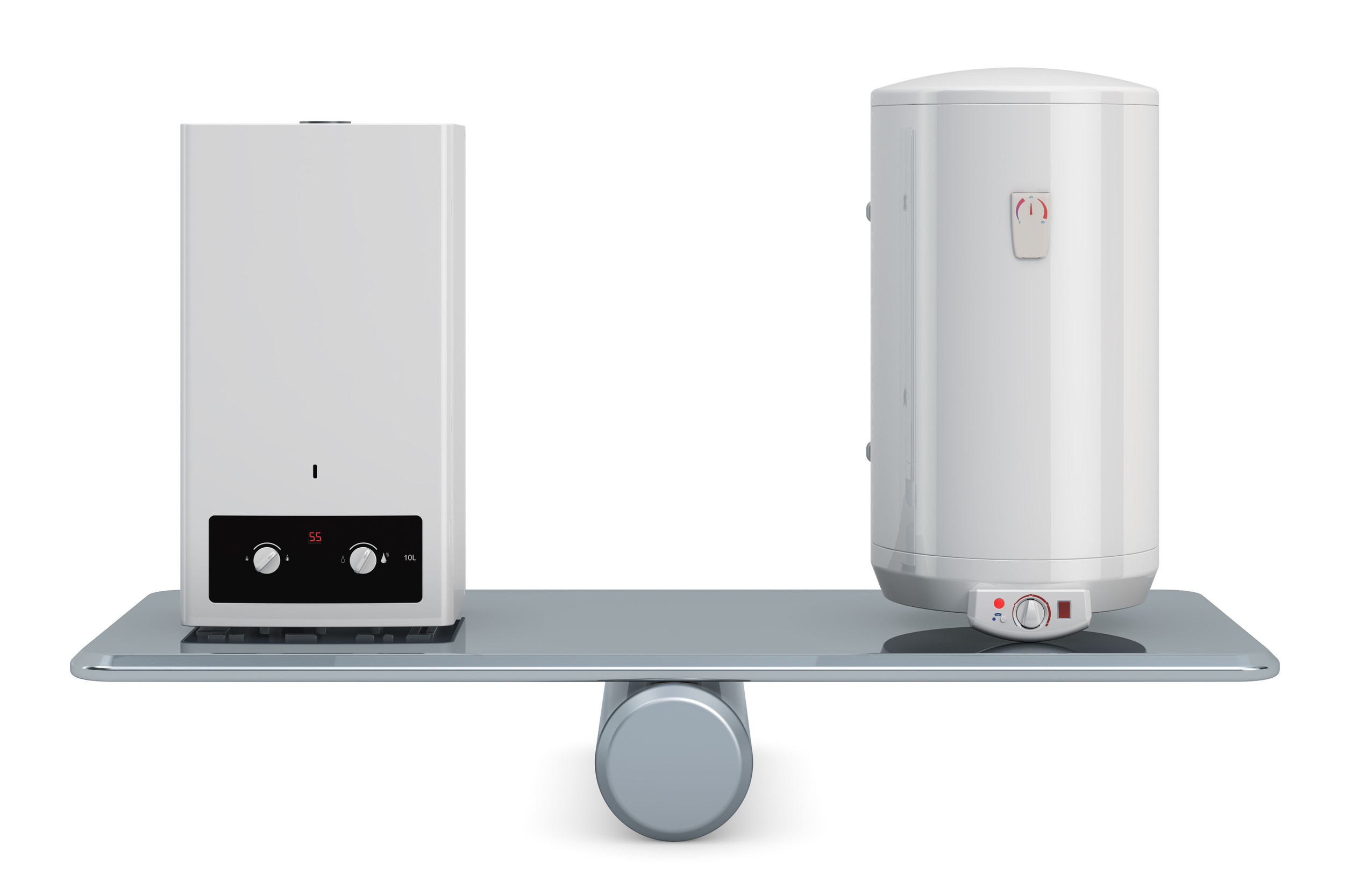
Choosing between a tankless and traditional water heater impacts your daily comfort, energy bills, and long-term home maintenance. The right system depends heavily on your household’s hot water demand, utility setup, and physical space constraints.
Understanding the Core Technologies
To make an informed decision for your East Tennessee home, you first need to understand how each system generates and delivers hot water to your faucets.
Traditional Tank Water Heaters
A storage water heater operates on a simple, time-tested principle. The unit fills with cold water from your main supply, uses gas burners or electric elements to heat the water to a set temperature (usually 120 degrees Fahrenheit), and holds it there until you open a hot water tap. As hot water exits the top of the tank, cold water enters the bottom through a dip tube to be heated.
Because the tank must maintain the water temperature 24/7, it experiences "standby heat loss." The system will periodically turn on to reheat the stored water even when you are asleep or at work, consuming energy to keep the reservoir ready for use.
Tankless (On-Demand) Water Heaters
Tankless systems eliminate the storage tank entirely. When you turn on a hot water tap, cold water travels through a pipe into the unit, where a gas burner or high-powered electric element rapidly heats the water as it flows by.
This on-demand approach means you do not pay to keep a 50-gallon tank hot all day. However, it also means the unit must be powerful enough to heat water instantly from its cold incoming temperature to your desired output temperature, all while keeping up with the volume of water you are requesting.
Performance and Hot Water Capacity
The biggest difference you will notice on a daily basis is how each system handles peak demand.
The Tank Exhaustion Problem
If you have a large family taking back-to-back showers in the morning while running the dishwasher, a traditional tank can run out of hot water. Once the 40 or 50 gallons of stored hot water are depleted, you must wait for the unit to recover—which can take anywhere from 30 to 60 minutes depending on the fuel source. If your household frequently experiences cold showers, diagnosing why your hot water runs out too quickly often points to an undersized tank, aging heating elements, or a broken dip tube.
The Flow Rate Challenge
Tankless water heaters provide a continuous, endless supply of hot water—but they are limited by their flow rate, measured in gallons per minute (GPM). In Knoxville, groundwater temperatures drop significantly during the winter months. When incoming water is cold, a tankless unit has to work much harder to achieve the necessary "temperature rise."
If a tankless unit is undersized and you attempt to run two showers and a washing machine simultaneously, the heater may not be able to process the water fast enough. Instead of running out of hot water, you will experience a drop in water pressure or lukewarm temperatures as the system restricts flow to ensure the water reaches the target temperature. Sizing a tankless unit correctly based on your peak simultaneous usage is critical for satisfaction.
Space, Venting, and Installation Considerations
Upgrading from one type of water heater to another is rarely a simple swap. Knoxville homes—ranging from historic properties in Sequoyah Hills to new builds in Hardin Valley—present different spatial and infrastructure challenges.
Physical Footprint
Traditional tanks require a significant amount of floor space in a garage, basement, utility closet, or crawlspace. They also hold hundreds of pounds of water, requiring a structurally sound floor.
Tankless units are roughly the size of a carry-on suitcase and are mounted directly to the wall. This frees up valuable square footage, making them ideal for smaller homes, condos, or homeowners looking to reclaim utility space.
Venting and Combustion Air
Gas-powered water heaters require proper venting to safely exhaust combustion byproducts out of your home. Traditional gas tanks typically use atmospheric venting, relying on natural drafting to pull exhaust up and out through a chimney or roof vent.
Tankless gas units operate with higher BTU burners and require dedicated, specialized venting. Many modern tankless units utilize direct-vent systems that pull in outdoor air for combustion and push exhaust outside through a side wall. Upgrading to a tankless system often involves drilling new ventilation holes and capping old roof vents. Understanding why your water heater needs to breathe is crucial, as improper ventilation can lead to dangerous carbon monoxide buildup, poor burner operation, and system failure.
Infrastructure Upgrades
Swapping an electric tank for an electric tankless unit often requires a massive electrical panel upgrade. Electric tankless heaters draw a tremendous amount of amperage to flash-heat water, sometimes requiring three or four dedicated 40-amp breakers.
Similarly, replacing a gas tank with a gas tankless unit usually requires upgrading the gas supply line. A standard tank might run on a 1/2-inch gas line, but the high-BTU burners in a tankless unit frequently require a 3/4-inch line to deliver sufficient fuel. These infrastructure upgrades add significantly to the initial installation cost.
Upfront Costs vs. Long-Term ROI
When deciding between the two systems, homeowners must weigh the immediate out-of-pocket expense against long-term operational savings.
Traditional Tank Costs
A traditional tank water heater remains the most budget-friendly option upfront. The equipment itself is relatively inexpensive, and if you are replacing like-for-like (gas tank for gas tank, or electric for electric), the installation labor is straightforward.
Tankless Retrofit Costs
Installing a tankless water heater is a premium investment. The equipment costs more, and the necessary modifications to venting, gas lines, or electrical panels can make the initial installation two to three times more expensive than a traditional tank replacement.
The Return on Investment
The higher upfront cost of a tankless unit is offset over time by energy savings and longevity. Because tankless units do not suffer from standby heat loss, they are generally 24% to 34% more energy-efficient than conventional storage-tank water heaters for homes that use 41 gallons or less of hot water daily. Over a 20-year lifespan, a tankless unit can save a Knoxville homeowner thousands of dollars on KUB utility bills, fully recovering the initial premium.
Lifespan, Hard Water, and Maintenance Needs
No matter which system you choose, water quality in East Tennessee will impact its performance and lifespan. The region is known for moderately hard water containing calcium and magnesium, which drastically affects plumbing infrastructure.
The Impact of Sediment in Tank Systems
In a traditional water heater, hard water minerals separate during the heating process and settle at the bottom of the tank. Over time, this sediment builds a thick, rock-like layer that separates the water from the heating element. This forces the unit to work harder, increasing energy consumption, reducing water capacity, and eventually causing the steel tank to overheat and rupture.
This dynamic is exactly why routine tank water heater flushes are important. Draining the tank annually or semi-annually removes this sediment, restoring efficiency and preventing premature failure. A well-maintained tank water heater typically lasts 8 to 12 years before requiring replacement.
Scaling in Tankless Systems
Tankless water heaters do not have a storage tank to collect sediment, but they are incredibly vulnerable to mineral scale buildup inside their narrow heat exchangers. If scale accumulates, it restricts water flow, causes the unit to overheat, and triggers error codes that shut the system down.
To achieve their 15 to 20-year lifespan, tankless units must be flushed annually using a specialized descaling pump and white vinegar solution. Because both systems require rigorous upkeep, many Knoxville homeowners rely on a professional plumbing service plan to ensure annual maintenance is never forgotten.
Understanding how often you should inspect your plumbing and keeping up with regular water heater care will prevent unexpected breakdowns and extend the operational life of whichever system you choose.
Making the Right Choice for Your Knoxville Home
There is no universal "best" water heater—the right choice depends entirely on your home's infrastructure, your family's habits, and your budget.
Choose a Traditional Tank Water Heater If:
- You are on a strict budget: The upfront replacement costs are significantly lower.
- You want a quick, easy replacement: Swapping out an old tank for a new one is a fast, straightforward job with minimal infrastructure changes.
- Your home is fully electric: Upgrading to an electric tankless system often requires expensive and disruptive electrical panel upgrades that negate the energy savings.
- You have simultaneous high-demand needs: A large, properly sized tank can handle multiple showers and appliances running at the exact same time without dropping water pressure.
Choose a Tankless Water Heater If:
- You want endless hot water: If you frequently run out of hot water with a large family, a properly sized tankless unit will ensure the last person to shower gets water just as hot as the first.
- You want long-term savings: The elimination of standby heat loss provides excellent month-over-month utility savings.
- You plan to stay in your home long-term: With a lifespan of up to 20 years, a tankless unit will long outlast a standard tank, maximizing your return on investment.
- You need to save space: Wall-mounting a tankless unit frees up valuable square footage in basements, garages, and utility closets.
- You already have robust gas infrastructure: If your home already has an appropriately sized gas line and suitable venting routes, the retrofit cost drops significantly.
Upgrading your home’s hot water system is a major decision that impacts daily comfort and long-term property value. Before making a purchase, have a licensed Knoxville plumbing professional evaluate your existing electrical capacity, gas line diameter, and ventilation pathways to determine exactly what it will take to install the system you want safely and up to local building codes.


