


HVAC Compliance Requirements for Knoxville Commercial Properties
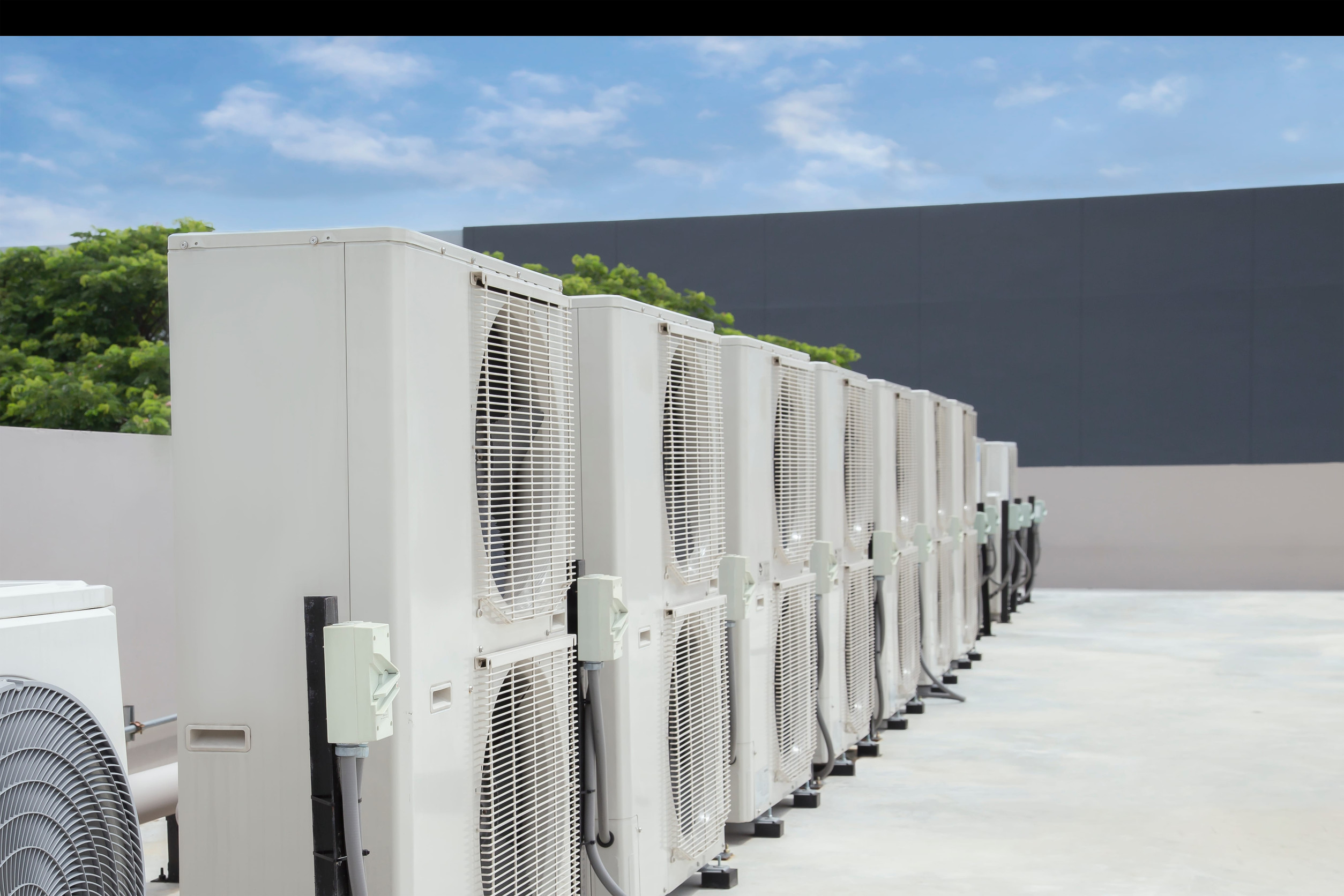
For commercial property owners, real estate developers, facility directors, and property managers in Knoxville, Tennessee, keeping a building’s mechanical infrastructure compliant is a multifaceted responsibility. Heating, Ventilation, and Air Conditioning (HVAC) systems are far more than tools for daily climate control—they are heavily regulated life-safety, environmental, and energy assets.
A commercial HVAC non-compliance issue can lead to failed municipal inspections, delayed Certificates of Occupancy (CO), costly stop-work orders, steep Environmental Protection Agency (EPA) fines, or even tenant rent-abatement lawsuits. Navigating the regulatory landscape requires a clear understanding of local City of Knoxville municipal codes, Knox County building requirements, state-level regulations, and federal mandates.
This comprehensive guide breaks down the core compliance frameworks every commercial building operator in Knoxville must follow to keep their properties legal, efficient, and safe.
1. Local Municipal Codes and International Code Council Standards
The City of Knoxville Plans Review and Inspections Department, alongside Knox County Building Operations, enforces specific technical building codes that govern how commercial mechanical equipment must be engineered, installed, altered, and maintained. Knoxville periodically adopts updated editions of the International Code Council (ICC) model codes with local amendments.
+-----------------------------------------------------------------------------------+
|               PRIMARY COMMERCIAL HVAC CODE FRAMEWORK IN KNOXVILLE                 |
+-------------------+---------------------------------------------------------------+
| APPLICABLE CODE   | CORE COMPLIANCE FOCUS & REQUIREMENTS                          |
+-------------------+---------------------------------------------------------------+
| International     | Ductwork design, exhaust systems, combustion air, pressure    |
| Mechanical Code   | relief, equipment clearances, and condensate disposal safety. |
| (IMC)             |                                                               |
+-------------------+---------------------------------------------------------------+
| International     | Minimum insulation R-values for air ducts, economizer logic,   |
| Energy Conservation| automated programmable controls, and baseline equipment SEER2/|
| Code (IECC)       | IEER efficiency benchmarks.                                   |
+-------------------+---------------------------------------------------------------+
| International     | Structural integrity, roof load capacity for heavy packaged   |
| Building Code     | Rooftop Units (RTUs), structural curb attachments, and life-  |
| (IBC)             | safety egress pathways.                                       |
+-------------------+---------------------------------------------------------------+
| NFPA 90A / 96     | Fire dampers, smoke detectors in ductwork, grease hood        |
| Standards         | exhaust systems, and makeup air unit (MAU) interlocks.        |
+-------------------+---------------------------------------------------------------+
Key Mechanical Code Requirements
Under the International Mechanical Code (IMC), commercial systems must adhere to strict installation protocols:
- Condensate Management (IMC Section 307): Commercial air handlers produce large volumes of condensation during Knoxville’s humid summer months. The code mandates primary and secondary condensate drain lines, auxiliary drain pans equipped with automatic shut-off switches (float switches), and indirect discharge into municipal storm or sewer connections.
- Combustion Air & Venting: Gas-fired commercial furnaces and rooftop units must have adequate outdoor combustion air intake to ensure complete fuel burning and prevent dangerous carbon monoxide buildup inside mechanical rooms.
- Equipment Access & Clearances: Rooftop units must have a clear, unobstructed path of access, including permanent roof hatches or exterior ladders for roofs higher than 16 feet, alongside a minimum 30-inch working clearance around electrical and gas components.
Understanding common business HVAC problems and how to fix them helps building engineers address mechanical red flags early, avoiding sudden code violations during routine city inspections.
2. Ventilation and Indoor Air Quality Compliance (ASHRAE Standards)
Ventilation requirements for Knoxville commercial properties are designed to protect indoor air quality (IAQ) and human health. The City of Knoxville enforces ventilation mandates based on ASHRAE Standard 62.1 (Ventilation for Acceptable Indoor Air Quality).
+-----------------------------------------------------------------------------------+
|               ASHRAE 62.1 VENTILATION CFM REQUIREMENTS BY BUILDING TYPE           |
+-------------------+---------------------------+-----------------------------------+
| OCCUPANCY TYPE    | OUTDOOR AIR RATE (CFM/PERSON)| OUTDOOR AIR RATE (CFM/SQ FT)    |
+-------------------+---------------------------+-----------------------------------+
| Commercial Office | 5 CFM per person          | 0.06 CFM per sq. ft.              |
| Space             |                           |                                   |
+-------------------+---------------------------+-----------------------------------+
| Retail & Shopping | 7.5 CFM per person        | 0.12 CFM per sq. ft.              |
| Centers           |                           |                                   |
+-------------------+---------------------------+-----------------------------------+
| Restaurant Dining | 7.5 CFM per person        | 0.18 CFM per sq. ft.              |
| Areas             |                           |                                   |
+-------------------+---------------------------+-----------------------------------+
| High-Density      | 5 CFM per person          | 0.06 CFM per sq. ft.              |
| Classrooms        |                           |                                   |
+-------------------+---------------------------+-----------------------------------+
Outdoor Air Fraction Calculations
Commercial air handling units (AHUs) cannot simply recirculate indoor air indefinitely. Mechanical systems must continuously pull in a precise percentage of conditioned outdoor air based on occupancy limits and building square footage.
Failure to meet fresh air CFM (Cubic Feet per Minute) baselines causes "Sick Building Syndrome," leading to carbon dioxide ($CO_2$) accumulation, mold growth, and high worker absenteeism.
Humidity Control Standards in East Tennessee
Knoxville's climate brings high summer relative humidity. ASHRAE standards recommend keeping commercial indoor relative humidity below 60% (ideally between 40% and 50%) to prevent microbial growth and structural deterioration.
+-----------------------------------------------------------------------+
|                 CASCADING RISKS OF HUMIDITY NON-COMPLIANCE            |
+-----------------------------------------------------------------------+
|  Elevated Indoor Humidity (> 65% RH)                                  |
|     │                                                                 |
|     ├──► Mold & Spore Proliferation in Supply Ductwork                |
|     │                                                                 |
|     ├──► Softening Ceiling Tiles & Drywall Structural Damage          |
|     │                                                                 |
|     ├──► OSHA Air Quality Complaints & Tenant Abatement Claims        |
|     │                                                                 |
|     └──► Costly Facility Remediation & Duct Replacement Projects       |
+-----------------------------------------------------------------------+
Reviewing how humidity affects your hvac system in east tennessee highlights why dedicated outdoor air systems (DOAS) and moisture control strategies are vital for regulatory compliance.
3. Federal EPA Regulations and Refrigerant Transitions
Federal environmental regulations enforced by the U.S. Environmental Protection Agency (EPA) under Section 608 of the Clean Air Act apply directly to commercial mechanical operations in Knoxville.
+-----------------------------------------------------------------------------------+
|                   EPA SECTION 608 COMPLIANCE TIMELINE & REFRIGERANTS              |
+-------------------+-----------------------------------+---------------------------+
| REFRIGERANT TYPE  | REGULATORY STATUS                 | APPLICABLE COMPLIANCE RULES|
+-------------------+-----------------------------------+---------------------------+
| R-22 (HCFC)       | Fully Phased Out (2020). Production| Strict leak rate limits;  |
|                   | & import banned; recycled only.  | mandatory recovery logs.  |
+-------------------+-----------------------------------+---------------------------+
| R-410A (HFC)      | Phase-down active under AIM Act   | Mandatory leak repair;    |
|                   | (85% reduction by 2036).          | certified technicians.    |
+-------------------+-----------------------------------+---------------------------+
| Next-Gen (A2L)    | New standard for modern equipment| Specialized handling,     |
| R-454B / R-32     | (low Global Warming Potential).   | leak detection sensors.   |
+-------------------+-----------------------------------+---------------------------+
Mandatory Leak Rate Thresholds
Commercial properties operating systems with a full charge of 50 pounds or more of refrigerant (such as large chillers, rooftop packaged units, or VRF systems) must follow strict EPA leak-inspection mandates:
- Commercial Refrigeration Systems: Must be repaired if the annual leak rate exceeds 20%.
- Comfort Cooling Systems: Must be repaired if the annual leak rate exceeds 10%.
- Industrial Process Cooling: Must be repaired if the annual leak rate exceeds 30%.
When a leak exceeds these thresholds, the building owner has 30 days to conduct a certified leak repair and perform a successful initial verification test. Facility managers must keep detailed service records, technician certification numbers, and refrigerant recovery logs on file for a minimum of 3 years.
4. Energy Efficiency and Building Code Standards (ASHRAE 90.1 & IECC)
Knoxville commercial properties must comply with strict energy conservation measures. New construction projects, major building alterations, and mechanical equipment replacements trigger compliance reviews under ASHRAE Standard 90.1 and the International Energy Conservation Code (IECC).
+-----------------------------------------------------------------------+
|                 COMMERCIAL ENERGY EFFICIENCY MANDATES                 |
+-----------------------------------------------------------------------+
|  [1] Minimum Efficiency Ratings (SEER2, IEER, COP, and EER benchmarks) |
|  [2] Economizer Mandates (Free cooling utilizing outdoor air)         |
|  [3] Programmable / BAS Controls (Night setback & setback scheduling) |
|  [4] Pipe & Duct Insulation (Minimum R-6 to R-8 insulation values)    |
+-----------------------------------------------------------------------+
Economizer Mandates
In Knoxville’s climate zone (Climate Zone 4A), commercial air handling units over a certain cooling capacity (typically 54,000 Btu/h or 4.5 tons) must be equipped with an air economizer. Economizers automatically open outdoor air dampers when spring or autumn temperatures drop, providing "free cooling" without running energy-intensive mechanical compressors.
When replacing aging units, staying ahead of these standards is important. Reviewing the average cost of hvac replacement in knoxville tn helps commercial asset managers budget for code-compliant, high-efficiency equipment upgrades.
5. Permitting, Inspections, and the Licensing Framework in Knoxville
Performing commercial HVAC work in Knoxville without proper municipal permits is a direct violation of municipal law. It can invalidate property insurance policies, halt property sales during due diligence, and trigger immediate stop-work orders.
+-----------------------------------------------------------------------------------+
|               KNOXVILLE COMMERCIAL HVAC PERMIT & INSPECTION FLOW                  |
+-----------------------------------------------------------------------------------+
| 1. Permit Application Submittal (Mechanical plans, load calculations, specs)      |
|                                         │                                         |
|                                         ▼                                         |
| 2. Municipal Plan Review (City Plans Review Department approves drawing)          |
|                                         │                                         |
|                                         ▼                                         |
| 3. Mechanical Installation (Work executed by licensed CMC contractor)            |
|                                         │                                         |
|                                         ▼                                         |
| 4. Rough-In Inspection (Ductwork, fire dampers, gas piping, and condensate lines) |
|                                         │                                         |
|                                         ▼                                         |
| 5. Final Mechanical Inspection (System operational, controls verified, CO issued) |
+-----------------------------------------------------------------------------------+
Contractor Licensing Requirements
Under Tennessee state law (TCA Title 62, Chapter 6), any commercial mechanical project valued at $25,000 or more must be performed by a state-licensed Mechanical Contractor holding a CMC (Mechanical Combination) or CMC-A (HVAC) license classification.
Working with properly credentialed experts prevents costly project delays. Knowing how to choose an hvac contractor for your business ensures your mechanical partner carries the required state licensing, commercial liability coverage, and local bonding.
6. Life Safety, Fire Protection, and OSHA Standards
Commercial HVAC systems tie directly into a building’s life-safety and fire-protection infrastructure. During a structural fire, ductwork can inadvertently carry smoke and flame across building fire walls if protective equipment fails.
+-----------------------------------------------------------------------------------+
|                  LIFE-SAFETY HVAC INTEGRATION COMPLIANCE                          |
+-------------------+---------------------------------------------------------------+
| SYSTEM COMPONENT  | MANDATED COMPLIANCE FUNCTION & TESTING                        |
+-------------------+---------------------------------------------------------------+
| Duct Smoke        | Installed in supply/return ducts (> 2,000 CFM); automatically |
| Detectors         | shuts down supply fans upon smoke detection.                  |
+-------------------+---------------------------------------------------------------+
| Fire & Smoke      | Installed where ductwork penetrates fire-rated walls/floors;  |
| Dampers           | spring-closed via fusible links or motor actuators.           |
+-------------------+---------------------------------------------------------------+
| Kitchen Exhaust   | Built to NFPA 96 standards; liquid-tight welded ductwork with  |
| Hoods (Type I)    | integrated fire suppression systems.                          |
+-------------------+---------------------------------------------------------------+
| OSHA Rooftop      | Parapet walls or guardrails (42-inch height) or tie-off points|
| Fall Protection   | for technicians working within 10 feet of a roof edge.        |
+-------------------+---------------------------------------------------------------+
Regular inspection and testing of fire and smoke dampers are required under NFPA 80 and NFPA 105 guidelines. Dampers must be tested one year after installation and every 4 years thereafter in standard commercial buildings (every 6 years in healthcare facilities).
7. How Preventive Maintenance Protects Commercial Compliance
Maintaining HVAC compliance is an ongoing operational commitment rather than a one-time project. The most reliable way for Knoxville commercial property owners to stay compliant is through a structured Preventive Maintenance Agreement (PMA).
+-----------------------------------------------------------------------------------+
|               ANNUAL COMPLIANCE & MAINTENANCE CALENDAR                            |
+-------------------+---------------------------------------------------------------+
| FREQUENCY         | REQUIRED COMPLIANCE CHECKPOINTS                               |
+-------------------+---------------------------------------------------------------+
| Quarterly         | • Replace MERV-rated filters to maintain ASHRAE 62.1 airflow. |
|                   | • Clean condensate pans & treat lines to meet IMC 307.        |
|                   | • Check belt tensions & measure motor amp draws.              |
+-------------------+---------------------------------------------------------------+
| Semi-Annually     | • Inspect gas burners, heat exchangers & ignition assemblies. |
| (Spring & Fall)   | • Wash outdoor condenser coils to maintain IECC efficiency.   |
|                   | • Check refrigerant subcooling/superheat; test for leaks.     |
+-------------------+---------------------------------------------------------------+
| Annually          | • Test duct smoke detectors and fan shutdown interlocks.       |
|                   | • Calibrate economizer dampers and outdoor air sensors.       |
|                   | • Complete EPA refrigerant tracking and logbook audits.       |
+-------------------+---------------------------------------------------------------+
Routine maintenance catches minor issues—like failing safety float switches or blocked economizer dampers—before they cause building damage or code non-compliance. Evaluating whether is an hvac maintenance plan worth it for knoxville homeowners shows how planned servicing protects mechanical investments—a strategy that is essential for commercial real estate properties.
Planning mechanical retrofits during shoulder seasons also ensures code compliance without operational stress. Reviewing the best time of year to replace your hvac system in east tennessee helps property managers align mechanical upgrades with ideal weather windows.
Protecting Your Commercial Property Asset
Navigating HVAC compliance in Knoxville requires attention to building codes, environmental laws, life-safety mandates, and energy regulations. By establishing proactive maintenance protocols, keeping organized service records, and partnering with qualified commercial mechanical contractors, property owners can keep their facilities safe, energy-efficient, and fully compliant for years to come.


