


Rooftop Unit Replacement vs Repair: What Knoxville Businesses Should Know
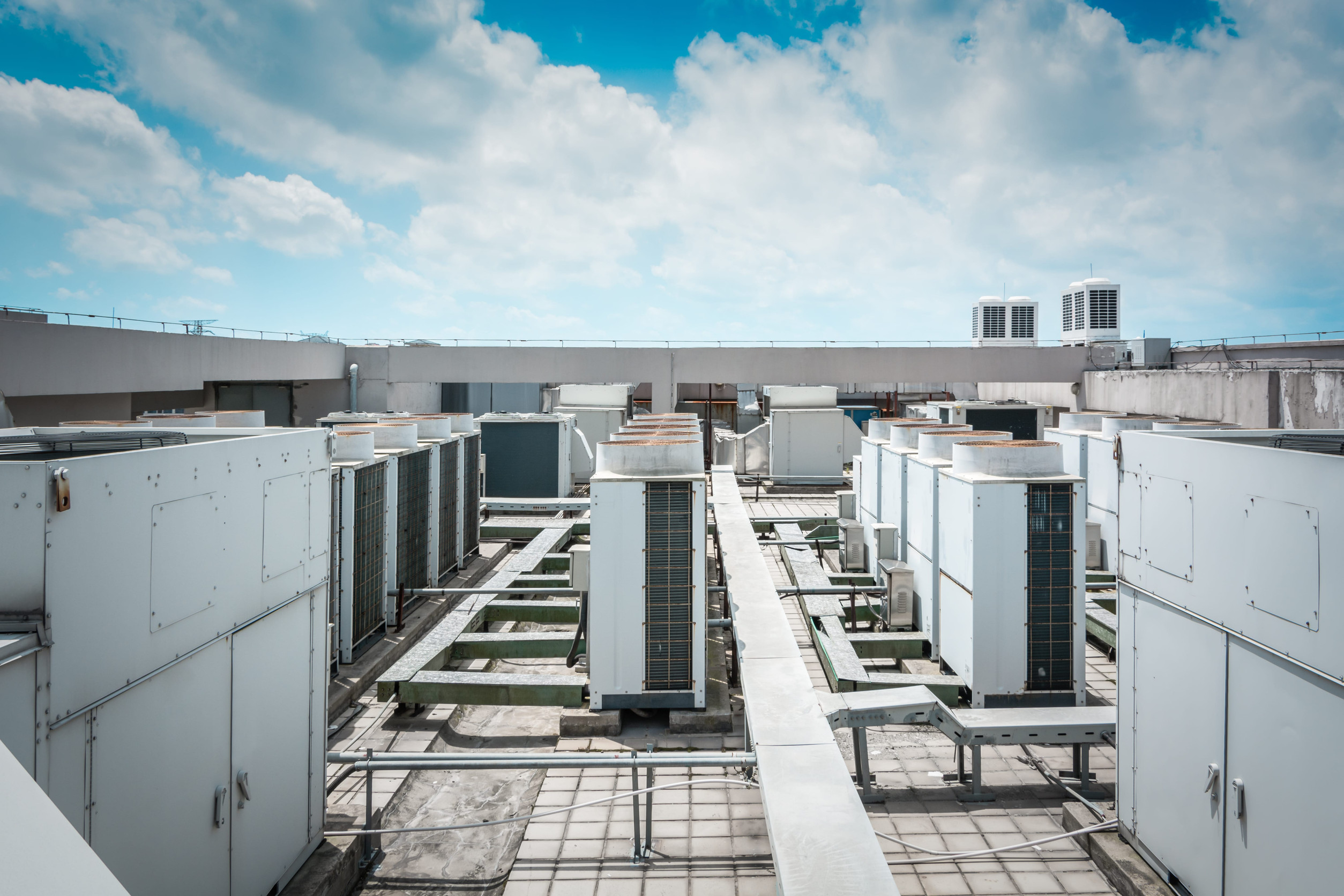
For commercial property owners, facility directors, and asset managers across Knoxville, maintaining an efficient heating, ventilation, and air conditioning (HVAC) system is essential to daily operations. Among the various mechanical configurations used in commercial real estate, the packaged Rooftop Unit (RTU) is the undeniable workhorse. From strip malls along Kingston Pike and medical offices near Parkwest to industrial distribution centers in East Knoxville and dining establishments in the Old City, RTUs quietly regulate indoor air quality, thermal comfort, and humidity levels.
However, every commercial mechanical system eventually reaches a critical operational crossroads: Should you continue repairing an aging rooftop unit, or is it time to invest in a complete equipment replacement?
Making the wrong choice can lead to recurring emergency service calls, skyrocketing utility bills, unexpected business closures, and wasted capital. This comprehensive guide walks Knoxville business decision-makers through the financial, operational, and technical factors needed to make the right choice between RTU repair and replacement.
1. Understanding the Role of Rooftop Units in Commercial Buildings
Commercial packaged rooftop units integrate all heating and cooling components into a single weatherized cabinet mounted directly on a building’s roof structure. A standard commercial RTU typically houses:
- Cooling Infrastructure: Compressors, evaporator coils, expansion valves, and outdoor condenser coils.
- Heating Components: Natural gas burners and heat exchangers, electric resistance heating elements, or reverse-cycle heat pump valves.
- Air Moving Systems: High-capacity supply fans, belt-driven blower motors, return air fans, and variable speed drives (VFDs).
- Ventilation & Economizers: Motorized fresh air dampers that adjust ventilation rates based on indoor air quality or outside ambient conditions.
+-----------------------------------------------------------------------------------+
|                        TYPICAL RTU COMPONENT LAYOUT                               |
+-----------------------------------------------------------------------------------------------+
|  [ FRESH AIR INTAKE ]  -->  [ FILTERS ]  -->  [ EVAPORATOR COIL ]  -->  [ SUPPLY BLOWER ] |
|                                                    │                           │              |
|                                                    ▼                           ▼              |
|  [ EXHAUST DAMPER ]    <--  [ RETURN AIR ] <-- [ CONDENSER COIL ] <-- [ DUAL COMPRESSORS ]   |
+-----------------------------------------------------------------------------------------------+
Because RTUs are housed outdoors on rooftops, they save valuable indoor floor space and keep loud compressor noise away from offices and retail floors. However, this rooftop location exposes them directly to East Tennessee’s harsh outdoor weather—making proactive decision-making around repair versus replacement vital to property performance.
2. The Decision Framework: Repair vs. Replace Rules of Thumb
When an RTU malfunctions, commercial facility managers must evaluate the failure using structured decision frameworks rather than emotional impulse or immediate cost anxiety. HVAC industry professionals rely on several proven evaluation rules to guide this choice.
+-----------------------------------------------------------------------------------+
|                       RTU DECISION FRAMEWORK COMPARISON                           |
+-------------------+-----------------------------------+---------------------------+
| DECISION RULE     | HOW THE FORMULA WORKS             | ACTION THRESHOLD          |
+-------------------+-----------------------------------+---------------------------+
| The 50% Rule      | Repair Cost ÷ Replacement Cost    | If > 50%, Replace.        |
+-------------------+-----------------------------------+---------------------------+
| The $5,000 / Age  | Age of Unit (Years) × Estimated   | If > $5,000, Replace.     |
| Rule              | Repair Cost ($)                   | If < $5,000, Repair.      |
+-------------------+-----------------------------------+---------------------------+
| Cumulative Repair | Total Annual Repair Bills ÷       | If > 10–15% annually,    |
| Cost Rule         | Asset Replacement Cost            | Replace.                  |
+-------------------+-----------------------------------+---------------------------+
The $5,000 / Age Rule in Practice
To see how this works, consider a 12-year-old 10-ton rooftop unit serving a West Knoxville office suite that suffers a failed compressor motor.
- Scenario A: The repair estimate for the compressor replacement is $1,800.
$$\text{Age (12)} \times \text{Repair Cost (\$1,800)} = 21,600$$
- Because $21,600 far exceeds $5,000, the unit is in the replacement zone. Investing nearly $2,000 into a 12-year-old unit near the end of its design life carries high financial risk, as secondary components (like heat exchangers or fan motors) are prone to fail soon after.
- Scenario B: A 4-year-old unit requires a $600 blower motor replacement.
$$\text{Age (4)} \times \text{Repair Cost (\$600)} = 2,400$$
- Since $2,400 is well under $5,000, performing the repair makes sense. The system remains within its primary lifespan and retains substantial asset value.
Recognizing early failure indicators helps facility managers catch minor issues before they become major expenses. Reviewing common business HVAC problems and how to fix them can help property teams spot mechanical red flags early.
3. How Knoxville’s Climate Impacts RTU Lifespan and Performance
The average commercial rooftop unit has a design lifespan of 12 to 15 years. However, an RTU’s actual working lifespan depends heavily on local weather conditions, operating hours, and local maintenance quality.
+-----------------------------------------------------------------------------------+
|               KNOXVILLE ENVIRONMENTAL STRESSORS ON ROOFTOP UNITS                   |
+-------------------+---------------------------------------------------------------+
| ENVIRONMENTAL     | MECHANICAL IMPACT ON ROOFTOP HVAC ASSETS                       |
| FACTOR            |                                                               |
+-------------------+---------------------------------------------------------------+
| Extreme Summer    | Forces compressors to run continuously at peak head pressures,|
| Humidity          | driving up internal heat and accelerating motor wear.          |
+-------------------+---------------------------------------------------------------+
| Heavy Spring      | Thick pollen blankets outdoor condenser coils, blocking       |
| Pollen Surges     | airflow and causing thermal overloading.                      |
+-------------------+---------------------------------------------------------------+
| Winter Freeze-Thaw| Moisture freezes on coils and inside drain pans, triggering    |
| Cycles            | structural expansion, rust, and casing leaks.                 |
+-------------------+---------------------------------------------------------------+
| Urban Atmospheric | Airborne road grime and organic dirt build up on rooftop fins, |
| Dust & Debris     | reducing heat transfer efficiency.                            |
+-------------------+---------------------------------------------------------------+
East Tennessee’s humid subtropical climate is particularly demanding on commercial cooling systems. During July and August, Knoxville experiences prolonged periods of high relative humidity alongside temperatures pushing into the mid-90s.
A rooftop unit must remove immense latent moisture loads from incoming air while rejecting heat through condenser coils exposed to direct rooftop heat, where ambient surface temperatures often exceed 120°F. Understanding how humidity affects your hvac system in east tennessee helps property managers recognize why aging units lose cooling capacity and strain to keep tenants comfortable.
4. Financial Analysis: Repair Costs vs. Total Cost of Ownership (TCO)
When evaluating whether to repair or replace an RTU, looking only at the immediate repair invoice gives an incomplete picture. Commercial decision-makers must weigh the Total Cost of Ownership (TCO), which includes ongoing energy consumption, emergency service risks, refrigerant costs, and available financial incentives.
+-----------------------------------------------------------------------+
|                TOTAL COST OF OWNERSHIP (TCO) FORMULA                  |
+-----------------------------------------------------------------------+
|  TCO = Initial Purchase/Installation + Energy & Operating Costs       |
|        + Ongoing Maintenance & Repairs - Tax Incentives/Rebates       |
+-----------------------------------------------------------------------+
1. Energy Efficiency Upgrades (SEER2 & IEER Ratings)
Rooftop units manufactured 12 to 15 years ago were built under older efficiency standards (often 10 to 12 SEER). Modern commercial RTUs featuring variable-speed scroll compressors, electronically commutated motors (ECM), and intelligent staging achieve significantly higher Integrated Energy Efficiency Ratio (IEER) ratings.
+-----------------------------------------------------------------------------------+
|               ESTIMATED ANNUAL ENERGY SAVINGS (MODERN VS. LEGACY RTU)             |
+-------------------+--------------------+------------------+-----------------------+
| RTU EFFICIENCY    | COOLING RATING     | EST. ANNUAL kWh  | ANNUAL UTILITY SAVINGS|
| GENERATION        | (SEER / IEER)      | CONSUMPTION      | PER 10-TON UNIT       |
+-------------------+--------------------+------------------+-----------------------+
| Legacy Unit (2010)| 10.0 SEER          | ~28,500 kWh      | Baseline              |
+-------------------+--------------------+------------------+-----------------------+
| Standard Modern   | 14.0 SEER2         | ~20,300 kWh      | $1,100 – $1,500 / yr  |
+-------------------+--------------------+------------------+-----------------------+
| High-Efficiency   | 18.0+ IEER         | ~15,100 kWh      | $1,800 – $2,600 / yr  |
| Variable-Speed    |                    |                  |                       |
+-------------------+--------------------+------------------+-----------------------+
Replacing three legacy 10-ton RTUs on a commercial building with modern high-efficiency units can trim thousands of dollars from annual electric bills, helping offset the replacement cost over time.
2. Refrigerant Phase-Outs and Supply Costs
Older rooftop units utilize R-22 refrigerant, which has been completely phased out of production under EPA regulations. Finding R-22 for repairs is increasingly expensive. While newer systems rely on R-410A or low-GWP refrigerants (such as R-454B), servicing an older R-22 unit after a line leak can cost several thousand dollars just for the refrigerant refill.
3. Tax Incentives and Utility Rebates
Knoxville businesses upgrading to energy-efficient commercial mechanical equipment can take advantage of federal tax credits and regional utility incentives:
- Section 179 Tax Deduction: Allows business owners to deduct the full purchase price of qualifying commercial HVAC equipment in the year it is placed in service, rather than depreciating it over 39 years.
- TVA EnergyRight Commercial Rebates: The Tennessee Valley Authority (TVA), in partnership with local distributors like Knoxville Utilities Board (KUB), offers cash rebates for qualifying high-efficiency commercial heat pump and air conditioning installations.
When budgeting for major equipment updates, reviewing the average cost of hvac replacement in knoxville tn helps property managers plan capital expenditures accurately.
5. Diagnostic Red Flags: When Replacement is Mandatory
While minor electrical glitches or failed belt drives are easy to repair, certain structural and mechanical failures mean immediate equipment replacement is necessary.
+-----------------------------------------------------------------------------------+
|                     CRITICAL RTU DIAGNOSTIC RED FLAGS                             |
+-------------------+---------------------------------------------------------------+
| FAILURE TYPE      | WHY THIS MAKES REPLACEMENT NECESSARY                          |
+-------------------+---------------------------------------------------------------+
| Cracked Heat      | Poses a severe safety hazard by leaking carbon monoxide gas   |
| Exchanger         | directly into supply air ducts. Replacement parts are costly  |
|                   | and labor-intensive on aging units.                           |
+-------------------+---------------------------------------------------------------+
| Compressor        | Motor winding failure contaminates the entire refrigerant loop|
| Burnout (Acidic)  | with corrosive acid, leading to repeat failures even after    |
|                   | installing a new compressor.                                  |
+-------------------+---------------------------------------------------------------+
| Severe Cabinet &  | Internal rust compromises structural integrity, causing air   |
| Drain Pan Rot     | leaks and water intrusion into building ceiling spaces.       |
+-------------------+---------------------------------------------------------------+
| Obsolete Control  | Microprocessor boards no longer manufactured or supported    |
| Boards            | leave the unit inoperable without costly retrofits.           |
+-------------------+---------------------------------------------------------------+
If a certified commercial technician finds a cracked heat exchanger or a burn-out on an aging compressor, investing in a replacement is usually the safest and most cost-effective path forward.
6. Operational Risk and Business Downtime Considerations
Beyond direct repair costs, business owners must account for the indirect costs of equipment downtime. An unexpected RTU failure on a 95°F afternoon can quickly impact business operations:
+-----------------------------------------------------------------------+
|                 CASCADING COSTS OF EMERGENCY DOWNTIME                 |
+-----------------------------------------------------------------------+
|  Unplanned RTU Failure                                                |
|     │                                                                 |
|     ├──► Tenant Operations Halted / Early Dismissal ($$$)             |
|     │                                                                 |
|     ├──► Lost Retail Sales & Restaurant Customer Walkouts ($$$$)     |
|     │                                                                 |
|     ├──► Overheated IT Hardware & Server Down Time ($$$$)             |
|     │                                                                 |
|     └──► Premium After-Hours Crane & Emergency Labor Fees ($$$)      |
+-----------------------------------------------------------------------+
Planned Replacement vs. Emergency Replacement
Planning an RTU replacement ahead of time gives you control over the installation process, cost, and timeline:
- Planned Replacement: Equipment is selected, ordered, and delivered on schedule. Curb transition adapters are custom-fabricated ahead of time. Crane lifts are scheduled for weekend off-hours to avoid disrupting parking or traffic along commercial corridors like Kingston Pike or Broadway.
- Emergency Replacement: Options are limited to whatever units distributors have in local warehouse stock. Temporary portable cooling rentals add expense, crane scheduling must be rushed at premium rates, and business operations are disrupted during peak working hours.
7. Extending RTU Lifespan Through Proactive Maintenance
Whether managing a 2-year-old RTU or extending the useful life of a 10-year-old system, a structured commercial maintenance program is essential to performance.
+-----------------------------------------------------------------------------------+
|                   COMMERCIAL RTU PREVENTIVE MAINTENANCE CHECKLIST                  |
+-------------------+---------------------------------------------------------------+
| FREQUENCY         | CRITICAL SERVICE TASKS PERFORMED                              |
+-------------------+---------------------------------------------------------------+
| Quarterly         | • Replace MERV-rated air filters and clean intake screens.    |
|                   | • Check drive belt tension, alignment, and wear.             |
|                   | • Flush condensate drain pans and clear trap blockages.       |
|                   | • Inspect economizer linkage and test damper operation.       |
+-------------------+---------------------------------------------------------------+
| Semi-Annually     | • Chemically wash outdoor condenser and indoor evaporator coils.|
| (Spring & Fall)   | • Check electrical connections and test contractor points.   |
|                   | • Measure compressor amp draws and refrigerant subcooling.    |
|                   | • Inspect heat exchanger burners and gas manifold pressure.   |
+-------------------+---------------------------------------------------------------+
Following established guidelines on how often commercial HVAC systems should be serviced in Knoxville ensures your rooftop equipment operates safely and efficiently while avoiding unexpected breakdowns.
8. Strategic Timing and Contractor Selection
If your financial and technical evaluations show that replacing an RTU is the best option, timing the installation properly helps minimize costs and tenant disruption.
+-----------------------------------------------------------------------+
|                   OPTIMAL RTU REPLACEMENT TIMELINE                    |
+-----------------------------------------------------------------------+
|  Spring (March – May)     --> Mild temperatures; low emergency load. |
|  Fall (September – Nov)   --> Ideal crane staging weather window.     |
|  Summer & Winter          --> Peak demand; limited contractor focus.  |
+-----------------------------------------------------------------------+
Scheduling your RTU replacement during shoulder seasons—spring or autumn—allows mechanical contractors to complete the job efficiently without exposing your building to extreme outdoor temperatures. Reviewing guidance on the best time of year to replace your hvac system in east tennessee helps property teams align capital projects with ideal weather windows.
Selecting the Right Commercial Mechanical Partner
Commercial RTU replacements require specialized expertise. Crane logistics, curb adapter measuring, high-voltage electrical hookups, gas piping, and building automation integration demand an experienced commercial team. Knowing how to choose an hvac contractor for your business ensures you select a licensed, insured mechanical firm capable of delivering a seamless equipment installation.
Strategic Takeaways for Knoxville Property Owners
Deciding whether to repair or replace a commercial rooftop unit comes down to balancing equipment age, repair expenses, energy efficiency, and operational risk.
+-----------------------------------------------------------------------------------+
|                        SUMMARY DECISION MATRIX                                    |
+-----------------------------------+-----------------------------------------------+
| CHOOSE REPAIR IF:                 | CHOOSE REPLACEMENT IF:                        |
+-----------------------------------+-----------------------------------------------+
| Unit is under 10 years old        | Unit is over 12–15 years old                  |
+-----------------------------------+-----------------------------------------------+
| Repair cost is under 30% of unit  | Repair cost exceeds 50% of new unit cost      |
| value                             |                                               |
+-----------------------------------+-----------------------------------------------+
| System uses R-410A or newer       | System uses phased-out R-22 refrigerant       |
| refrigerant                       |                                               |
+-----------------------------------+-----------------------------------------------+
| Minor component failure (belts,   | Critical component failure (cracked heat      |
| capacitors, relays)               | exchanger, compressor burnout)                |
+-----------------------------------+-----------------------------------------------+
| Energy bills are stable and       | Utility bills are rising due to declining     |
| predictable                       | equipment efficiency                          |
+-----------------------------------+-----------------------------------------------+
By using these clear evaluation criteria and partnering with a trusted commercial HVAC provider, Knoxville businesses can make smart mechanical investments that lower utility bills, protect tenant comfort, and ensure smooth, reliable operations for years to come.


