


What Causes Discolored Water in Your Faucets
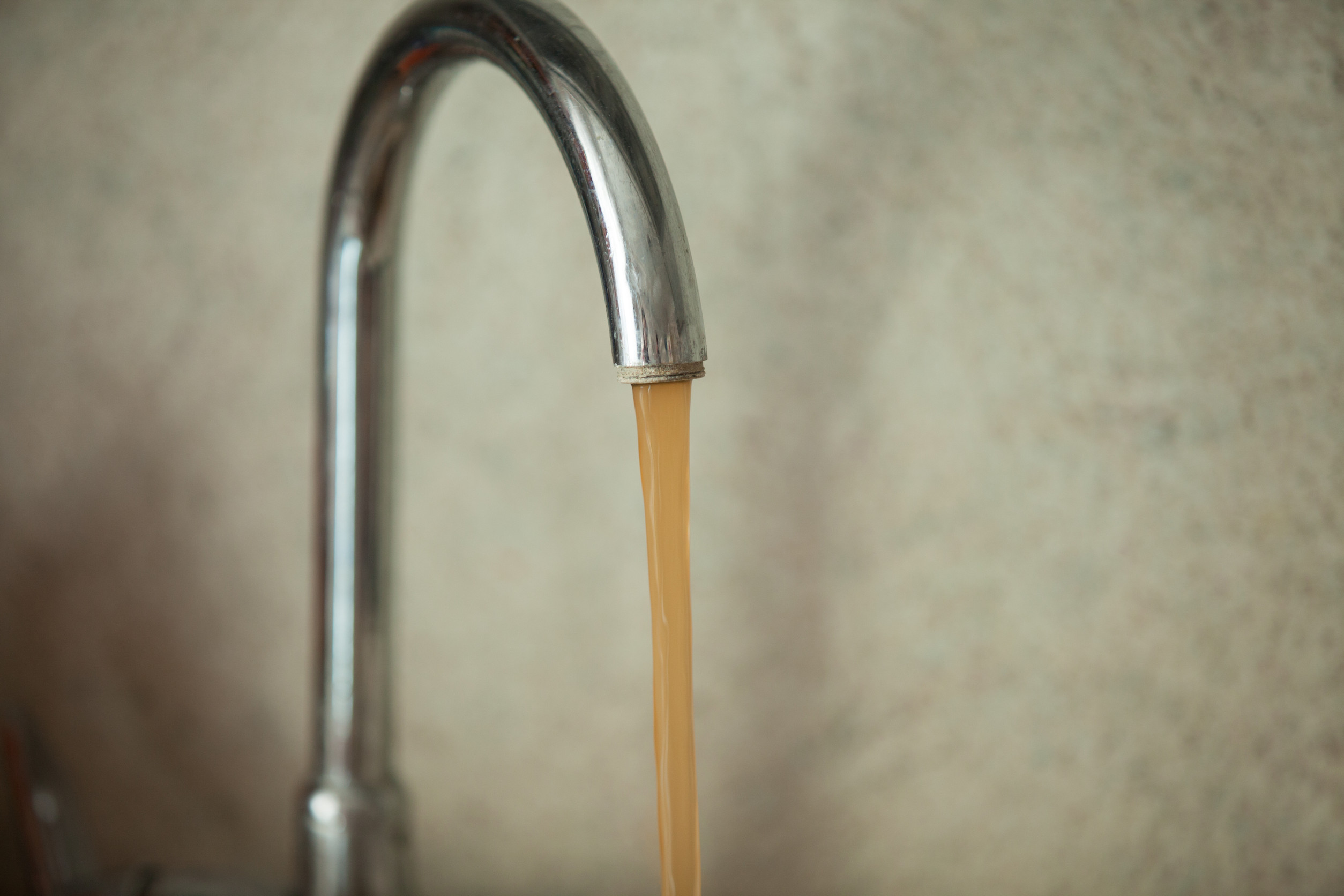
When you turn on a faucet, you expect clear, clean water. So it is unsettling to see brown, yellow, orange, or cloudy water coming from your sinks, tubs, or showers. Discolored water can be temporary and harmless, or it can be a serious warning sign that your plumbing, water heater, or water supply needs attention.
The key is knowing what the different colors mean, what is happening inside your pipes or water heater, and when it is time to bring in a professional. In this guide, you will learn the most common causes of discolored water in your faucets, how to troubleshoot it safely, and what long term solutions can protect your home and your health.
What Discolored Water Can Look Like
Not all discolored water looks the same, and the color can give you clues about the source of the problem. Common types include:
- Brown or reddish water
Often linked to rust, corrosion, or sediment from old pipes or a water heater. - Yellow water
May indicate oxidized metals, aging pipes, or certain minerals in the water. - Orange or tea colored water
Frequently connected to iron in the water supply or heavy rust inside pipes. - Cloudy or milky water
Sometimes caused by tiny air bubbles that clear after a few seconds, but can also be related to sediment. - Green or blue water
Can point to corrosion in copper plumbing or issues with certain fixtures.
Even if the discoloration clears up quickly, it should not be ignored if it happens often. Discolored or rusty water is one of the clearest signs your plumbing system needs repair and a reason to investigate before more serious problems develop.
Corroded or Aging Pipes Inside Your Home
One of the most common causes of brown, yellow, or rusty water is corrosion inside older plumbing pipes. Over time, steel and iron pipes oxidize from the inside out. Tiny flakes of rust break free and travel to your faucets, especially after water has been sitting for a while.
Clues your pipes may be the problem
- Discoloration is strongest when you first turn on the tap, then slowly clears
- Only certain faucets or one side of the house are affected
- Water leaves rust colored stains in sinks, tubs, and toilets
- Your home has older galvanized or steel pipes
In advanced stages, corrosion does more than discolor water. It thins pipe walls, making them prone to leaks and bursts. If you are seeing rusty water along with low pressure or frequent leaks, this is a sign your system may need more than a quick fix. Upgrading to modern materials is one of the reasons why you should upgrade old plumbing pipes is such an important topic for homeowners with aging plumbing.
Sediment and Rust Inside Your Water Heater
Even if your piping is in good shape, your water heater can be a major source of discoloration, especially if the problem shows up only when you run hot water.
How the water heater causes discolored hot water
- Minerals and sediment settle at the bottom of the tank over time
- The anode rod slowly sacrifices itself to protect the tank, creating rust particles
- Internal corrosion can begin if the anode rod is worn out
- Heated water stirs up sediment and rust, sending it to your faucets
You may notice:
- Brown or rusty water only from hot taps, not from cold
- Rumbling or popping sounds from the water heater
- Discoloration that is worse after the water heater has been idle
Regular flushing and maintenance help prevent these problems. A well maintained unit is less likely to produce discolored water and more likely to deliver reliable performance. For homeowners in East Tennessee, following water heater maintenance tips tailored to local conditions can make a big difference in both water quality and equipment life.
Hard Water and Mineral Buildup
If your home has hard water, minerals like calcium and magnesium can cause more than just spots on dishes and scale on fixtures. Over time, mineral buildup can trap sediment, contribute to corrosion, and change the way water flows through pipes and equipment. This can contribute to cloudy or off colored water.
Signs hard water is part of the problem
- White, chalky residue on faucets and showerheads
- Spots on glasses and dishes even after washing
- Soap that does not lather easily
- Reduced flow at some fixtures due to scale buildup
Hard water does not usually create brown water by itself, but it accelerates wear and can worsen discoloration caused by other issues. If you suspect mineral problems, the guide on how to know if you have hard water and what to do about it walks through the visible signs, testing options, and treatment solutions.
For a system wide perspective on the impact, how hard water impacts your plumbing system explains how minerals lead to clogs, reduced efficiency, and damage throughout your pipes and appliances.
Disturbances in the Municipal Water Supply
Sometimes the cause of discolored water is not inside your home at all. Municipal water systems occasionally stir up sediment in mains and public lines. This can happen when:
- Fire hydrants are being flushed
- A nearby main is repaired or replaced
- There is a temporary pressure change in the city system
In those cases, you may notice:
- Brown or yellow water from all faucets at once
- Neighbors having the same problem at the same time
- Discoloration that clears after running water for a short period
If you suspect a city related issue, you can:
- Check with neighbors to see if they are experiencing the same thing
- Avoid using hot water until the water clears, so you do not pull sediment into your water heater
- Contact your local water utility to report and confirm the situation
Even when the cause is outside your property, it is wise to keep an eye on your water heater and filters afterward, since stirred up sediment can settle inside your system.
Well Water and Natural Minerals in East Tennessee
Many homes in East Tennessee rely on private wells instead of city water. Well water often has its own set of characteristics, including higher levels of iron, manganese, or tannins that can discolor water.
Common well related discoloration signs:
- Orange or reddish water from iron
- Blackish or dark brown tint from manganese
- Tea colored water from organic material or tannins
- Staining on fixtures and laundry
Because private wells are not monitored by public agencies, it is up to the homeowner to test and manage water quality. If your water looks or smells unusual, especially if it has changed recently, it is time to get it checked.
The detailed guide on how to test and treat your East Tennessee well water explains how often to test, what to look for, and what treatment options can help remove discoloration, minerals, and other contaminants.
Discolored Water as a Warning Sign of Pipe Failure
Discolored water is not just an aesthetic issue. In some cases, brown or yellow water is an early sign that pipes are in serious trouble. As corrosion progresses, rust weakens the pipe walls and makes them more likely to crack or burst under pressure.
You should pay close attention if:
- Brown or yellow water appears suddenly and is constant
- You also notice drops in water pressure
- There are new leaks, wet spots, or stains on walls or ceilings
- Your home has older steel or galvanized pipes
These are some of the red flags covered in how to tell if your pipes are about to burst, which also discusses what to do if you suspect a pipe is near failure. Ignoring discolored water in a home with aging pipes can lead to a much more expensive emergency down the road.
When the Problem Comes From Just One Faucet
If discolored water comes from only one faucet or fixture, the issue may be more local. Possible causes include:
- A rusty or failing supply line to that faucet
- Corrosion or debris inside the faucet body itself
- A failing cartridge or internal part in a single handle faucet
- Sediment trapped in an aerator or small filter
In this case, you can:
- Remove and clean the aerator to see if sediment is trapped there
- Run water for a minute to see if the discoloration clears
- Compare with nearby fixtures that share the same plumbing branch
If only one faucet is involved and cleaning does not help, a plumber can inspect that fixture and its supply lines for hidden corrosion or partial failure.
How a Professional Water Analysis Helps
Because there are so many possible causes, guessing at the reason for discolored water can lead to the wrong fix. A professional water test gives you hard data instead of relying on guesswork.
A thorough professional water analysis in East Tennessee can:
- Identify mineral levels such as iron, manganese, calcium, and magnesium
- Detect potential contaminants or bacterial issues
- Reveal whether discoloration is likely from your plumbing or the source water
- Guide you toward filtration, softening, or treatment systems that actually address the problem
Once you know what is in your water, it becomes much easier to choose the right combination of repairs and treatment.
Long Term Solutions for Discolored Water
Short term fixes, like flushing a line or cleaning an aerator, can help in mild cases. For lasting improvement, you may need a combination of repair and prevention strategies.
Replace severely corroded pipes
If your pipes are old and rust is widespread, replacing them with modern materials such as copper or PEX is often the best long term solution. This improves both water quality and reliability. Updating older piping is a key point in how to extend the life of your plumbing system, which also covers pressure control and leak prevention.
Maintain or replace your water heater
Regular flushing, anode rod inspection, and timely replacement of an aging water heater will reduce discoloration caused by internal corrosion and sediment.
Install filtration or treatment systems
Whole house filtration, point of use filters, water softeners, or iron filters can:
- Reduce mineral content
- Remove iron and manganese that cause staining
- Improve taste, odor, and clarity
The guide to the best plumbing upgrades for home efficiency explains how filtration and softening can protect pipes, appliances, and fixtures while improving everyday water use.
What To Do Right Away When You Notice Discolored Water
If you suddenly see discolored water at your faucets, here are safe steps to take:
- Determine if it is hot, cold, or both
- If only hot water is affected, your water heater is a likely source.
- If both are affected, think about pipes, the main line, or the water supply.
- Run water briefly and see if it clears
- Let the water run for a minute or two in a sink or tub.
- If it quickly runs clear and does not return, it may be temporary sediment.
- Check multiple fixtures
- Test more than one faucet and bathroom.
- If every fixture shows the problem, it is likely a system wide issue.
- Check with neighbors if you are on city water
- If they have the same issue, contact the water utility.
- Avoid drinking clearly discolored water
- Use bottled water for drinking and cooking until you understand the cause.
- Call a professional if the problem persists or is severe
- Especially if discoloration is constant, combined with low pressure, or paired with other signs of plumbing trouble.
Why Work With a Trusted Local Plumbing Professional
Discolored water is one of those problems where a quick online tip is rarely enough. You need someone who can look at your specific system, your water source, and your home’s plumbing history.
A trusted local plumber can:
- Inspect visible piping, fixtures, and your water heater
- Take targeted water samples for analysis
- Identify whether the cause is inside your home or from the supply
- Recommend repair, replacement, or treatment solutions that fit your budget
The team at Advanced Heat, AC, & Plumbing has years of experience working with both city water and well water in Knoxville, Maryville, and surrounding East Tennessee communities. Whether you are seeing light discoloration now and then or heavy rust colored water that will not go away, they can help you track down the cause and fix it correctly.
For homeowners who are ready to take action, scheduling a visit through the plumbing services page is a smart first step toward clearer, cleaner water from every faucet in your home.
Frequently Asked Questions About Discolored Faucet Water
If you have seen brown, yellow, cloudy, or strange looking water coming from your faucets, you are not alone. These common questions and answers can help you understand what is going on and what to do next.
1. Is discolored water from my faucet always dangerous?
Not always, but it should never be ignored. Some discoloration is caused by harmless sediment or minerals, while other cases come from serious corrosion, contamination, or plumbing failure. Because you cannot tell the cause just by looking, it is best to avoid drinking clearly discolored water until the issue is understood and corrected.
2. Why is my water brown or rusty looking all of a sudden?
A sudden burst of brown or rusty water is often caused by disturbed sediment or rust in the plumbing. This can happen after a main break, hydrant flushing, or work on your water lines. It can also come from corrosion inside older pipes or your water heater. If the water does not clear quickly or keeps coming back, you should have your system inspected.
3. Why do I only see discoloration when I run hot water?
If only the hot side is discolored, your water heater is the most likely source. Sediment buildup, a failing anode rod, or internal rust can all cause brown or yellow hot water. In this case, flushing the tank or servicing the heater may be needed, and in severe cases the unit may need to be replaced.
4. Why is my water occasionally cloudy or milky but then turns clear?
Cloudy or milky water that clears in a few seconds is often caused by tiny air bubbles. This can happen after plumbing work or pressure changes. If the cloudiness disappears quickly from the bottom up when the water sits in a glass, it is probably air. If it stays cloudy, or you see particles or color, you should have it checked.
5. Can old pipes cause yellow or brown water?
Yes. Aging galvanized steel or iron pipes corrode from the inside, releasing rust into the water and creating yellow, orange, or brown discoloration. This often shows up first thing in the morning or after the water has been sitting in the pipes. Over time, the same corrosion that colors the water can weaken pipes and lead to leaks or bursts.
6. Does hard water cause discolored water in my faucets?
Hard water by itself usually does not turn water brown, but it does speed up scale and sediment buildup in pipes and water heaters. That buildup can trap rust and minerals and make discoloration problems worse. Hard water also contributes to cloudy water, white residue on fixtures, and reduced flow at faucets and showerheads.
7. What should I do first if I see discolored water at home?
First, note the color, whether it smells unusual, and whether it happens with hot, cold, or both. Run the water for a minute or two in a tub or sink to see if it clears. Check other faucets to see if the problem is house wide or limited to one fixture. If you are on city water, contact your water provider if you suspect a main issue. If the problem persists, call a plumber for an inspection.
8. Is it safe to shower in discolored water?
Light, short term discoloration from stirred up sediment is usually less concerning for showering than for drinking, but any strong color, odor, or slimy feel is a reason to be cautious. If the water looks significantly rusty, muddy, or has an oily or chemical smell, it is best to avoid bathing in it until the source is identified and fixed.
9. Can a water filter fix discolored water from my faucets?
Filters can help, but only if they are matched to the actual cause. A simple carbon filter might improve taste and light discoloration, but it will not solve serious corrosion, failing pipes, or a rusted water heater tank. That is why it is smart to diagnose the problem first, then choose filtration or treatment as part of a larger solution.
10. When should I call a professional about discolored water?
You should call a professional plumber if discoloration is constant or recurring, affects both hot and cold water, is accompanied by low pressure or leaks, or if you see stains building up on fixtures and laundry. A trusted local team like Advanced Heat, AC, & Plumbing can inspect your pipes, water heater, and supply, perform water testing if needed, and recommend the right repair or treatment so your water runs clear again.


