


How to Reduce Energy Costs with Commercial HVAC Maintenance in Knoxville
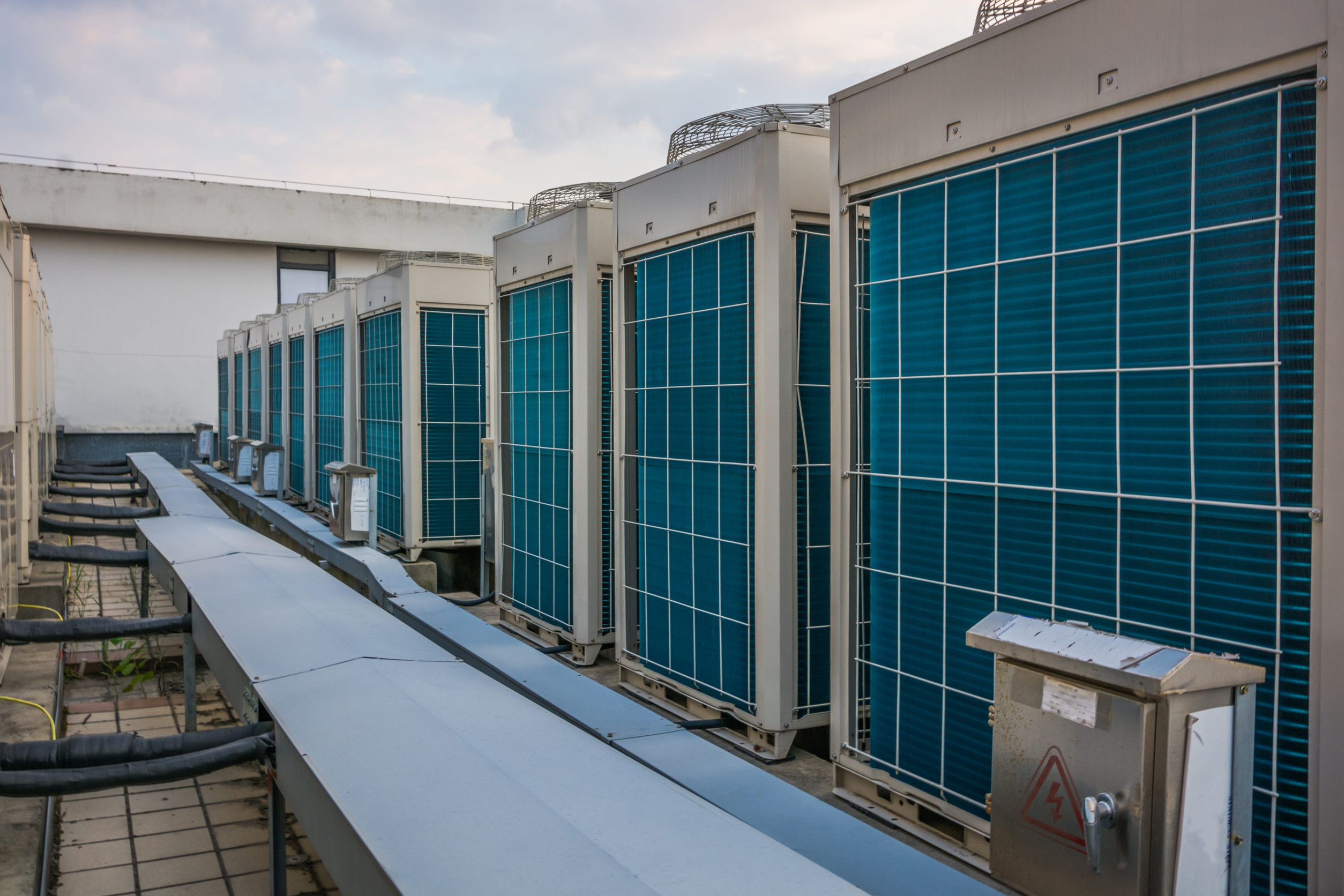
For commercial building owners, facility managers, and business executives in Knoxville, operational overhead is a constant focal point. Among all building operating expenses, heating, ventilation, and air conditioning (HVAC) systems consistently represent the single largest energy cost, frequently accounting for 40% to 60% of a commercial building's total electric and gas consumption.
In the Tennessee River Valley, commercial climate control equipment operates under challenging environmental conditions. Knoxville’s climate features hot, muggy summers with relative humidity levels routinely climbing past 80%, alongside freezing winter cold snaps, heavy spring pollen blasts, and rapid seasonal temperature swings.
When rooftop units (RTUs), split systems, or chillers are left to run without routine mechanical calibration, their energy efficiency degrades rapidly. A deferred maintenance plan can cause a commercial unit to lose 5% to 15% of its operating efficiency each year, forcing compressors and blower motors to consume significantly more power to satisfy building setpoints.
Fortunately, proactive commercial HVAC maintenance is one of the highest-ROI investments a facility manager can make. Implementing a structured maintenance routine converts erratic utility spikes into predictable cash flow savings while extending equipment lifespan.
The Hidden Connection Between Equipment Neglect and Knoxville Utility Bills
To understand how routine maintenance slashes utility spending, property managers must first understand how commercial utility billing works in East Tennessee. Unlike residential accounts, commercial electricity rates from utility providers like the Knoxville Utilities Board (KUB), Lenoir City Utilities Board (LCUB), and local distributors consist of two major components:
- Consumption Charges (Kilowatt-Hours - kWh): The total volume of electrical energy your facility uses over the course of a monthly billing cycle.
- Peak Demand Charges (Kilowatts - kW): A surcharge calculated from the highest single 15-minute spike in electrical power drawn by your facility during the entire month.
+-----------------------------------------------------------------------------------+
|                        COMMERCIAL UTILITY BILL BREAKDOWN                          |
+-------------------+---------------------------------------------------------------+
| BILLING COMPONENT | HOW NEGLECTED HVAC DRIVES UP COSTS                            |
+-------------------+---------------------------------------------------------------+
| Consumption (kWh) | Dirty coils & clogged filters force compressors to run longer |
|                   | hours, continually burning kilowatt-hours.                    |
+-------------------+---------------------------------------------------------------+
| Peak Demand (kW)  | Straining motors, weak capacitors, and low refrigerant cause  |
|                   | high electrical inrush spikes, locking in high demand rates.  |
+-------------------+---------------------------------------------------------------+
When commercial HVAC systems operate with dirty heat exchangers, slipping fan belts, or low refrigerant charges, the mechanical workload spikes dramatically. Electrical motors draw significantly higher operating amperage, creating massive electrical demand spikes during unit start-ups.
A single struggling 10-ton rooftop unit can trigger a high peak demand reading during an August afternoon in Knoxville, inflating the utility rate applied across your building's entire monthly energy statement.
6 High-Impact Maintenance Tasks That Directly Lower Energy Bills
Systematic maintenance targets mechanical friction, airflow resistance, and thermal transfer degradation—the primary causes of energy waste in commercial climate control systems.
1. Precision Condenser and Evaporator Coil Cleaning
Commercial outdoor condenser coils are exposed to constant environmental contamination. In Knoxville, spring brings heavy oak and pine pollen, while summer introduces road dust, insects, and organic particulates.
As dirt coats the aluminum fins of a condenser coil, it forms an insulating barrier that hinders heat rejection. The basic physical equation for heat transfer illustrates this issue:
$$Q = U \cdot A \cdot \Delta T$$
Where $Q$ represents total thermal energy transferred, $U$ is the overall heat transfer coefficient, $A$ is the coil surface area, and $\Delta T$ is the temperature differential.
When dirt builds up on the fins, the heat transfer coefficient $U$ drops significantly. To compensate and eject heat from the building, the compressor must operate at much higher head pressures, elevating power consumption by as much as 20% to 30%.
- The Solution: Bi-annual chemical foam washing of outdoor condenser coils removes deep-seated grime, restoring normal operating head pressures and lowering compressor power consumption. Indoor evaporator coils must also be sanitized to clear biological buildup and maximize moisture extraction.
2. Static Pressure Management and Filter Optimization
Air filters serve as the first line of defense for commercial air handlers, protecting internal blowers and cooling coils from debris. However, as filters load with dust, resistance to airflow increases, creating high static pressure inside supply ductwork.
High static pressure forces supply fan blowers—which often run continuously in commercial applications—to work harder, drawing excessive electrical amperage. Furthermore, restricted airflow starves the evaporator coil, forcing the cooling cycle to run longer to satisfy wall thermostats.
- The Solution: Implementing scheduled filter changes tailored to your building usage prevents static pressure spikes. Partnering with certified specialists for commercial HVAC services guarantees that filter media selection matches your system's fan static pressure curves, balancing air filtration with low energy consumption.
3. Economizer Calibration and Free-Cooling Optimization
Many commercial rooftop units come equipped with economizers—outdoor air dampers controlled by sensors that bring cool exterior air into the building when outdoor conditions are favorable. In Knoxville, late spring and early autumn bring mild, crisp mornings where outdoor temperatures sit in the 50s or 60s.
When an economizer functions correctly, it provides "free cooling," satisfying the building's thermal load without turning on energy-intensive mechanical refrigeration compressors. However, national commercial building studies reveal that over 60% of commercial economizers are broken, seized, or miscalibrated.
- Seized Outdoor Dampers: If dampers stick in a open position during a hot July afternoon, the system continuously pulls in 90°F, high-humidity outdoor air, destroying cooling efficiency.
- Miscalibrated Enthalpy Sensors: If sensors fail, the system misses hundreds of hours of free cooling opportunities each year.
- The Solution: Quarterly damper motor testing, mechanical linkage lubrication, and temperature/enthalpy sensor calibration ensure your facility captures every available hour of free outdoor cooling.
+-----------------------------------------------------------------------------------+
|                        ECONOMIZER EFFICIENCY COMPARISON                           |
+------------------------------------+----------------------------------------------+
| OPERATIONAL STATUS                 | ANNUAL IMPACT ON FACILITY UTILITY COSTS      |
+------------------------------------+----------------------------------------------+
| Calibrated & Working Economizer   | Saves 10% to 25% in annual cooling energy.   |
+------------------------------------+----------------------------------------------+
| Seized Dampers / Stuck Open        | Increases summer energy costs by 20% to 40%. |
+------------------------------------+----------------------------------------------+
| Disabled / Stuck Closed            | Wastes 100% of free outdoor cooling hours.   |
+------------------------------------+----------------------------------------------+
4. Refrigerant Charge Calibration and Leak Detection
An HVAC system running on an incorrect refrigerant charge consumes excessive energy while risking total compressor failure.
- Undercharged Systems: A low refrigerant charge (often caused by micro-leaks in coil joints) reduces thermal capacity. The compressor must run continuously to achieve set temperatures, causing the evaporator coil to freeze into solid ice and blocking airflow entirely.
- Overcharged Systems: An excessive refrigerant charge forces liquid refrigerant into the compressor dome, raising head pressures and risking mechanical destruction from liquid slugging.
Regularly checking superheat and subcooling measurements ensures the system operates at its precise design parameters, delivering maximum cooling efficiency per kilowatt consumed.
5. Drive Belt Alignment and Pulley Tensioning
Many mid-to-large commercial rooftop units and air handlers utilize belt-driven fan assemblies. Over time, drive belts stretch, fray, and lose tension, leading to mechanical slippage against drive sheaves.
A slipping belt reduces supply airflow (CFM) without reducing the electrical consumption of the fan motor. The fan motor draws full power while delivering only a fraction of the required air volume into tenant spaces, extending cooling and heating cycles.
- The Solution: Checking drive belt tension with deflection tools, aligning pulleys, and replacing worn belts every 3 to 6 months ensures 100% of the motor's mechanical energy is transferred directly to the blower assembly.
6. Control Calibration and Setback Scheduling
Modern commercial buildings rely on programmable thermostats or centralized Building Automation Systems (BMS) to schedule setpoint temperatures based on business operating hours.
However, sensor drift, manual employee overrides, and corrupted scheduling programs often lead to facilities being fully conditioned during unoccupied night and weekend hours. Conditioning an empty 10,000-square-foot office or retail space over a weekend can add hundreds of dollars in unnecessary utility expenses every month.
Establishing a clear timeline for how often commercial HVAC systems should be serviced in Knoxville ensures that control sensors are regularly calibrated and unoccupied setback programs remain strictly enforced.
Taming the East Tennessee Humidity Factor
In Knoxville, energy-efficient cooling is not just about lowering indoor air temperature—it is about managing atmospheric moisture. High humidity makes indoor air feel significantly warmer than the actual thermostat reading, tempting occupants to lower thermostat setpoints even further and increasing energy consumption.
When a commercial cooling system suffers from dirty coils, improper airflow, or short-cycling compressors, it loses its ability to pull moisture out of the air. The system may lower the dry-bulb temperature quickly, but it leaves behind clammy, high-humidity indoor air.
Key Insight: Lowering a commercial thermostat by just 1 degree Fahrenheit can increase your overall cooling energy consumption by 3% to 5%.
By maintaining clean coils, correct fan speeds, and precise refrigerant levels, your commercial equipment operates through long, efficient cooling cycles designed to strip latent moisture out of the air. Maintaining indoor relative humidity between 40% and 50% allows building occupants to feel comfortable at 74°F, eliminating the need to overcool the building down to 68°F.
Deepening your understanding of how humidity affects your HVAC system in East Tennessee helps property managers recognize why moisture control is essential for long-term energy savings.
Financial ROI: Maintenance Investment vs. Energy Savings
Some facility managers view preventive maintenance as an unnecessary administrative expense. However, financial analysis shows that comprehensive commercial HVAC maintenance pays for itself directly through utility savings and avoided repair expenses.
Real-World Commercial Cost Comparison
Consider a mid-sized, 15,000-square-foot commercial office facility in West Knoxville operating three 10-ton rooftop units:
- Annual Electric & Gas Spending (Unmaintained): ~$28,000 / year
- Estimated Efficiency Loss From Deferred Care (15%): ~$4,200 / year in wasted energy
- Annual Comprehensive Maintenance Contract Cost: ~$1,800 / year
- Net Annual Cash Savings: +$2,400 per year in direct profit
+-----------------------------------------------------------------------------------+
|               FINANCIAL RETURN ON INVESTMENT (ROI) BREAKDOWN                      |
+-----------------------------------+-----------------------------------------------+
| COST / BENEFIT CATEGORY           | ESTIMATED ANNUAL FINANCIAL IMPACT             |
+-----------------------------------+-----------------------------------------------+
| Energy Bill Reductions (10%-20%)  | Saves $2,800 – $5,600 annually                 |
+-----------------------------------+-----------------------------------------------+
| Emergency Repairs Prevented       | Saves $1,500 – $4,000 in unscheduled calls    |
+-----------------------------------+-----------------------------------------------+
| Extended Equipment Lifespan       | Delays $30,000+ capital replacement costs     |
+-----------------------------------+-----------------------------------------------+
| Net Financial Impact              | Strong positive ROI from year one             |
+-----------------------------------+-----------------------------------------------+
Beyond immediate monthly power savings, routine care dramatically lowers catastrophic breakdown risks during peak weather periods, keeping expensive emergency repairs off your operational balance sheet.
Knowing When Maintenance Is No Longer Enough
While routine maintenance can keep commercial equipment running efficiently for 12 to 15 years, every mechanical system eventually reaches the end of its economic lifespan. When internal components like compressor windings, heat exchangers, and fan motor housings suffer severe metal fatigue, maintenance alone can no longer overcome inherent design degradation.
Facility managers should monitor key warning indicators:
- System age exceeding 12 to 15 years
- Frequent reliance on expensive, obsolete R-22 refrigerant
- Cumulative repair costs over 12 months exceeding 50% of a new system's value
- Persistent temperature imbalances across building zones that cannot be corrected through balancing
Watching out for clear signs your commercial HVAC system needs replacing in East Tennessee prevents building owners from throwing good money after bad on obsolete, inefficient units.
When equipment reaches this threshold, calculating the long-term benefits of upgrading your business HVAC system reveals that installing modern, high-SEER2 equipment yields dramatic energy reductions that quickly offset upfront capital expenditures.
Building a Customized Maintenance Plan for Your Knoxville Facility
Maximizing energy savings requires moving from reactive fire-fighting to a structured, scheduled maintenance agreement tailored to your facility's operational demands. A comprehensive commercial maintenance program should follow a clear seasonal schedule:
+-----------------------------------------------------------------------+
|                 COMMERCIAL MAINTENANCE CALENDAR                       |
+-----------------------------------------------------------------------+
|  MONTHLY:                                                             |
|   • Inspect filter banks and replace loaded media.                     |
|   • Visually inspect roof curbs, cabinet seals, and drain lines.       |
|                                                                       |
|  QUARTERLY:                                                           |
|   • Inspect fan belt tension, pulleys, and motor bearings.            |
|   • Test economizer damper linkages, actuators, and air intake screens. |
|   • Inspect electrical contactors for carbon pitting and tighten wiring.|
|                                                                       |
|  BI-ANNUAL (SPRING / FALL):                                           |
|   • Perform chemical washing of condenser and evaporator coils.       |
|   • Measure refrigerant superheat, subcooling, and operating pressures.|
|   • Inspect combustion burners, heat exchangers, and flue exhausts.   |
|   • Calibrate wall sensors, thermostats, and BMS setback schedules.   |
+-----------------------------------------------------------------------+
Partnering with local heating and cooling specialists in East Tennessee provides facility managers with certified commercial technicians, detailed diagnostic reporting, and priority response during extreme weather events.
By taking control of your facility's climate infrastructure today, you reduce monthly energy expenses, protect tenant comfort, and secure long-term operational efficiency for years to come.


