


Kitchen Plumbing Upgrades That Improve Efficiency
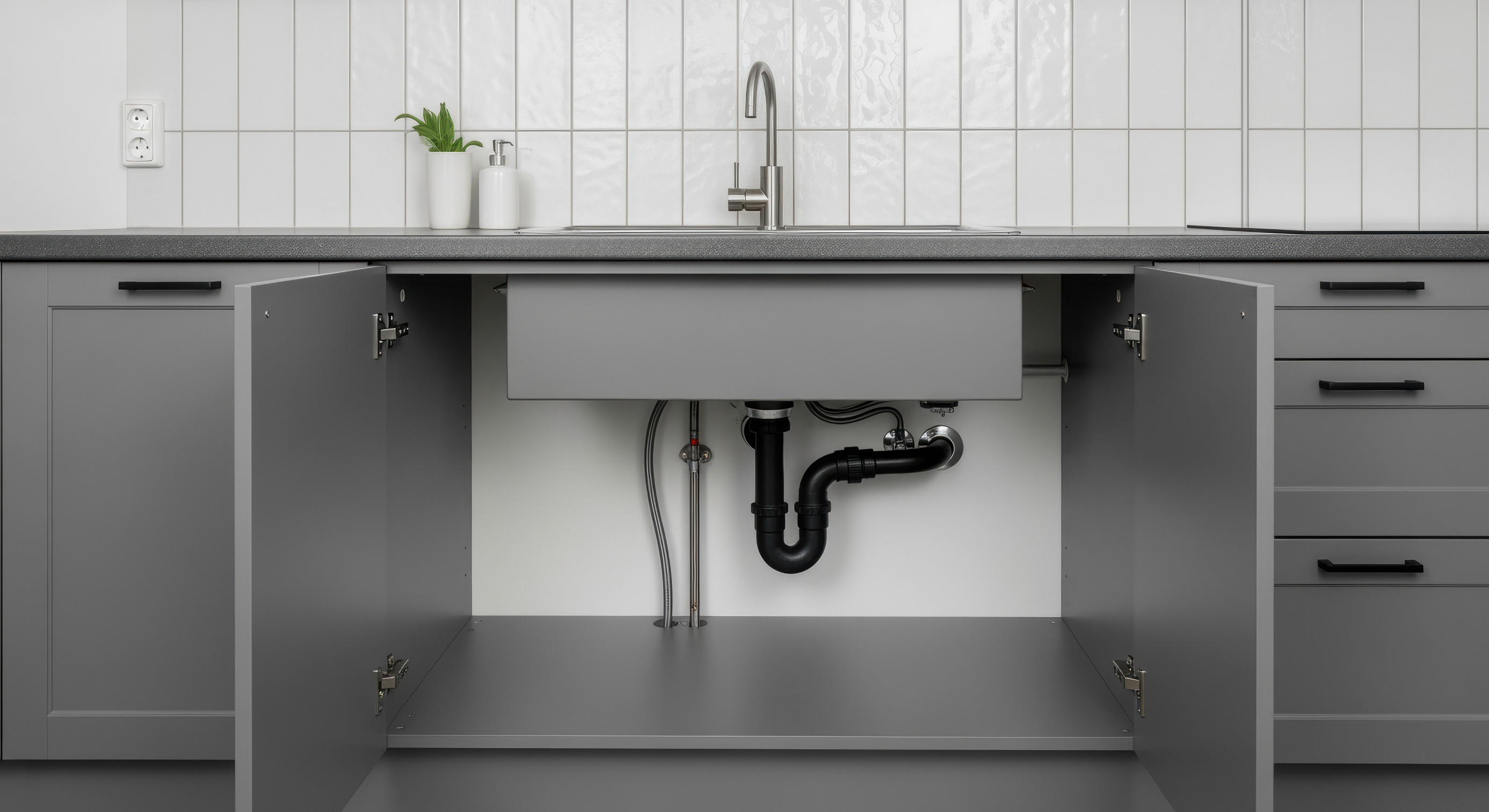
The kitchen is where your plumbing works the hardest. Between cooking, cleaning, dishwashing, and hand washing, your sink, pipes, and fixtures see constant use every single day. When that plumbing is outdated or inefficient, you feel it in slow sinks, wasted water, higher energy bills, and extra time spent cleaning up.
The good news is that you do not need a full gut renovation to see a big improvement. Strategic kitchen plumbing upgrades can boost efficiency, protect your home, and make everyday tasks faster and easier. With the right mix of modern fixtures, smart layout choices, and professional installation, your kitchen can become one of the most efficient spaces in your home.
Below are the key upgrades to consider and how the team at Advanced Heat, AC, & Plumbing can help you plan and install them the right way.
Why Kitchen Plumbing Efficiency Matters
An efficient kitchen plumbing system saves more than water. It affects:
- Utility costs
Efficient fixtures and appliances use less water and energy. Over time, that adds up on your monthly bills. - Daily convenience
Proper water pressure, good sink layout, and reliable hot water make cooking and cleanup much faster. - Appliance lifespan
Good plumbing protects dishwashers, refrigerators with ice and water, and instant hot taps from scale, leaks, and low flow issues. - Home value
Buyers pay attention to modern, efficient kitchens, especially when the upgrades are backed by professional plumbing.
If you are thinking about improvements across your home, the guide on the best plumbing upgrades for home efficiency shows how kitchen changes fit into a bigger efficiency strategy.
Upgrade 1: High Efficiency Kitchen Faucets and Aerators
Your kitchen faucet is one of the most used fixtures in the house, which makes it a prime target for efficiency upgrades.
Choose a modern, water saving faucet
Newer faucets are designed to provide the same useful flow with less water. Look for:
- Models with efficient flow rates
- Pull down or pull out sprayers for better rinsing
- Ceramic disc valves for fewer drips and longer life
If your current faucet is older, corroded, or hard to operate, replacing it can improve both performance and style. For design and function inspiration, the article on upgrading your kitchen fixtures for a modern look highlights how fixture choices affect both efficiency and aesthetics.
Add or upgrade faucet aerators
Aerators mix air into the water stream so it feels strong while actually using less water. A simple aerator change can:
- Reduce water use without sacrificing rinse power
- Cut splashing at the sink
- Improve overall comfort at the faucet
If you are dealing with drips or constant small leaks, tackling those at the same time is smart. The team’s guide to fixing common faucet leaks around the house explains why those slow drips cost more than you think.
Upgrade 2: A Smarter Sink and Faucet Layout
Efficiency is not only about hardware, it is also about how everything is arranged. If you are planning a remodel or even a partial refresh, take a close look at your sink location and layout.
Thoughtful layout can:
- Shorten the distance between sink, dishwasher, and prep areas
- Reduce time walking back and forth with heavy pots or dirty dishes
- Make better use of corner or island space
Before you move anything, it is important to plan how plumbing lines, venting, and shutoff valves will be affected. The article planning your kitchen sink and faucet installation walks through practical choices like sink size, material, and location so your new setup is both efficient and comfortable to work at.
Upgrade 3: Garbage Disposal and Drain Improvements
A lot of efficiency is lost when kitchen drains are slow, noisy, or constantly clogging. A few key upgrades can keep water and waste moving smoothly.
Install or upgrade a garbage disposal
A properly sized, high quality disposal can:
- Grind food scraps more completely
- Reduce the chance of clogs in the drain line
- Make cleanup faster after meals
Paired with good drain habits, a disposal can be a major convenience upgrade.
Use better drain hardware and habits
Simple changes make a big difference:
- Install mesh strainers in sink drains to catch food bits
- Avoid pouring grease, oils, and fats down the sink
- Periodically clean traps, stoppers, and strainers
For more preventive ideas, the blog on top tips to keep your drains from clogging offers easy ways to keep kitchen plumbing clear and efficient.
If you like simple tricks that save time, residential plumbing hacks that actually work also shares practical kitchen drain and leak prevention ideas.
Upgrade 4: Hot Water Delivery That Matches Kitchen Demand
Waiting for hot water at the kitchen sink wastes time and gallons of water every week. In some homes, the water heater is far from the kitchen, which means long waits and extra strain on the heater.
Options to improve hot water efficiency include:
- Shortening hot water runs during a remodel so piping takes a more direct route to the kitchen
- Adding a hot water recirculation system so hot water reaches the faucet more quickly
- Upgrading the water heater to a more efficient or better sized model
Low water pressure at the kitchen sink can make all of this worse, since it slows down filling pots, rinsing dishes, and using the sprayer. For a deeper look at pressure problems and fixes, see why low water pressure happens and how to fix it.
If your water heater is older or struggles to keep up with demand, handling both efficiency and hot water supply as part of a kitchen upgrade can give you a noticeable improvement every day.
Upgrade 5: Under Sink Organization, Shutoffs, and Leak Protection
The cabinet under the kitchen sink is often a tangle of pipes, cleaners, and random storage. Turning that space into a well organized, protected area is a big efficiency and safety win.
Key improvements include:
- Installing easy to reach shutoff valves for both hot and cold lines so you can quickly cut water during a leak or fixture swap
- Upgrading old supply lines to flexible, braided lines that resist bursts and are easier to work with
- Adding a small leak detector in the cabinet so you are alerted to drips before they soak cabinets or flooring
These changes do not just protect the kitchen, they also help prevent the type of hidden moisture issues described in how to prevent costly water damage in your home.
Upgrade 6: Better Pipes and Venting Behind the Walls
If your home is older, the pipes feeding your kitchen may be restricting flow or approaching the end of their useful life. When you update cabinets, floors, or layouts, it is the perfect time to refresh what is behind the walls.
Consider:
- Replacing aging galvanized or corroded lines with modern copper or PEX
- Checking drain size and slope to ensure quick, quiet draining
- Verifying that vent lines are properly sized and connected
These upgrades may not be visible, but they have a big impact on how quickly sinks drain and how reliably fixtures perform. If you are already planning a wider remodel, the article plumbing for your kitchen and bathroom remodel explains why including plumbing early in the design process prevents expensive rework later.
For projects that involve moving sinks, dishwashers, or gas ranges, it is also worth reviewing the cost and process of moving plumbing during a remodel so you understand how changes affect both budget and efficiency.
Upgrade 7: Water Quality and Filtration At the Kitchen Sink
Efficiency is not just about how much water you use, it is also about how that water treats your plumbing and appliances. Hard water, sediment, or other contaminants can:
- Leave spots and scale on fixtures and dishwashers
- Shorten the life of ice makers, coffee machines, and instant hot taps
- Affect the taste and clarity of drinking and cooking water
A targeted filtration system or water softening solution can:
- Protect fixtures and appliances from mineral buildup
- Improve taste, smell, and appearance of water at the tap
- Reduce strain on your water heater and kitchen plumbing
The smartest way to decide what you need is to start with a professional water analysis so you know exactly what is in your water and whether filtration, softening, or both will give you the best results.
Upgrade 8: Efficiency Focused Fixture and Appliance Choices
Some of the most effective kitchen plumbing upgrades are simple swaps that immediately lower water and energy use. These include:
- High efficiency dishwashers that use less water per cycle but clean better
- Filtered or chilled water dispensers that reduce bottled water reliance
- Modern fixtures and accessories that reduce splashing and wasted flow
If you are also thinking about resale value, plumbing upgrades that instantly boost home value explains which improvements buyers notice most and how kitchens play a key role in first impressions.
Everyday Habits That Support Your Kitchen Upgrades
Even the best plumbing upgrades need good habits to reach their full potential. Simple practices like:
- Scraping plates into the trash or compost instead of rinsing large food scraps down the sink
- Running the dishwasher only when it is full and using eco cycles when available
- Wiping grease into a container and disposing of it, instead of rinsing it into the drain
- Addressing small leaks or drips as soon as you notice them
These habits help your upgraded plumbing last longer and perform better. For a broader look at smart owner habits, the best plumbing practices for new homeowners offers a simple checklist that applies to kitchens and the rest of your house.
Planning Kitchen Plumbing Upgrades As Part of a Larger Project
If you are already considering new cabinets, countertops, or flooring, it is a perfect time to think strategically about kitchen plumbing. Coordinating plumbing updates with other work:
- Saves you from opening walls or floors twice
- Allows for re routing lines for better efficiency and layout
- Ensures everything is code compliant before surfaces are finished
To keep a remodel on track, the essential plumbing checklist for your home renovation is a helpful planning tool that highlights what to address and when.
Why Work With a Professional Kitchen Plumbing Team
DIY changes like swapping an aerator are simple enough, but many kitchen plumbing upgrades involve code requirements, permit rules, and hidden risks if something is done incorrectly. A professional team can:
- Evaluate your existing plumbing and spot hidden issues
- Recommend upgrades that truly improve efficiency, not just looks
- Size and install fixtures, filters, and water heaters correctly
- Protect your home from leaks, water damage, and pressure problems
For kitchen projects in Knoxville, Maryville, and surrounding East Tennessee communities, Advanced Heat, AC, & Plumbing offers full service help, from small fixture upgrades to full kitchen plumbing for remodels. You can explore the full range of plumbing services and schedule a visit when you are ready to start planning.
If you want to see how those services fit into the bigger picture of your comfort systems, the main Advanced Heat, AC, & Plumbing website explains how plumbing and HVAC work together to make your home more efficient and comfortable year round.
Conclusion
Kitchen plumbing upgrades are one of the smartest ways to improve your home’s efficiency, comfort, and long term value. By focusing on high efficiency fixtures, smarter sink layouts, better drainage, reliable hot water delivery, and clean, well treated water, you can transform the way your kitchen works without necessarily changing every visible surface.
The most effective upgrades come from a plan that looks at the entire system, from the faucet and disposal you use every day to the pipes, valves, and water quality behind the scenes. With professional guidance from a trusted local team, you can avoid missteps, protect your investment, and enjoy a kitchen that simply works better.
When you are ready to talk about the best kitchen plumbing upgrades for your home, the experts at Advanced Heat, AC, & Plumbing are ready to help you design and install solutions that deliver real everyday savings and long term peace of mind.
Frequently Asked Questions About Kitchen Plumbing Upgrades
If you are thinking about updating your kitchen, it is natural to wonder which plumbing upgrades are worth the investment. These common questions and answers will help you understand how to improve efficiency, save water, and get more from your kitchen every day.
1. What are the easiest kitchen plumbing upgrades to improve efficiency?
Some of the simplest upgrades include installing a high efficiency kitchen faucet, adding or replacing aerators, swapping old supply lines and shutoff valves, and upgrading to a modern, efficient dishwasher. These changes do not require a full remodel but can still save water, energy, and time.
2. Will a new kitchen faucet really save that much water?
Yes, especially if you have an older faucet with a high flow rate or worn internal parts. Modern faucets are designed to deliver strong performance while using less water, and when combined with a high quality aerator, they can significantly cut water usage at one of the most frequently used fixtures in your home.
3. How do I know if my kitchen drain needs to be upgraded?
Warning signs include frequent clogs, slow draining even after cleaning the trap, gurgling noises, or recurring odors from the sink. These issues can indicate undersized, improperly sloped, or partially blocked drain lines. An upgrade to the drain piping, including proper venting, can improve performance and help prevent backups.
4. Is it worth adding a garbage disposal if I do not have one now?
For many households, yes. A properly sized garbage disposal can make cleanup faster, reduce food scraps in the trash, and help prevent clogs when used correctly. It should always be paired with good habits, such as avoiding grease and large quantities of fibrous or starchy foods in the unit.
5. Why does it take so long for hot water to reach my kitchen sink?
Long waits for hot water usually happen when the water heater is far from the kitchen or when hot water lines take a long, winding route through the house. Solutions may include re routing piping during a remodel, adding a hot water recirculation system, or upgrading to a more efficient heater that recovers faster.
6. Should I upgrade my pipes when I replace my kitchen cabinets or countertops?
If your home has older galvanized or corroded pipes, a remodel is the ideal time to replace them with modern materials such as copper or PEX. Once cabinets, walls, and floors are opened, it is far more efficient to address aging pipes, drains, and venting instead of waiting for a leak or low flow problem later.
7. Do I need water filtration at the kitchen sink if my water looks clear?
Even if water looks clear, it can still contain minerals, chlorine, or other contaminants that affect taste, odor, and long term appliance performance. A dedicated filter or combined filtration and softening system, chosen after a professional water analysis, can protect fixtures, improve taste, and support the overall efficiency of your kitchen plumbing.
8. How can I protect my kitchen from leaks under the sink?
Make sure there are modern, accessible shutoff valves for hot and cold lines, upgrade to high quality braided supply hoses, and consider installing a small leak detector in the cabinet. Regularly checking for moisture, staining, or musty odors under the sink allows you to catch small leaks before they damage cabinets and flooring.
9. Are kitchen plumbing upgrades worth it if I plan to sell my home soon?
Yes. Buyers pay close attention to kitchens, and updated, efficient plumbing is a strong selling point. New fixtures, reliable drains, modern piping, and good water pressure signal that the home has been well cared for and can help your property stand out in a competitive market.
10. Who should I call to plan and install kitchen plumbing upgrades?
For the best results, work with a licensed plumbing professional who understands both day to day kitchen use and local code requirements. A full service team like Advanced Heat, AC, & Plumbing can evaluate your current setup, recommend smart upgrades, coordinate with any remodeling work, and install everything correctly so your kitchen runs efficiently for years to come.


