


Plumbing "Aging in Place": Modifying a home for senior safety
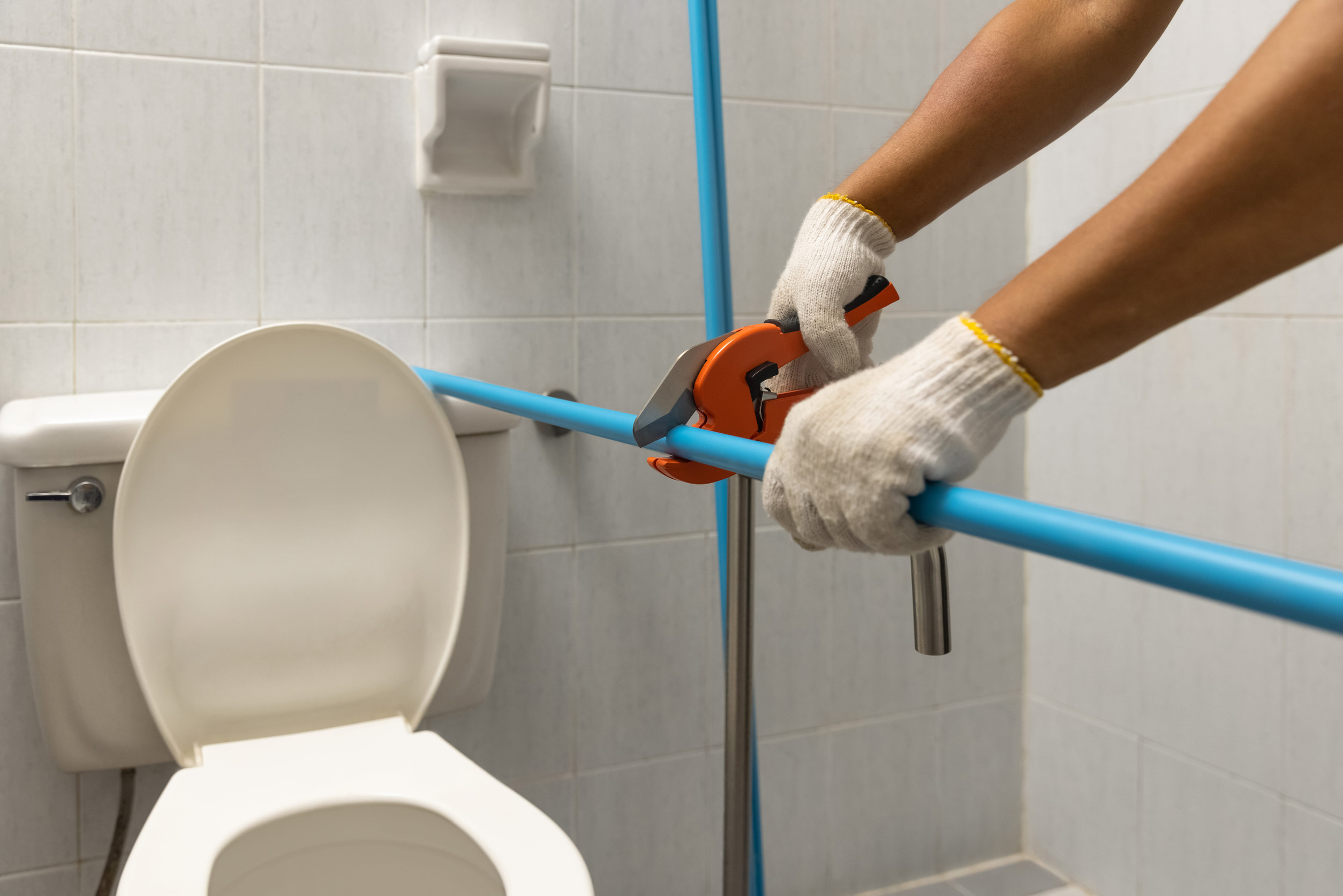
Most homeowners think about aging in place in terms of ramps, stair rails, or wider doorways. But plumbing design is one of the most important parts of making a home safer and easier for seniors to live in comfortably.
Bathrooms, kitchens, water heaters, and plumbing fixtures become more difficult to use as mobility, balance, vision, and strength change with age. Small plumbing upgrades can dramatically reduce fall risks, improve accessibility, and help seniors remain independent longer.
Aging-in-place plumbing is not only about convenience. It is about safety, injury prevention, water accessibility, hygiene, and reducing emergency situations inside the home.
For many East Tennessee homeowners, proactive plumbing modifications can make the difference between staying at home safely and needing assisted living sooner than expected.
What Does “Aging in Place” Mean?
Aging in place means modifying a home so someone can continue living there safely and independently as they grow older.
The goal is to reduce physical barriers and make daily tasks easier without requiring relocation.
Plumbing plays a central role because bathrooms and kitchens contain many of the highest-risk injury areas in a home.
Common concerns include:
- Slippery floors
- Difficult-to-use fixtures
- High bathtub walls
- Scalding risks
- Poor lighting around sinks
- Toilet accessibility
- Water pressure issues
- Emergency leak hazards
Most aging-in-place plumbing modifications focus on reducing physical strain while improving safety and accessibility.
Why Bathrooms Become High-Risk Areas for Seniors
Bathrooms are one of the most common locations for senior injuries.
Wet surfaces, limited mobility, and hard flooring create a dangerous combination. Even minor balance problems can lead to serious falls.
Plumbing fixture design directly affects bathroom safety.
Older bathrooms often contain:
- Low toilets
- Slippery tubs
- Tight layouts
- Hard-to-reach controls
- Sharp fixture edges
- Inconsistent water temperatures
Many homes were not originally designed for long-term accessibility.
Modern plumbing upgrades can significantly reduce these risks while improving overall comfort.
Walk-In Showers Improve Accessibility
Traditional bathtubs become increasingly difficult and dangerous for seniors to enter safely.
Stepping over a tub wall requires:
- Balance
- Hip flexibility
- Leg strength
- Stable footing
Walk-in showers eliminate this obstacle.
Key safety features often include:
- Low or zero-threshold entry
- Slip-resistant flooring
- Built-in seating
- Handheld shower heads
- Grab bars
- Wider access openings
A properly designed walk-in shower reduces fall risk while making bathing easier for people with mobility limitations.
During remodeling projects, homeowners often review important plumbing considerations for a bathroom renovation to ensure accessibility upgrades are properly integrated into the plumbing system.
Raised Toilets Reduce Strain
Standard toilet heights can become difficult for seniors with:
- Arthritis
- Knee problems
- Hip pain
- Reduced leg strength
- Balance limitations
Comfort-height or ADA-height toilets sit higher than traditional models, reducing the distance required to sit or stand.
Benefits include:
- Less joint strain
- Easier transfers
- Reduced fall risk
- Better accessibility for walkers or mobility aids
Toilet upgrades are often one of the simplest and most effective aging-in-place plumbing improvements.
Homeowners considering fixture updates may also benefit from reading plumbing upgrades that instantly boost home value since accessibility improvements can also improve resale appeal.
Anti-Scald Devices Protect Sensitive Skin
As people age, skin becomes thinner and more sensitive to heat.
Reaction times may also slow, increasing burn risks from sudden temperature changes.
Anti-scald plumbing devices help regulate water temperatures automatically.
These systems include:
- Thermostatic mixing valves
- Pressure-balancing shower valves
- Temperature-limited faucets
These upgrades help prevent sudden bursts of extremely hot water caused by pressure fluctuations elsewhere in the plumbing system.
This becomes especially important in homes with:
- Older water heaters
- Multiple occupants
- Inconsistent plumbing pressure
Lever-Style Faucets Improve Ease of Use
Traditional faucet knobs can become difficult for seniors with arthritis or limited hand strength.
Lever-style faucets are easier to operate because they require less gripping and twisting force.
Benefits include:
- Easier temperature adjustment
- Simpler operation with limited dexterity
- Reduced hand strain
- Better accessibility for caregivers
Touchless faucets can further improve convenience and hygiene.
These systems reduce the need for physical contact and may help seniors with mobility limitations maintain independence longer.
Handheld Shower Heads Increase Flexibility
Fixed shower heads can become difficult for seniors who:
- Need seated bathing
- Use shower benches
- Require caregiver assistance
- Have limited mobility
Handheld shower heads provide greater flexibility and control.
They also make shower cleaning easier and reduce awkward reaching movements that increase fall risk.
Many aging-in-place bathrooms combine:
- Handheld shower systems
- Adjustable mounting bars
- Built-in seating
- Slip-resistant flooring
These combined upgrades create a safer bathing environment without making the bathroom feel institutional.
Slip Resistance Matters More Than Most Homeowners Realize
Water and smooth flooring create one of the biggest fall hazards for seniors.
Plumbing fixture placement and drainage design both affect floor safety.
Poor drainage can allow water to pool around:
- Showers
- Toilets
- Sinks
- Bathtubs
Professional plumbing upgrades often include:
- Improved floor slope
- Better drainage placement
- Leak prevention
- Splash reduction
- Waterproofing improvements
Even small recurring leaks can create dangerous slip hazards over time.
Homeowners concerned about hidden moisture risks may also benefit from understanding how to prevent costly water damage in your home before safety issues worsen.
Kitchen Plumbing Accessibility Matters Too
Bathrooms receive most aging-in-place attention, but kitchens can also become difficult to navigate safely.
Common kitchen plumbing challenges include:
- Deep sinks requiring excessive bending
- Hard-to-turn faucets
- Poorly placed shutoff valves
- Difficult garbage disposal access
- Heavy pull-out sprayers
Senior-friendly kitchen modifications often include:
- Shallow sinks
- Pull-down faucets
- Lever handles
- Improved under-sink access
- Easier shutoff locations
Reducing bending, reaching, and twisting movements helps minimize strain and injury risk.
Homeowners planning broader accessibility upgrades may also explore kitchen plumbing upgrades that improve efficiency during remodeling projects.
Better Lighting Around Plumbing Fixtures Improves Safety
Vision changes with age can make bathrooms and kitchens harder to navigate safely.
Poor lighting near plumbing fixtures increases the risk of:
- Slips
- Missteps
- Water spills
- Improper temperature adjustments
Lighting improvements often include:
- Vanity lighting
- Motion-sensor night lights
- Under-cabinet kitchen lighting
- Illuminated shower controls
Good visibility becomes especially important during nighttime bathroom trips.
Emergency Shutoff Access Is Critical
Many older homes have difficult-to-access shutoff valves.
In emergencies, seniors may struggle to:
- Reach valves
- Turn stiff handles
- Identify the correct shutoff point
Modern plumbing upgrades can relocate or improve access to:
- Main shutoffs
- Toilet valves
- Sink shutoffs
- Water heater controls
Clearly labeled shutoffs reduce response time during leaks or plumbing failures.
This becomes especially important for homeowners living alone.
Smart Leak Detection Helps Prevent Major Damage
Water damage can become especially dangerous for seniors because cleanup and emergency response are physically demanding.
Smart plumbing technology now allows homeowners to detect leaks early using:
- Wi-Fi leak sensors
- Automatic shutoff valves
- Water monitoring systems
- Mobile alerts
Some systems can automatically shut off the main water supply if major leaks are detected.
These technologies help reduce:
- Flood damage
- Slip hazards
- Mold growth
- Emergency repair costs
Homeowners interested in modern safety systems can learn more from smart leak detectors and automatic shutoff systems and how they help protect homes.
Water Heater Placement and Safety
Water heaters are often installed in:
- Basements
- Utility closets
- Garages
- Crawlspaces
These locations may become harder for seniors to access safely.
Water heater upgrades for aging in place may include:
- Easier thermostat access
- Improved temperature controls
- Better drainage systems
- Leak pans
- Relocated shutoffs
Tankless water heaters are sometimes installed to reduce maintenance concerns and improve efficiency.
Some homeowners also appreciate the reduced risk of large tank leaks.
Pipe Condition Matters in Older Homes
Many seniors remain in homes that are decades old.
Older plumbing systems may contain:
- Corroded pipes
- Mineral buildup
- Weak fittings
- Aging shutoff valves
- Hidden leaks
These problems increase the risk of sudden plumbing failures.
Routine inspections become more important as plumbing systems age.
Homeowners concerned about aging infrastructure often benefit from reviewing how to spot early warning signs of pipe corrosion before leaks or pipe failures occur.
Accessibility Remodeling Requires Plumbing Planning
Many accessibility upgrades require major plumbing adjustments behind walls and beneath floors.
Projects may involve:
- Drain relocation
- Supply line rerouting
- Shower conversions
- Fixture repositioning
- Water pressure adjustments
Improper plumbing modifications can create:
- Drainage issues
- Ventilation problems
- Leak risks
- Code violations
Professional planning helps ensure accessibility upgrades remain safe, functional, and code compliant.
Homeowners starting major projects may also find value in reviewing an essential plumbing checklist for home renovation projects before construction begins.
Why Preventive Plumbing Maintenance Matters More for Seniors
Minor plumbing problems can become major safety hazards for older adults.
Even small issues like:
- Dripping faucets
- Slow drains
- Loose toilets
- Reduced water pressure
can increase frustration, strain, or fall risk.
Preventive maintenance helps identify problems early before they escalate into emergencies.
Regular inspections can help detect:
- Hidden leaks
- Pipe deterioration
- Valve failures
- Water heater problems
- Drain issues
For seniors living independently, avoiding emergency plumbing situations becomes especially important.
Homeowners looking to reduce long-term plumbing risks often benefit from annual plumbing maintenance checks that identify developing problems early.
How Aging-in-Place Plumbing Improves Independence
The goal of aging-in-place plumbing is not simply modernization. It is preserving independence safely for as long as possible.
Safe plumbing design helps seniors:
- Bathe more easily
- Reduce fall risks
- Use fixtures comfortably
- Maintain hygiene independently
- Respond to emergencies faster
Many modifications also make caregiving easier if assistance eventually becomes necessary.
Importantly, these upgrades can often be integrated gradually over time rather than all at once.
When to Call a Professional Plumber
Homeowners should contact a plumbing professional when:
- Planning accessibility renovations
- Converting tubs into showers
- Replacing aging fixtures
- Experiencing recurring leaks
- Upgrading water heaters
- Installing anti-scald devices
- Adding leak detection systems
Professional plumbers can help evaluate:
- Existing pipe conditions
- Fixture accessibility
- Drainage systems
- Water pressure
- Safety risks
- Code compliance
At Advanced Heating & Air Conditioning, we help East Tennessee homeowners make practical plumbing upgrades that improve safety, accessibility, and long-term comfort. Aging-in-place modifications are not just about convenience. They help reduce injury risks and make homes more functional for the future.
The Long-Term Value of Aging-in-Place Plumbing
Aging-in-place plumbing upgrades benefit more than seniors alone.
These improvements often:
- Increase home usability
- Improve resale appeal
- Reduce water damage risks
- Modernize fixtures
- Improve efficiency
- Lower maintenance problems
Features like walk-in showers, comfort-height toilets, and leak detection systems are increasingly desirable across multiple age groups.
As homeowners plan for the future, plumbing accessibility becomes an investment in both safety and long-term property functionality.
Small upgrades today can help prevent major injuries, emergency repairs, and costly renovations later.


