


Split System vs Packaged Unit: Which Is Right for Your Knoxville Home
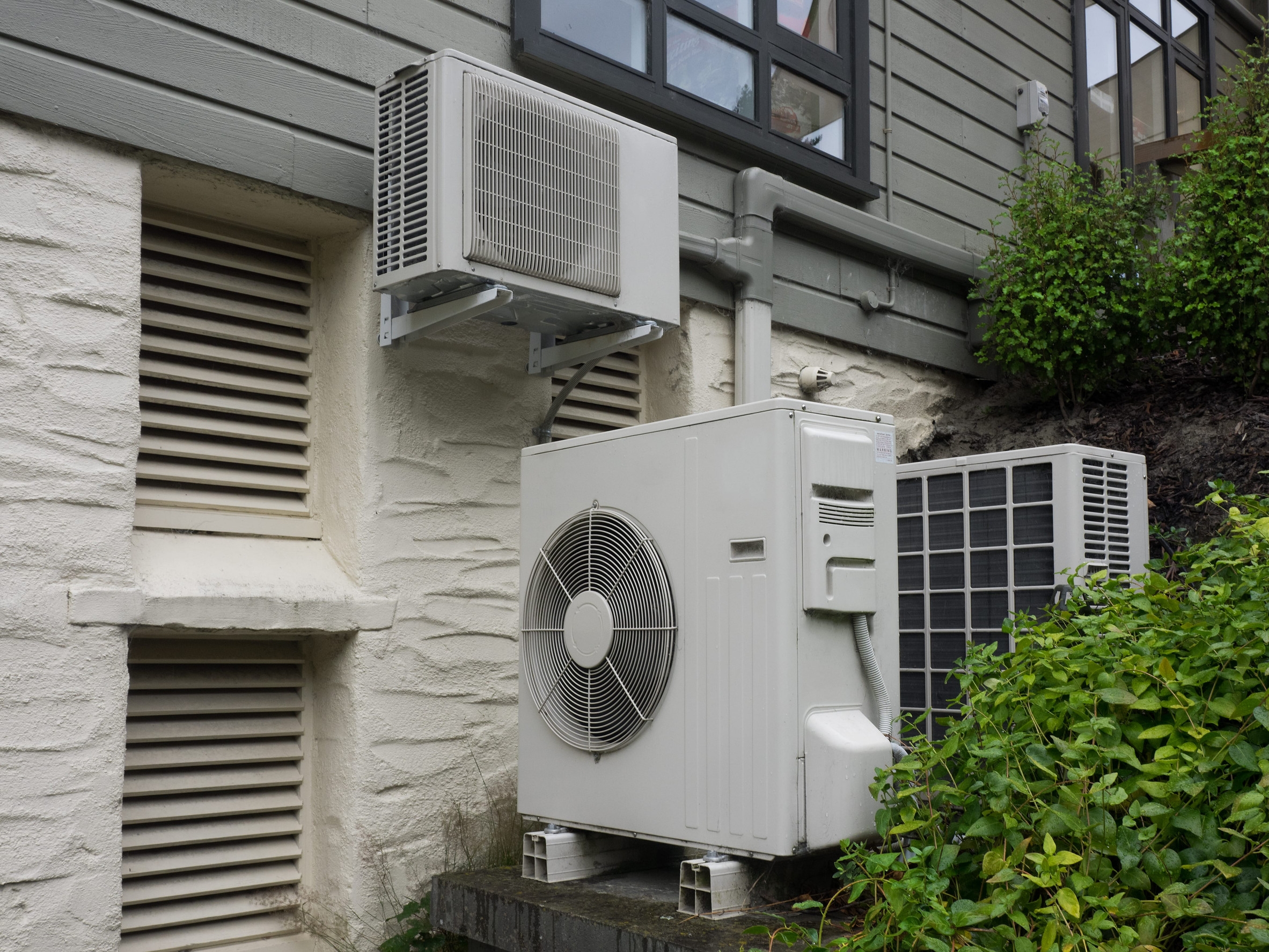
Choosing a new heating and cooling system is one of the most significant investments a homeowner in East Tennessee will make. With Knoxville’s distinct four-season climate—featuring sweltering, humid summers and chilly winter spells—having an efficient, reliable HVAC system is essential for year-round indoor comfort.
When replacing an aging heating and air system, homeowners generally choose between two primary mechanical configurations: a split system or a packaged unit. While both systems perform the core tasks of heating, cooling, and dehumidifying your living space, they differ substantially in architecture, installation requirements, energy efficiency profiles, and space utilization.
Understanding the structural differences, operational pros and cons, and installation factors specific to East Tennessee home design will help you decide which HVAC system is best suited for your Knoxville residence.
Understanding the HVAC Split System
A split system is the most common residential HVAC configuration in the United States. As the name implies, the components of a split system are divided ("split") into two primary physical locations: one unit outside the home and one unit inside.
+-----------------------------------------------------------------+
|                        SPLIT SYSTEM                             |
|                                                                 |
|   OUTDOOR LOCATION                      INDOOR LOCATION         |
|   +-------------------+                 +-------------------+   |
|   | Outdoor Cabinet   |  Refrigerant    | Indoor Cabinet    |   |
|   | - Compressor      | === Lines ====> | - Evaporator Coil |   |
|   | - Condenser Coil  | <============== | - Blower Fan      |   |
|   | - Condenser Fan   |                 | - Furnace/Air Hdlr|   |
|   +-------------------+                 +-------------------+   |
+-----------------------------------------------------------------+
How a Split System Works
In a standard cooling setup:
- The Outdoor Unit: Contains the compressor, outdoor condenser coil, and fan. Its primary role is to compress refrigerant and reject heat extracted from indoors into the outside air.
- The Indoor Unit: Located in a basement, attic, dedicated utility closet, or crawlspace. It typically houses an evaporator coil and a blower fan, often paired with a natural gas or electric furnace or an air handler.
- The Connection: Copper refrigerant lines (the "line set") and electrical wiring connect the indoor and outdoor components, allowing refrigerant to circulate continuously between them to transfer thermal energy.
Split systems come in several operational configurations. A conventional setup pairs an outdoor central air conditioner with an indoor gas furnace. Alternatively, all-electric split heat pumps provide both heating and cooling from a single outdoor heat pump paired with an indoor air handler. Homeowners exploring different heating mechanisms can review the trade-offs between a heat pump vs. furnace for Knoxville homes to determine which fuel source best fits their utility arrangement.
For homes without existing ductwork, ductless configurations like ductless mini-split systems offer zoned indoor units linked to a shared outdoor compressor.
Advantages of Split Systems
- Higher Energy Efficiency Ratings: Because indoor components are protected from extreme outdoor temperature variations, split systems can achieve higher Seasonal Energy Efficiency Ratio (SEER2) and Heating Seasonal Performance Factor (HSPF2) ratings than packaged equipment.
- Extended Component Lifespan: Crucial mechanical parts—such as the heat exchanger, indoor evaporator coil, blower motor, and control boards—remain indoors, safe from rain, snow, debris, and extreme temperature fluctuations.
- Flexible Indoor Zoning: Split systems easily accommodate multi-zone setups, variable-speed blowers, and advanced filtration media, allowing for custom airflow control across different levels of a multi-story home.
- Quieter Indoor Noise Profile: Newer split condensers feature sound-dampening insulation and swept-wing fan blades, keeping outdoor operation quiet while indoor blowers operate smoothly inside insulated mechanical rooms.
Disadvantages of Split Systems
- Requires Dedicated Indoor Footprint: You must designate interior floor or overhead space (attic, basement, garage, or utility closet) to house the indoor air handler or furnace.
- More Complex Installation Process: Installing a split system requires brazing copper refrigerant lines through exterior walls, charging the system with refrigerant on-site, and connecting complex indoor and outdoor electrical runs.
Understanding the Packaged HVAC Unit
Unlike a split system, a packaged unit consolidates all major heating and cooling components into a single, self-contained cabinet positioned entirely outdoors.
+-----------------------------------------------------------------+
|                       PACKAGED UNIT                             |
|                                                                 |
|   ALL COMPONENTS IN ONE OUTDOOR CABINET                         |
|   +---------------------------------------------------------+   |
|   | - Compressor           - Evaporator & Condenser Coils   |   |
|   | - Heating Assembly     - Blower Fan & Supply/Return     |   |
|   +---------------------------------------------------------+   |
|                                | |                              |
|                         Supply | | Return                       |
|                         Ducts  | | Ducts                        |
|                                v v                              |
|   +---------------------------------------------------------+   |
|   | HOME / LIVING AREA                                      |   |
|   +---------------------------------------------------------+   |
+-----------------------------------------------------------------+
How a Packaged Unit Works
In a packaged configuration, the compressor, evaporator coil, condenser coil, fan, and heating elements (whether gas burners, electric heat strips, or heat pump components) are engineered into a heavy-duty, weather-resistant cabinet.
- Airflow Distribution: The unit sits outside on a concrete ground pad or an elevated roof curb. Supply and return air ductwork passes directly through an exterior wall foundation or roof penetration to circulate conditioned air throughout the dwelling.
- Configuration Types: Packaged systems come in several variants:
- Packaged Gas/Electric Units: Feature an electric cooling system combined with a natural gas or propane furnace.
- Packaged Heat Pumps: Provide both heating and cooling using electric heat pump technology.
- Packaged Dual-Fuel Units: Combine an electric heat pump with a backup gas furnace, automatically selecting the most economical fuel source based on outdoor temperatures.
Advantages of Packaged Units
- Zero Indoor Footprint Required: Because every component resides outdoors, you gain valuable indoor closet, attic, or basement floor space that would otherwise be occupied by a furnace or air handler.
- Simplified Field Installation: Packaged units are pre-assembled, fully charged with refrigerant, and factory-tested before arrival. Installation primarily involves positioning the cabinet, securing the duct connections, and running electrical and gas lines.
- All Components in One Service Area: HVAC technicians can inspect, clean, and repair the entire mechanical system at a single exterior location without repeatedly entering your home.
Disadvantages of Packaged Units
- Exposure to Harsh Weather Conditions: Constant exposure to high heat, humidity, winter frost, heavy rain, leaves, pests, and lawn debris can accelerate cabinet rust, coil corrosion, and cabinet wear over time.
- Slightly Lower Max Efficiency Limits: Cabinet size limits and environmental exposure generally keep peak efficiency ratings for residential packaged units lower than those of high-end split systems.
- Outdoor Footprint Demand: The unit requires a clear, level exterior space on a ground pad or roof, which must meet local clearance codes and sit clear of yard drainage patterns.
Head-to-Head Comparison: Split System vs. Packaged Unit
To evaluate which setup best fits your home, compare how these two system designs perform across essential criteria.
In-Depth Factor Evaluation for Homeowners
1. Energy Efficiency and Operating Costs
Energy efficiency directly impacts your monthly utility payments to local providers like the Knoxville Utilities Board (KUB). Efficiency in cooling is rated via SEER2 (Seasonal Energy Efficiency Ratio 2), while heating efficiency is measured via AFUE (Annual Fuel Utilization Efficiency) for furnaces or HSPF2 for heat pumps.
Split systems lead the industry in peak energy efficiency ratings. Because indoor coils and air handling equipment operate within a semi-conditioned building envelope, they lose less thermal energy through cabinet transmission. High-efficiency split heat pumps can reach SEER2 ratings over 20.
Packaged units have improved significantly in efficiency, with many models reaching 14 to 18 SEER2. However, because the supply and return ducts originate outside the insulated building envelope, minor duct air leaks or radiant heat loss can lower real-world operating efficiency if ducts are not thoroughly sealed and insulated.
Before making a decision, research choosing the right SEER rating for East Tennessee to match seasonal efficiency capabilities with your expected household utility budget.
2. Lifespan, Weather Exposure, and Durability
Equipment longevity depends on mechanical wear, maintenance habits, and environmental exposure.
- Split Systems: The outdoor condenser unit experiences environmental weathering, but critical components—such as the ignition system, gas valve, primary control circuit board, indoor blower, and evaporator coil—are protected indoors. As a result, well-maintained split systems routinely operate reliably for 15 to 20 years.
- Packaged Units: Packaged systems feature durable, weather-resistant outer cabinets. However, ambient moisture, extreme temperature shifts, seasonal freezing, and pollen accumulation affect every mechanical component. In East Tennessee's humid climate, packaged units generally last 10 to 15 years before outdoor corrosion or component degradation requires system replacement.
3. Home Architecture and Spatial Constraints
Architectural constraints often dictate whether a split or packaged unit is feasible:
                  TYPICAL ARCHITECTURAL FIT
                  -------------------------

   SPLIT SYSTEM                       PACKAGED UNIT
   - Multi-story homes                - Single-story ranch homes
   - Homes with basements             - Homes on concrete slabs
   - Dedicated utility closets        - Low-clearance crawlspaces
   - Available attic space            - Flat roof residential structures
- When Split Systems Fit Best: Multi-story structures, modern custom builds, and homes equipped with a full basement or large attic space favor split systems. Vertical duct risers running through central chases deliver balanced airflow to upper floor bedrooms.
- When Packaged Units Fit Best: Single-story ranch homes, manufactured residences, and slab-on-grade houses constructed without an attic or basement benefit from packaged equipment. If your house lacks interior mechanical room space, placing a packaged unit outside keeps your indoor square footage open for living and storage.
Knoxville Climate and Regional Considerations
Knoxville’s geography within the Tennessee River Valley creates specific microclimate patterns that influence HVAC performance.
+-----------------------------------------------------------------+
|               KNOXVILLE SEASONAL HVAC DEMANDS                   |
|                                                                 |
|   SUMMER (June - Sept)                WINTER (Dec - Feb)        |
|   * High humidity & temp spikes       * Cold snaps down to 20s°F|
|   * Heavy dehumidification needed     * Modest heating demand   |
|   * High SEER cooling priority        * Heat pump or gas heat   |
+-----------------------------------------------------------------+
High Summer Humidity Management
East Tennessee summers bring high dew points and prolonged humidity. HVAC systems must remove indoor moisture effectively while cooling the air. Split systems with multi-stage or variable-speed compressors excel at low-speed, extended dehumidification cycles, keeping indoor air crisp and preventing mold growth without over-cooling your space.
Winter Temperature Spans
While East Tennessee avoids prolonged sub-zero winters, temperatures frequently drop into the 20s during December and January.
- A split gas/electric system or dual-fuel heat pump delivers rapid heat during cold winter nights.
- A packaged heat pump with auxiliary electric heat strips works effectively for standard single-story homes, though supplemental electric coils draw higher peak amperage during sudden drops in outdoor temperatures.
Local Housing Stock Variations
- Historic Overlay Districts (Old North Knoxville, Fourth & Gill, Sequoyah Hills): Older properties often feature limited interior space for ductwork or large indoor mechanical units. In these spaces, a package unit routed into a low foundation plenum or a ductless mini-split system helps preserve original hardwood floors, walls, and historical architecture.
- Suburban Subdivisions (Farragut, Hardin Valley, Powell, Halls): Modern suburban homes typically feature designated mechanical closets, tall attics, or finished basements designed around standard multi-stage split HVAC systems.
Financial Considerations: Upfront Costs vs. Long-Term Value
Evaluating system cost requires balancing initial installation fees against long-term energy savings and component lifespans.
+-----------------------------------------------------------------+
|                      HVAC FINANCIAL PROFILE                     |
|                                                                 |
|   SPLIT SYSTEM                        PACKAGED UNIT             |
|   [Higher Initial Equipment Cost]     [Lower Initial Install]   |
|   [Lower Long-Term Utility Bills]     [Slightly Higher Utility] |
|   [Longer Lifespan: 15-20 Yrs]        [Shorter Lifespan: 10-15] |
+-----------------------------------------------------------------+
Initial Equipment and Installation Expenses
Initial installation pricing depends on ductwork accessibility, electrical service upgrades, gas line routing, and brand tier. Reviewing the average cost of HVAC replacement in Knoxville helps set realistic expectations for your project scope.
Generally:
- Packaged Units feature lower upfront labor installation costs when replacing an existing packaged unit. Because duct connections and electrical hookups attach directly outside, installation takes less time.
- Split Systems often involve higher initial installation labor due to dual-location equipment mounting, refrigerant line set evacuation and charging, and complex indoor electrical wiring.
Long-Term Value and Utility Return
Although a high-efficiency split system requires a larger upfront investment, its superior SEER2/HSPF2 performance often yields lower monthly energy bills. Over a 15-to-20-year operational life, those monthly utility savings can offset the initial price difference.
Homeowners planning replacement projects can also explore flexible HVAC financing options to spread installation costs over manageable monthly payments while benefiting immediately from high-efficiency comfort.
Decision Matrix: Which Unit Should You Choose?
Use this checklist to determine which configuration matches your home’s layout, budget, and comfort requirements.
Select a Split System if:
- [ ] Your home has an accessible basement, attic, garage, or dedicated indoor utility closet.
- [ ] You prioritize maximum seasonal energy efficiency (SEER2 18+) and lower long-term KUB utility bills.
- [ ] You want your heating elements and primary electronic components protected from outdoor elements.
- [ ] You plan to stay in your home long-term (10+ years) and want a system with a longer operating lifespan.
- [ ] You live in a multi-story home that requires multi-zone temperature controls.
Select a Packaged Unit if:
- [ ] Your home lacks interior closet, attic, or basement space for an indoor air handler or furnace.
- [ ] You are replacing an existing packaged unit attached to crawlspace or ductwork penetrations through an exterior wall.
- [ ] You want to maximize interior storage or square footage by keeping all mechanical equipment outdoors.
- [ ] You prefer a simplified single-location installation that minimizes labor time inside your living area.
- [ ] You want a lower initial equipment installation cost.
The Importance of Professional Installation and Maintenance
Whether you select a split system or a packaged unit, proper system sizing and professional installation determine your equipment's actual efficiency, reliability, and operating lifespan.
An oversized system will cycle on and off rapidly, leaving your home humid and clammy during summer months. An undersized unit will run continuously on hot afternoons, straining mechanical components without reaching your desired thermostat setpoint.
+-----------------------------------------------------------------+
|             KEYS TO HVAC SYSTEM LONGEVITY & SAVINGS             |
|                                                                 |
|   1. ACCURATE LOAD CALCULATION  --> Matches system capacity     |
|   2. QUALIFIED INSTALLATION    --> Correct charge & airflow     |
|   3. BI-ANNUAL MAINTENANCE     --> Protects efficiency & warranty|
+-----------------------------------------------------------------+
Collaborating with a licensed contractor for professional AC installation ensures precise Manual J load calculations, correct duct sizing, proper refrigerant charging, and compliance with Knox County building codes.
Once installed, enrollment in a regular preventive HVAC maintenance plan protects your investment. Bi-annual tune-ups—cleaning coils, inspecting electrical contactors, testing heat exchangers, and verifying airflow balance—keep split and packaged systems operating reliably through extreme summer heat and winter freezes.
Finding the Right Fit for Your Knoxville Home
Both split systems and packaged units provide powerful, reliable heating and cooling tailored to different home layouts. By matching system architecture to your home's floor plan, storage needs, and long-term financial goals, you can select an HVAC unit that maintains exceptional indoor comfort across every season in East Tennessee.


