


Understanding the Benefits of a Whole House Air Purifier
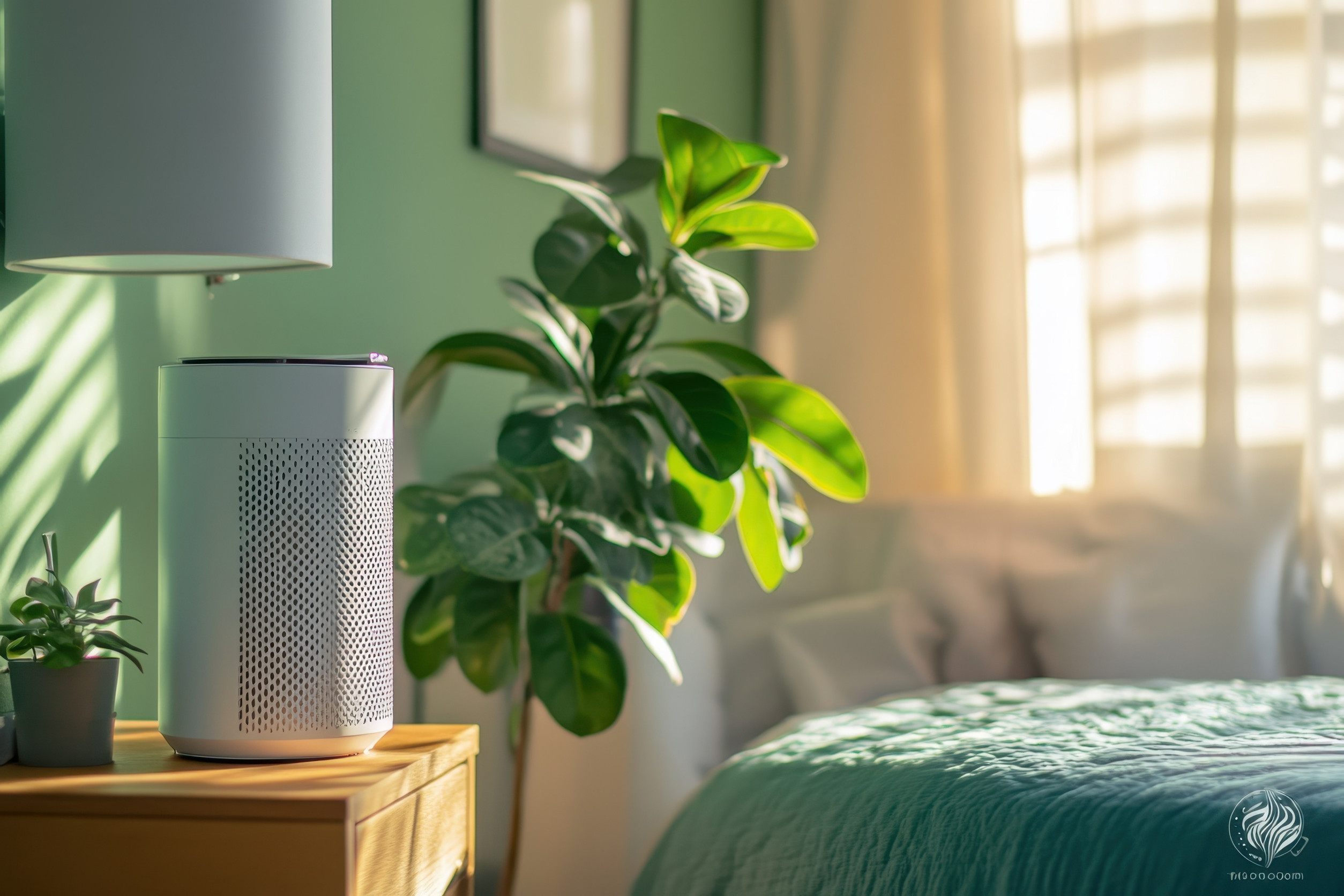
When it comes to creating a healthier home, most people think about cleaning surfaces, changing HVAC filters, or improving ventilation. While these steps matter, one of the most effective ways to improve indoor air quality is by installing a whole house air purifier. Unlike portable units that only clean the air in one room, a whole house system connects directly to your HVAC equipment to filter and purify all the air circulating through your home.
Dust, pollen, mold spores, bacteria, viruses, pet dander, smoke, and chemical fumes can easily accumulate indoors. Because most families spend the majority of their time inside, these airborne contaminants can lead to allergies, asthma flare ups, respiratory irritation, and unpleasant odors. A whole house air purifier helps remove these pollutants, providing cleaner, fresher, and healthier air throughout your home.
This article explains how whole house air purifiers work, the various types available, and the many benefits they offer. You will also learn how professional services from Advanced Heat, AC, & Plumbing can help you select and maintain the best system for your needs.
What Is a Whole House Air Purifier
A whole house air purifier is an advanced filtration system that is installed as part of your HVAC equipment. It treats all incoming air before it passes through your ductwork and into your living spaces. This makes it far more efficient and effective than stand alone air purifiers, which only clean a small area and must be moved from room to room.
Where whole house air purifiers are installed
- In the return air duct
- At the air handler
- Near the furnace or HVAC cabinet
By integrating with your HVAC system, a whole house purifier ensures every room receives clean, filtered air whenever the system runs.
How Whole House Air Purifiers Work
Whole house systems use a combination of filtration, purification, and air treatment technologies. Depending on the system, they may remove particles, neutralize odors, break down chemicals, or kill microorganisms.
Common purification methods include
- High efficiency particulate filters
- UV light purification
- Activated carbon filtration
- Ionization technology
- Electrostatic charges
Each system targets different types of contaminants, and many advanced models combine multiple purification methods for maximum effectiveness.
Types of Whole House Air Purifiers
There are several types of whole home air purifiers available. Choosing the right one depends on your home’s air quality concerns, your HVAC system, and the types of pollutants you want to eliminate.
1. Media Air Cleaners
Media air cleaners use large, pleated filters to trap dust, pollen, pet dander, and other airborne particles. They are highly effective at capturing debris that standard air filters miss.
Benefits
- Long lifespan (typically 6 to 12 months per filter)
- Higher filtration capacity
- Improved indoor air quality for allergy sufferers
Media filters are ideal for homeowners wanting a low maintenance upgrade.
2. HEPA Filtration Systems
HEPA filters are capable of capturing particles as small as 0.3 microns. These filters are widely used in hospitals and clean rooms because they trap extremely small airborne contaminants.
HEPA filters capture
- Mold spores
- Bacteria
- Fine dust
- Smoke particles
- Pollen
- Pet dander
Some HVAC systems may require modifications to support HEPA filtration, which can be evaluated by HVAC installation experts.
3. UV Light Air Purifiers
UV light systems are designed to kill microorganisms such as bacteria, viruses, and mold. They are often installed inside the HVAC air handler or near the evaporator coil to prevent microbial growth.
Benefits
- Reduces mold inside HVAC equipment
- Kills airborne bacteria and viruses
- Prevents unpleasant odors
UV light purification is excellent for improving hygiene and preventing biological contamination.
4. Activated Carbon Purifiers
Activated carbon filters are designed to eliminate odors, chemicals, and volatile organic compounds (VOCs). These purifiers work by absorbing gas molecules into their porous surface.
Effective for removing
- Smoke odors
- Chemical fumes
- Household cleaning product odors
- Cooking smells
Homeowners who struggle with indoor odors or chemical sensitivity often choose carbon based systems.
5. Ionizers and Electronic Air Cleaners
Electronic air cleaners charge particles in the air so they stick to oppositely charged filter plates or surfaces within the purifier.
Benefits
- Effective for fine particles
- Reduces airborne pollutants
- Low maintenance
Ionization systems are often combined with other filtration technologies for enhanced performance.
Benefits of Installing a Whole House Air Purifier
Whole house air purifiers provide advantages far beyond what portable units can offer. Below are the top benefits homeowners experience after upgrading their filtration system.
1. Cleaner, Healthier Indoor Air
A whole home air purifier can remove up to 99 percent of airborne contaminants depending on the model. This dramatically improves air quality for the entire household.
Cleaner air helps reduce
- Allergy flare ups
- Asthma symptoms
- Coughing and sneezing
- Headaches
- Sinus irritation
For families concerned about allergens, combining a whole house purifier with professional HVAC maintenance services ensures the system continues to operate at peak efficiency.
2. Reduced Dust and Easier Cleaning
Dust is one of the most common household complaints. A whole home purifier traps dust and debris before it enters your living spaces, significantly reducing the amount that settles on furniture, floors, and surfaces.
Less dust means
- Cleaner home environment
- Less frequent vacuuming and dusting
- Better protection for electronics and furniture
This is especially helpful in households with pets or carpeting.
3. Removal of Odors and Chemical Pollutants
Household odors can linger for hours or days, especially in tightly sealed modern homes. Air purifiers help eliminate odors caused by cooking, pets, smoke, and chemical cleaners.
Activated carbon based systems are particularly effective at removing
- VOCs
- Pet smells
- Strong fragrances
- Smoke particles
- Paint and solvent fumes
If your home has strong or recurring odors, an air purifier can make a dramatic difference.
4. Protection Against Airborne Viruses and Bacteria
Some whole house systems use UV lights or high efficiency filters to target airborne pathogens.
These systems help reduce
- Mold spores
- Bacteria
- Viruses
- Microorganisms that thrive in humid conditions
For homeowners worried about respiratory illness, a whole home purifier provides valuable peace of mind.
5. Improved HVAC System Efficiency
Clean air is beneficial not only for your health but also for the health of your HVAC equipment. Airborne dust, debris, and contaminants build up inside your system when filtration is inadequate.
Over time, this buildup can reduce efficiency and strain the system, increasing the risk of breakdowns. Installing a whole house purifier helps keep your HVAC components cleaner and operating smoothly.
For aging or underperforming systems, tune up assistance is available through HVAC repair and diagnostic professionals.
6. Whole Home Coverage
Unlike portable air purifiers that clean only a single room, whole house systems ensure that every area of your home receives filtered, purified air.
Benefits of whole home treatment
- Even air quality throughout the home
- No need to move portable units around
- Quiet operation
- Continuous air cleaning
This makes whole house systems ideal for larger homes, families with multiple allergy sufferers, and anyone who wants complete air purification.
7. Cost Effective Long Term Investment
While the upfront cost of a whole house air purifier may be higher than stand alone units, the long term savings make it a smart investment.
You save money by
- Reducing HVAC strain
- Lowering repair frequency
- Extending HVAC lifespan
- Using long lasting filters
- Improving energy efficiency
Many systems require only occasional filter changes or UV bulb replacements, making maintenance easy and affordable.
Signs You Need a Whole House Air Purifier
If you are unsure whether your home needs a whole house purification system, look for these common signs.
You may benefit from an air purifier if
- Your home has persistent dust buildup
- Family members experience allergies or asthma
- You smell odors from cooking or pets
- Your home feels stuffy or has poor ventilation
- You experience headaches or fatigue indoors
- You live near a busy road or industrial area
- You want fresher, cleaner indoor air
Homes with older HVAC systems may also see improved performance after adding enhanced filtration or considering new options through ductless mini split systems.
Professional Installation and Maintenance
Choosing the right whole house air purifier and ensuring proper installation is essential. These systems must be correctly sized and installed to work effectively with your existing HVAC equipment.
Professional services ensure
- Correct purifier selection
- Proper integration with HVAC system
- Safe electrical and mechanical installation
- Correct airflow balance
- System performance testing
After installation, regular maintenance ensures your purifier operates correctly for years to come. Homeowners who pair air purifiers with emergency ready HVAC services receive added protection and peace of mind.
DIY Tips to Support Air Purifier Performance
Although professional installation is essential, homeowners can improve air quality with simple habits.
Helpful tips
- Change HVAC filters regularly
- Keep windows closed during pollen seasons
- Clean vents and registers
- Vacuum carpets weekly
- Maintain stable indoor humidity
- Avoid indoor smoking
- Air out paints and solvents outdoors
These habits complement the work of a whole house air purifier and help maintain cleaner air.
FAQs About Whole House Air Purifiers
1. Are whole house purifiers better than portable units?
Yes. They treat the entire home, integrate with your HVAC system, and require less maintenance.
2. Will a whole house purifier work with my existing HVAC system?
Most systems can be adapted, but a technician must evaluate compatibility.
3. Do whole house purifiers remove odors?
Yes, especially systems with activated carbon filtration.
4. How often do filters need to be replaced?
Most whole house systems require replacement every 6 to 12 months depending on usage.
5. Do whole house air purifiers help with allergies?
Absolutely. They remove dust, pollen, mold, and dander that trigger allergy symptoms.
Conclusion
A whole house air purifier is one of the most effective ways to improve indoor air quality and create a healthier, more comfortable home environment. By integrating directly with your HVAC system, these purifiers remove pollutants, reduce odors, improve airflow, and protect both your family and your heating and cooling equipment.
For expert guidance on selecting, installing, and maintaining a whole house air purifier, trust the experienced technicians at Advanced Heat, AC, & Plumbing. With high quality products and reliable service, they can help you enjoy fresher, cleaner indoor air year round.


