


Utility Sink Installation in Your Garage or Laundry Room: A Knoxville Plumber's Guide
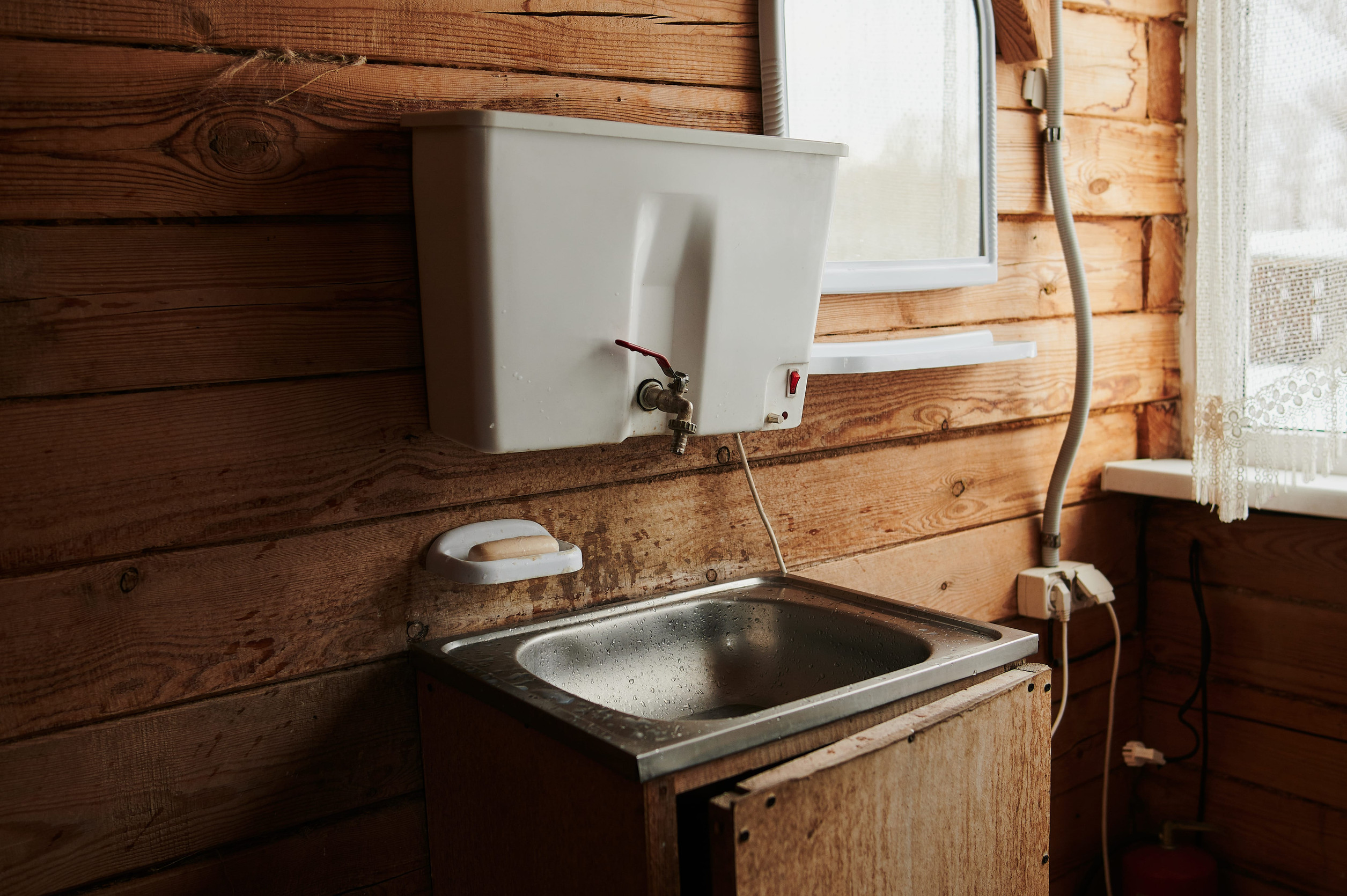
A utility sink is one of the most practical plumbing upgrades a homeowner can make. Unlike kitchen or bathroom sinks, utility sinks are designed for heavy-duty tasks that would otherwise make a mess inside the home. Whether you're cleaning paint brushes, washing muddy boots, filling mop buckets, rinsing gardening tools, bathing pets, or handling laundry pre-treatment, a utility sink provides a dedicated workspace that protects the rest of your plumbing fixtures.
For Knoxville homeowners, installing a utility sink is often more involved than simply connecting a faucet. Water supply lines, drain capacity, venting requirements, local plumbing codes, and garage or laundry room layouts all determine whether the installation will perform reliably for years to come.
At Advanced Heating & Air Conditioning, we regularly install utility sinks throughout East Tennessee as part of remodeling projects, garage upgrades, laundry room renovations, and new plumbing installations. Understanding what's involved helps homeowners choose the right sink while avoiding costly plumbing mistakes.
Why Install a Utility Sink?
A utility sink provides a dedicated location for jobs that should not be performed in kitchen or bathroom sinks.
Unlike decorative fixtures, utility sinks are designed for durability, larger water volumes, and easier cleaning.
Homeowners commonly use them for:
- Hand washing delicate clothing.
- Cleaning paint brushes and rollers.
- Rinsing gardening equipment.
- Cleaning HVAC air filters.
- Filling mop buckets.
- Washing pets.
- Cleaning sports equipment.
- Removing dirt before entering the home.
Separating these tasks from household sinks helps reduce wear on kitchen plumbing while keeping food preparation areas cleaner.
Choosing the Right Location
The installation location affects nearly every part of the project.
Most utility sinks are installed in:
- Laundry rooms.
- Garages.
- Mudrooms.
- Basements.
- Workshops.
- Utility rooms.
The ideal location should provide easy access to both water supply lines and an existing drain.
The farther the sink is from existing plumbing, the more labor and materials will be required.
Garage Utility Sinks Require Special Planning
Garage installations often present unique plumbing challenges.
Unlike finished interior spaces, garages may not already contain drain piping or hot water lines.
A plumber may need to install:
- New hot and cold water supplies.
- A dedicated drain line.
- A properly vented trap.
- Wall-mounted shut-off valves.
- Pipe insulation if freezing temperatures are possible.
Because many Knoxville garages are located along exterior walls, protecting exposed plumbing from winter temperatures is especially important.
Learning how to keep your pipes from freezing in winter can help homeowners understand why proper pipe placement and insulation matter.
Laundry Rooms Are Often the Easiest Installation
Laundry rooms already contain many of the plumbing connections a utility sink needs.
Nearby water supply lines and drain piping often reduce installation complexity.
However, adding another plumbing fixture still requires proper sizing of the drainage system.
The sink cannot simply drain into the washing machine standpipe without ensuring the plumbing system can safely handle both fixtures.
Selecting the Right Utility Sink Material
Utility sinks are available in several materials.
Each offers different advantages depending on how the sink will be used.
Stainless Steel
Stainless steel sinks resist corrosion, tolerate hot water, and clean easily.
They are popular for garages, workshops, and laundry rooms where durability is important.
Thermoplastic
Plastic utility sinks are lightweight, affordable, and resistant to stains.
They work well for general household cleaning and laundry applications.
Cast Iron
Cast iron utility sinks provide exceptional durability but require additional floor support because of their weight.
Composite Materials
Modern composite sinks combine durability with improved scratch and stain resistance while offering multiple color options.
Choosing the Right Faucet
The faucet should match how the utility sink will be used.
Popular options include:
- High-arc faucets.
- Pull-down sprayers.
- Wall-mounted faucets.
- Commercial-style utility faucets.
- Two-handle utility faucets.
If you'll frequently fill buckets or wash large equipment, a taller faucet provides additional clearance.
Drain Size Matters More Than Many Homeowners Realize
Utility sinks often handle more debris than standard sinks.
Lint, dirt, pet hair, paint residue, sand, and cleaning materials all place additional demands on the drainage system.
Using the correct drain size helps prevent frequent clogs.
Professional plumbers also verify that the existing drain system can safely carry the expected water volume.
Preventing future drain problems begins with proper installation rather than relying on repairs later. Homeowners can also learn about the benefits of professional drain cleaning to keep household drains flowing properly.
Proper Venting Is Required
Every plumbing fixture requires proper venting.
Without a vent, water flowing down the drain can create negative pressure that pulls water out of the sink's trap.
When that happens, sewer gases may enter the home.
A properly vented utility sink protects:
- Drain performance.
- Trap seals.
- Indoor air quality.
- Overall plumbing efficiency.
Professional installation ensures the new sink complies with local plumbing codes while functioning properly.
Should You Install Hot and Cold Water?
Some homeowners initially consider installing only a cold water connection.
While this may reduce installation costs, hot water greatly expands the sink's usefulness.
Hot water is beneficial for:
- Removing grease.
- Cleaning paint brushes.
- Laundry stain treatment.
- Pet bathing.
- Sanitizing equipment.
- General household cleaning.
If plumbing work is already being performed, adding both hot and cold water often provides greater long-term value.
Protecting Your Home From Backflow
Any plumbing fixture connected to your home's potable water supply should protect against contamination.
Depending on how the utility sink is used, local plumbing codes may require additional backflow protection.
This is especially important if hoses, chemical sprayers, or cleaning equipment could potentially create cross-connections.
Homeowners interested in understanding this important safety feature can read more about how backflow prevention protects your drinking water.
Water Pressure Can Affect Sink Performance
A utility sink should provide enough water pressure to handle demanding cleaning tasks.
If your home already experiences weak water flow, installing another plumbing fixture may reveal existing pressure issues.
Common causes include:
- Pressure reducing valve problems.
- Mineral buildup.
- Partially closed shut-off valves.
- Pipe corrosion.
- Water supply restrictions.
If you've noticed poor flow elsewhere in the home, reviewing how to improve water pressure at home can help explain possible causes before adding new plumbing fixtures.
Don't Ignore Water Quality
Utility sinks often become the primary location for filling buckets, rinsing tools, washing pets, and cleaning equipment.
If your home's water contains excessive minerals, sediment, or iron, these contaminants can stain sinks and reduce faucet performance over time.
Installing appropriate filtration or water treatment may improve both water quality and fixture longevity.
Many East Tennessee homeowners choose to upgrade their water quality after learning about water filtration and treatment systems that protect plumbing fixtures throughout the home.
Utility Sinks Can Help Protect Your Indoor Plumbing
One overlooked benefit of a utility sink is that it reduces wear and tear on your kitchen and bathroom plumbing fixtures. Instead of rinsing muddy boots, cleaning paint trays, washing gardening tools, or emptying mop buckets into decorative sinks, these tasks are handled by a fixture built for heavier use.
This helps protect:
- Kitchen sink finishes.
- Bathroom faucets.
- Garbage disposals.
- Drain assemblies.
- Cabinet interiors from accidental spills.
Over time, separating heavy-duty cleaning tasks from everyday household fixtures can extend the lifespan of your plumbing system.
Adding a Utility Sink During a Remodel Is Usually More Cost Effective
If you're already renovating a garage, laundry room, basement, or mudroom, it often makes financial sense to install a utility sink while plumbing is already being modified.
Since walls may already be open and plumbing access is available, installation is generally less labor-intensive than adding a sink after the renovation is complete.
Many homeowners include utility sinks as part of larger renovation projects because they add daily convenience while increasing the home's functionality.
If you're planning additional plumbing upgrades, reviewing an essential plumbing checklist for your home renovation project can help ensure every important consideration is addressed before construction begins.
Does a Utility Sink Increase Home Value?
A utility sink may not increase a home's value as dramatically as a kitchen remodel or bathroom renovation, but it often adds practical appeal for future buyers.
Features that improve everyday functionality are especially attractive in:
- Homes with dedicated laundry rooms.
- Large garages.
- Workshops.
- Properties with extensive landscaping.
- Homes owned by pet owners.
Well-installed plumbing improvements also demonstrate that the home has been thoughtfully maintained.
Maintenance Is Simple
Utility sinks require very little maintenance compared to many other plumbing fixtures.
Homeowners should periodically:
- Inspect supply lines for leaks.
- Check shut-off valves.
- Clean the drain.
- Inspect the faucet for drips.
- Ensure the trap remains free of debris.
- Verify proper drainage.
Simple maintenance prevents minor issues from becoming expensive plumbing repairs.
Scheduling periodic inspections also aligns with the recommendations discussed in how often should you inspect your plumbing.
Signs Your Existing Utility Sink Needs Replacement
Older utility sinks eventually wear out, especially if they have seen decades of heavy use.
Common signs include:
- Persistent leaks.
- Rust or corrosion.
- Cracked sink basins.
- Loose mounting hardware.
- Recurring drain clogs.
- Low water pressure.
- Damaged supply valves.
- Outdated plumbing connections.
Replacing an aging utility sink before it fails completely can prevent water damage while improving convenience and efficiency.
When Should You Call a Professional Plumber?
Although some utility sink kits are marketed toward DIY homeowners, professional installation provides several important advantages.
You should contact a licensed plumber if:
- New water supply lines must be installed.
- A drain connection does not already exist.
- The installation requires cutting concrete or finished walls.
- The plumbing must be vented.
- You are adding the sink in a garage or basement.
- Your home has older plumbing materials.
- You are relocating existing plumbing.
- Local plumbing permits may be required.
Professional installation ensures your new utility sink operates safely, drains properly, complies with local building codes, and integrates correctly with the rest of your plumbing system.
Why Knoxville Homeowners Choose Advanced Heating & Air Conditioning
Installing a utility sink may appear straightforward, but every plumbing system is different. Proper sizing of drain lines, water supply connections, venting, shut-off valves, and fixture placement all contribute to long-term reliability.
At Advanced Heating & Air Conditioning, our experienced plumbing professionals help homeowners throughout Knoxville and East Tennessee complete plumbing upgrades that are built to last. Whether you're adding a utility sink to a laundry room, finishing a garage workshop, remodeling your home, or upgrading aging plumbing, we provide solutions designed around your home's unique plumbing system.
Our team offers upfront pricing, professional workmanship, and honest recommendations. We evaluate the entire plumbing system rather than focusing only on the new fixture, helping identify potential issues before they become expensive repairs.
From water line installations and drain repairs to fixture replacements, water heater services, leak detection, and complete plumbing remodels, homeowners throughout East Tennessee trust Advanced Heating & Air Conditioning for dependable service and quality results.
Final Thoughts
A utility sink is one of the most versatile plumbing upgrades available for today's homeowner. Whether installed in a garage, laundry room, mudroom, basement, or workshop, it creates a dedicated space for cleaning tasks that would otherwise place unnecessary wear on kitchen and bathroom fixtures.
Choosing the proper location, selecting durable materials, ensuring adequate drainage, installing proper venting, and protecting water quality all contribute to a successful installation. While some projects may appear simple, professional plumbing installation helps ensure the new sink performs efficiently while complying with local plumbing codes.
If you're considering adding a utility sink to your Knoxville home, working with an experienced plumbing contractor ensures every part of the installation is completed correctly from the start. With proper planning and professional installation, a utility sink can provide decades of reliable service while adding convenience, functionality, and value to your home.


