


What's Included in an HVAC Maintenance Plan for Knoxville Homes
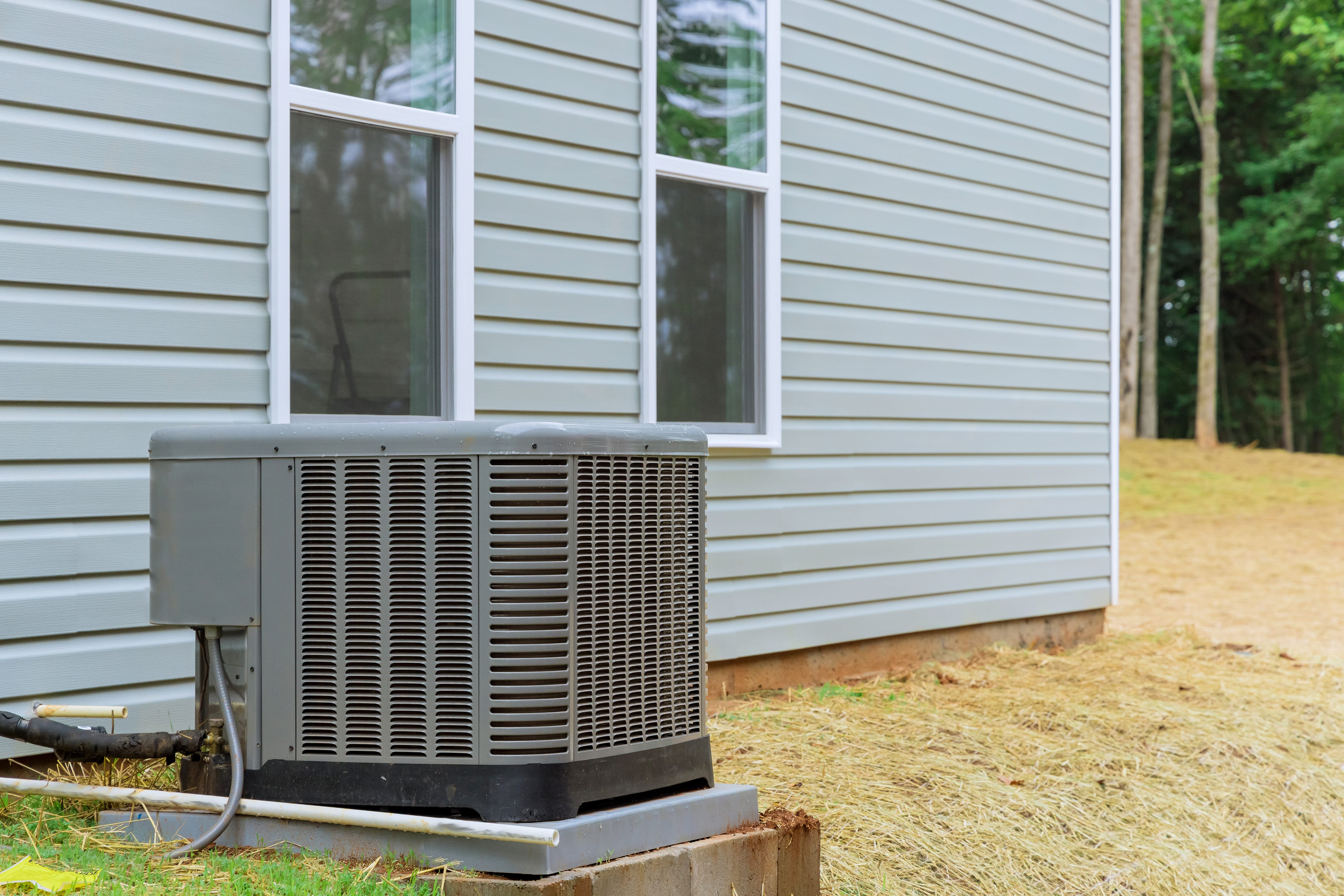
In East Tennessee, our home comfort systems face a relentless workload. From sweltering, high-humidity summer afternoons where temperatures routinely climb past 90°F to sudden winter freezes rolling down from the Great Smoky Mountains, our heating and cooling equipment works hard nearly twelve months a year.
Because Knoxville experiences dramatic seasonal temperature swings and heavy atmospheric moisture, residential HVAC systems undergo significant mechanical wear and tear. Without regular professional attention, dust accumulates on delicate coils, electrical components degrade under heat stress, and condensate lines choke on biological growth.
Eventually, neglected systems suffer unexpected breakdowns—usually on the hottest day of July or the coldest night of January.
To avoid costly emergency repairs and keep monthly electric bills manageable, many property owners invest in a structured service agreement. But what actually happens during these scheduled visits? Is a maintenance agreement just an expensive filter change, or is it a comprehensive engineering audit?
This article provides a detailed look at what is included in a professional HVAC maintenance plan tailored specifically for Knoxville homes, demonstrating how proactive care protects your equipment, your safety, and your wallet.
1. The Spring/Summer Cooling Precision Audit
As spring transitions into summer, your air conditioning system (or heat pump in cooling mode) must prepare to extract massive amounts of heat and moisture from your living spaces. During the spring maintenance visit, a licensed technician performs a comprehensive series of thermodynamic, electrical, and airflow checks.
+--------------------------------------------------------------------------+
|                  SPRING COOLING PRECISION CHECKLIST                      |
+--------------------------------------------------------------------------+
|  [Refrigerant Check]   --> Measures superheat & subcooling pressures     |
|  [Coil Wash]           --> Rinses spring tree pollen & grass from fins   |
|  [Drain Flush]         --> Sanitizes condensate pan & prevents slime     |
|  [Electrical Audit]    --> Tests microfarad values on start capacitors    |
|  [Airflow Calibration] --> Checks static pressure & blower fan speed    |
+--------------------------------------------------------------------------+
Chemical Refrigerant Charge & Pressure Calibration
Refrigerant does not wear out or get consumed like fuel; it flows through a sealed closed-loop system. During your spring visit, the technician attaches digital manifold gauges to verify the exact system pressures.
They calculate superheat and subcooling levels to determine if the refrigerant charge matches factory specifications. A system that is low on refrigerant by even 10% can suffer a 20% drop in operating efficiency, while an overcharged system risks flooding liquid refrigerant back into the compressor, causing instant motor destruction.
Outdoor Condenser Coil Deep Clean
Knoxville's heavy spring pollen season blankets outdoor condenser units in a sticky yellow film. Combined with grass clippings, dirt, and fallen leaves, this debris blocks the aluminum fins on your outdoor unit.
The technician uses specialized, non-corrosive coil cleaner and water pressure to thoroughly wash the fins from the inside out. Removing this insulating blanket of dirt allows the condenser coil to release heat efficiently into the outdoor air, reducing compressor strain and lowering your electric bill.
Condensate Line Sanitation and Drain Pan Flush
On a humid August afternoon in East Tennessee, a residential AC system can pull over 10 gallons of moisture out of your indoor air every single day. This water drains into an indoor drip pan and flows through a PVC drain line.
Because that dark, damp drain line contains microscopic organic matter, algae and bacterial slime thrive inside it. During a maintenance visit, the technician flushes the drain line, inspects the secondary safety overflow switches, and treats the drain pan with anti-microbial pan tablets. This simple step prevents clogged drain lines from backing up and causing thousands of dollars in water damage to your ceilings and floors.
Electrical Component Diagnostics
Heat degrades electrical components over time. The technician tests several vital electrical parts:
- Capacitor Rating Verification: Capacitors give fan motors and compressors the boost needed to start up. Technicians measure their storage capacity in microfarads. If a capacitor's strength has dropped below its safe threshold, it is replaced before it fails and burns out the motor.
- Contactor Inspection: The contactor is a heavy-duty mechanical switch that sends high-voltage power to the outdoor unit. Technicians inspect the contact surfaces for pitting, burn marks, or bug infestations that could prevent the switch from closing properly.
- Tightening Electrical Connections: Vibration from normal operation can loosen high-voltage wire connections, creating electrical resistance, high heat, and potential fire hazards.
If these electrical checks reveal a failing motor or severely pitted contacts, taking care of these issues right away via professional AC repair services prevents a sudden breakdown during a peak heatwave.
2. The Fall/Winter Heating Precision Audit
When autumn arrives, the maintenance focus shifts to heating efficiency, indoor air quality, and household safety. Whether your home uses a natural gas furnace, an electric heat pump, or a dual-fuel hybrid system, the fall tune-up ensures your equipment is ready to handle cold winter weather.
+--------------------------------------------------------------------------+
|                  FALL HEATING PRECISION CHECKLIST                        |
+--------------------------------------------------------------------------+
|  [Safety Inspection]   --> Audits heat exchanger for cracked steel       |
|  [Combustion Check]    --> Cleans gas burners & checks blue flame        |
|  [Defrost Calibration] --> Tests heat pump reversing valve & sensors    |
|  [Venting Analysis]    --> Inspects flue pipe for draft blockages        |
|  [Airflow Balancing]   --> Adjusts indoor blower for even heat distribution|
+--------------------------------------------------------------------------+
Heat Exchanger Safety Audit (Gas Furnaces)
For homes with natural gas or propane furnaces, the heat exchanger safety audit is the most critical part of the winter visit. The heat exchanger is the metal chamber that separates dangerous combustion gases from the clean air circulating through your home.
Over time, constant heating and cooling cycles cause the metal walls to expand and contract, which can lead to stress cracks. A cracked heat exchanger can leak odorless, colorless carbon monoxide (CO) gas into your living spaces.
The technician visually inspects the chamber, tests burner flame patterns, and uses specialized electronic combustion analyzers or camera scopes to confirm the exchanger is completely sealed and safe to operate.
Gas Burner Assembly & Ignition Cleaning
Over months of disuse during the summer, dust, spiderwebs, and rust flakes settle across your furnace’s gas burners and flame sensors. The technician removes and cleans the flame sensor rod, clears the burner ports, and tests the hot-surface igniter. Clean burners ensure smooth fuel ignition, preventing loud booms caused by delayed gas buildup.
Heat Pump Defrost Cycle and Reversing Valve Test
If your home relies on an electric heat pump for winter warmth, the fall service visit focuses on cold-weather performance. During winter operation, moisture in the outdoor air freezes on the outdoor coil fins. The heat pump must periodically enter a "defrost cycle" to melt this ice buildup.
The technician tests the defrost control board, outdoor temperature sensors, and the reversing valve to ensure the unit melts ice efficiently without blowing cold air into your home for extended periods.
Flue Pipe and Draft Verification
Combustion byproducts must vent safely out of your home through a flue pipe. Technicians inspect the entire vent pipe assembly to verify there are no loose joints, rust holes, or bird nests blocking the pipe, ensuring toxic gases exhaust cleanly through the roof.
3. Beyond the Tune-Up: VIP Member Perks & Plan Benefits
A high-quality maintenance plan provides more than just two annual technical visits. It acts as an all-inclusive service program that gives homeowners priority access, financial protection, and peace of mind year-round.
       [ ANNUAL MAINTENANCE PLAN MEMBERSHIP ]
                          |
      +-------------------+-------------------+
      |                                       |
      v                                       v
[ Technical Care ]                   [ VIP Membership Perks ]
* Spring AC Tune-Up                  * Priority Emergency Scheduling
* Fall Heating Audit                 * Discounted Repair Parts
* Air Filter Inspections             * Waived Diagnostic Fees
* System Safety Checks               * Manufacturer Warranty Compliance
Enrolling in a comprehensive HVAC service plan usually includes several valuable ongoing benefits:
- Priority Emergency Scheduling: When severe weather strikes, HVAC repair requests skyrocket. Maintenance plan members bypass the regular waiting line, receiving fast priority service even during peak summer and winter rush periods.
- Discounted Parts and Labor: If your system ever needs a replacement part—such as a fan motor, relay, or transformer—plan members receive an automatic discount (typically 10% to 15%) on all repairs.
- Waived or Reduced Diagnostic Fees: Many agreements waive standard service call charges or offer discounted diagnostic rates when a technician visits your home to evaluate a problem.
- Manufacturer Warranty Preservation: Fine print in nearly all major HVAC equipment warranties states that the 5-to-10-year parts warranty is voided if the system is not maintained annually by a licensed professional. A maintenance plan keeps your service history documented, ensuring your warranty coverage remains active if a major part fails.
4. Local Environmental Factors Impacting Knoxville HVAC Systems
Generic HVAC maintenance advice often ignores the specific regional conditions of East Tennessee. Understanding our local geography highlights why consistent care is essential in Knox, Blount, and Sevier counties.
Heavy Tree Pollen Blankets
In April and May, Knoxville routinely ranks high on national allergy lists. Oak, pine, and birch trees release dense clouds of yellow pollen that settle over outdoor condenser units. This sticky debris forms an insulating mat across condenser fins, forcing compressors to draw excessive electrical current and run at high internal temperatures.
[ Ambient Outdoor Air ] ---> [ Pollen & Dust Fin Blanket ] ---> [ Overheated Coils ]
                                                                        |
               (Result: Higher electric bills & risk of compressor failure)
Extreme Summer Humidity
Our close proximity to the Tennessee River and surrounding lakes means summer heat index values frequently exceed 100°F, driven by high relative humidity. Because your air conditioner must remove both heat and humidity, condensate drain systems carry heavy water volume for months at a time. Without regular cleaning, biological algae grow quickly in these damp drain lines, leading to water damage.
Heat Pumps Working Double Duty
Many Knoxville subdivisions rely on all-electric heat pump systems. Unlike standalone air conditioners that sit dormant through fall and winter, a heat pump runs year-round—cooling in summer and reversing to heat in winter. Because heat pumps experience twice the operational wear of single-season systems, scheduling routine seasonal preventive maintenance twice a year is vital to prevent premature mechanical failure.
5. Financial ROI: How a Maintenance Plan Pays for Itself
Many property owners view an HVAC service agreement as an extra monthly expense. However, when you look at the operational savings over a 10-to-15-year equipment lifecycle, a maintenance plan provides a clear financial return on investment.
Lower Monthly Utility Bills
According to research from the U.S. Department of Energy, regular tune-ups can reduce your monthly energy consumption by up to 15%. Keeping coils clean, fan motors lubricated, and refrigerant levels balanced allows your system to cool and heat your home faster while drawing less power from the grid.
To learn more about keeping your utility bills manageable throughout the year, review our helpful guide on ways to save money on HVAC costs.
6. What Homeowners Should Do Between Professional Tune-Ups
While technical adjustments must be handled by trained professionals, homeowners play an important role in keeping their HVAC systems running smoothly between scheduled service visits:
- Change Air Filters Regularly: Check 1-inch pleated filters every 30 days and replace them at least every 60 to 90 days. A dirty air filter restricts airflow, forcing the blower motor to work harder and risking a frozen indoor coil.
- Keep 2 Feet of Clearance Around Outdoor Units: Trim back decorative bushes, tall grass, and weeds from your outdoor condenser unit to maintain clear airflow around the coils.
- Keep Vents Clear: Ensure interior supply registers and return air grilles are open and unobstructed by furniture, rugs, or drapes. Blocking vents alters system static pressure, putting unnecessary strain on the indoor fan motor.
Partner with Knoxville's Local HVAC Experts
Your heating and cooling system is one of the largest mechanical investments in your home. Protecting that investment requires more than emergency repairs when something breaks—it takes consistent, knowledgeable care from a team that understands East Tennessee's unique climate.
If your aging HVAC system requires frequent repairs despite regular maintenance, upgrading to a modern, high-efficiency system through a new AC installation can eliminate chronic breakdown risks and significantly reduce your monthly energy costs.
At Advanced Heat, AC & Plumbing, we have spent over 40 years keeping homes across Knoxville, Blount County, and surrounding communities comfortable through every season. As a third-generation, veteran-owned local family business, we take pride in delivering honest service, clear communication, and dependable workmanship.
Our comprehensive maintenance plans are tailored to meet the specific demands of East Tennessee homes, helping your equipment run efficiently, stay safe, and last as long as possible.
Explore our full range of options for reliable heating and cooling in Knoxville to learn how our experienced team can care for your home's HVAC system.
📞 Ready to protect your comfort, lower your utility bills, and gain peace of mind year-round? Call Advanced Heat, AC & Plumbing today at 865-933-5538 to enroll in a personalized HVAC maintenance plan!


