


Why Regular Duct Cleaning Matters for Knoxville Air Quality
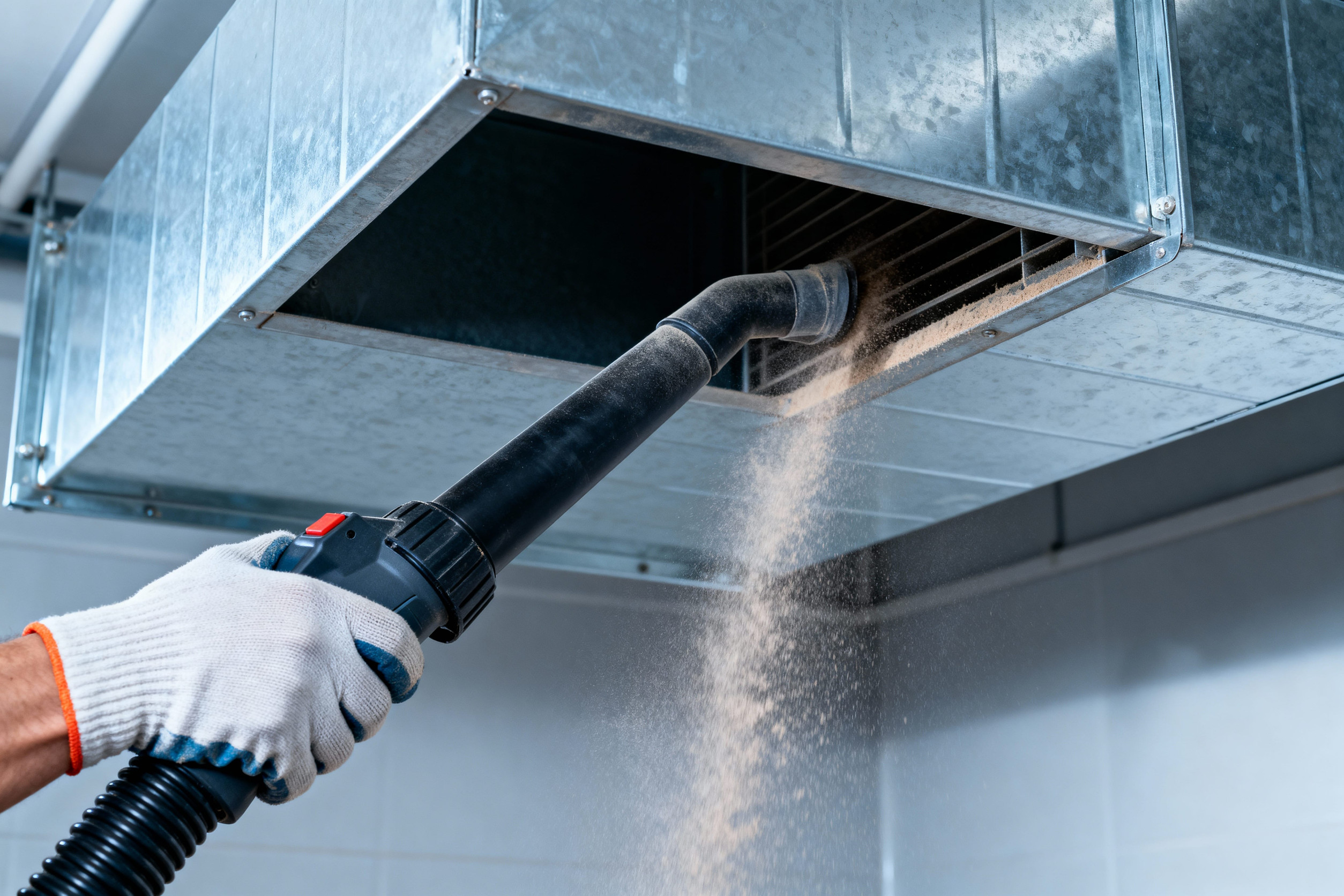
Knoxville homeowners face a unique combination of environmental factors that make maintaining clean indoor air both a challenge and a necessity. Nestled within the Tennessee Valley and framed by the Great Smoky Mountains, our region experiences heavy seasonal pollen, high relative humidity, and atmospheric topography that often holds outdoor pollutants close to the ground. While many residents focus on replacing furnace filters or checking regional air quality indexes, the ductwork running through your home's attic, crawlspace, or basement plays a far more direct role in the daily air you breathe. Over months and years of continuous heating and cooling, forced-air HVAC systems accumulate dust, pollen, pet dander, mold spores, and airborne debris. Every time your air conditioner or furnace cycles on, these trapped contaminants recirculate throughout your living spaces. Regular duct cleaning removes this buildup, serving as a critical line of defense for indoor air quality, system efficiency, and household wellness.
The Geography of East Tennessee and Your Home’s Air Supply
East Tennessee is nationally recognized for its natural beauty, but it is equally famous among allergists for its challenging seasonal allergen counts. The geographic structure of the Knoxville valley acts as a natural basin. Weather patterns routinely trap airborne particles—such as tree pollen in early spring, grass pollen during summer, and ragweed throughout the autumn—creating dense, lingering particulate conditions. Additionally, damp mountain air combined with warm Southern summers creates an ideal environment for mold spores to thrive outdoors.
When doors and windows open, or when air is pulled in through standard home ventilation, these localized particulate heavyweights enter your living environment. Once inside, they draw toward the return vents of your HVAC system. While high-grade filtration stops a portion of these particles, microscopic allergens inevitably bypass filters or enter through unsealed duct joints in unconditioned crawlspaces and attics. Over time, these pollutants settle inside supply lines and trunk ducts. Implementing practical solutions for reducing allergens and pollutants in your home begins with recognizing that your HVAC duct network is not a passive conduit, but an active repository for local environmental debris.
What Accumulates Inside Knoxville Air Ducts?
To understand why duct cleaning is necessary, it helps to examine what actually settles inside an uncleaned ventilation system over several years. The average residential duct system collects up to 40 pounds of dust and particulate matter annually. This hidden accumulation consists of a complex mix of organic and inorganic substances:
- Dead Skin Cells and Dust Mites: Human skin flakes account for a major portion of household dust, serving as the primary food source for dust mites. Microscopic dust mite droppings are a top trigger for chronic indoor allergies and asthma flare-ups.
- Pet Dander and Fur: Even meticulous pet owners find that microscopic dander bypasses regular vacuuming, clinging to the interior lining of sheet metal and flexible ductwork.
- Pollen and Botanical Debris: Fine plant dust carried indoors on clothing, footwear, and outdoor gear settles inside duct bends where air velocity naturally drops.
- Pest Droppings and Organic Fragments: Crawlspaces and attics in East Tennessee frequently host insects, rodents, or spiders. Pest droppings, shed exoskeletons, and decomposed organic material can accumulate inside leaky or compromised ductwork.
- Construction and Drywall Dust: Homes built or remodeled in growing Knox County communities frequently contain residual drywall powder, sawdust, and masonry grit inside duct runs if registers were left unsealed during renovation work.
When your heating or cooling system turns on, air blows across this layer of debris at high speeds. This continuous recirculation means your family repeatedly breathes air that has scrubbed against years of settled detritus. Exploring the specific how professional air duct cleaning improves your health reveals how removing these physical layers directly decreases respiratory irritation, sinus congestion, and morning throat dryness.
Warning Signs Your Knoxville Home Needs Immediate Duct Cleaning
While air ducts remain hidden behind drywall and floor joists, several clear warning signs indicate that your air delivery network requires professional cleaning:
The Humidity Threat: Mold and Microbial Growth in East TN
High humidity is a defining feature of East Tennessee summers. Relative humidity in Knoxville routinely climbs above 70% during peak summer heat. When cool, air-conditioned air passes through ductwork located in hot, humid spaces like unconditioned attics or crawlspaces, condensation forms along duct walls and register boots.
Darkness, moisture, and organic dust create a perfect breeding ground for mold, mildew, and bacterial colonies inside ventilation paths. Once mold takes root in duct insulation or flex duct ridges, it releases millions of microscopic spores into the air stream whenever the blower motor runs. This creates a distinct, stale odor often referred to as "dirty sock syndrome." Beyond unpleasant smells, inhaled mold spores can cause severe headaches, chronic coughing, skin irritation, and heightened asthma symptoms.
Controlling moisture requires a dual approach: addressing ambient humidity levels and ensuring the physical airways remain clean and dry. Understanding how humidity affects your HVAC system in East Tennessee helps homeowners appreciate how moisture and particulate accumulation reinforce one another. Dust provides the organic food source, moisture provides the catalyst, and ductwork provides the dark shelter for microbial growth to spread unchecked.
How Clean Ducts Enhance System Efficiency and Reduce Utility Bills
Air duct cleaning is not solely a health consideration; it directly impacts household energy expenditures and equipment longevity. HVAC systems rely on balanced airflow and low static pressure to operate efficiently. When heavy dust layers coat duct interiors, register grills, and internal air handlers, static pressure increases significantly.
This restriction forces your system's blower motor to run longer and work harder to deliver conditioned air to your rooms. Over time, restricted airflow leads to several costly operational problems:
- Elevated Energy Costs: An overburdened HVAC system consumes substantially more electricity to force air through dust-choked channels, driving up monthly power bills.
- Frozen Evaporator Coils: Inadequate airflow across the cooling coil during summer causes refrigerant temperatures to drop too low, turning ambient moisture into solid ice on the coil fins and shutting down the AC.
- Heat Exchanger Overheating: During winter, restricted airflow through gas furnaces or heat pumps prevents thermal energy from dissipating quickly, triggering safety switches or cracking the heat exchanger.
- Premature Mechanical Failure: Blower motors, capacitors, and compressors experience accelerated wear and tear when constantly operating against excessive static resistance.
Homeowners attempting to identify performance issues should start by diagnosing weak HVAC airflow, as clogged supply trunks or return ducts are frequent root causes. Additionally, while deep duct cleaning clears the main pathways, maintaining that open airflow requires routinely changing your HVAC air filters every 30 to 90 days. Clean ducts combined with fresh filters minimize mechanical drag, ensuring your system operates at peak seasonal efficiency.
Clear Indicators That Your Knoxville Home Needs Duct Cleaning
While HVAC industry standards generally recommend professional duct cleaning every 3 to 5 years, certain environmental conditions or household signs indicate it is time to schedule a service sooner. Pay close attention to these common red flags:
- Visible Dust Plumes from Vents: When your thermostat triggers the blower, watch the supply registers. If you notice visible puffs or specks of dust blowing into the room, dust loading inside the trunk line has reached capacity.
- Dark Smudges Around Registers: Discolored black or grey rings forming on drywall or ceiling tiles around air vents indicate fine particulate matter and potential mold spores being forced through register seams.
- Unexplained Respiratory Symptoms: If family members experience frequent sneezing, itchy eyes, or morning congestion that improves when leaving the home, indoor air pollutants are likely circulating in high concentrations.
- Inconsistent Airflow Between Rooms: If one bedroom or living area feels stuffy or receives less air velocity than adjacent rooms, a localized blockage, collapsed flex duct, or heavy lint/dust build-up may be obstructing the branch line.
- Musty or Burning Odors: Persistent smells that resemble mildew, damp earth, or burning dust when the heat or air conditioning kicks on point to organic contamination within the air paths.
- Recent Home Renovations: Sanding drywall, cutting tile, or refinishing hardwood floors generates vast quantities of ultra-fine dust that easily get sucked into return vents, coating internal duct surfaces.
- Evidence of Pest Activity: If you have previously resolved a rodent, insect, or bird issue in your attic or crawlspace, professional cleaning and sanitization of the ductwork are mandatory to remove droppings, nesting materials, and bacteria.
Integrating Duct Cleaning into a Total Air Quality Strategy
While thorough duct cleaning removes accumulated debris from your home’s air pathways, maintaining pristine indoor air quality over the long haul requires a multi-layered approach. Clean ducts provide a hygienic foundation, but active air management prevents fresh pollutants from settling back into the system.
Combining clean ductwork with advanced air filtration creates an optimal living environment. Installing high-efficiency media air cleaners or UV germicidal lamps within the supply plenum neutralizes floating bacteria, virus particles, and volatile organic compounds (VOCs) before they reach living spaces. Exploring whole-house air purifier benefits demonstrates how continuous purification complements physical duct cleaning, providing comprehensive protection for allergy sufferers and sensitive family members.
Furthermore, duct cleaning should be paired with routine professional HVAC care. Enrolling in an established HVAC preventive maintenance program guarantees that heating coils, cooling fins, condensate drain lines, and electrical components receive bi-annual inspections. When clean ducts pair with a properly tuned HVAC unit, homeowners enjoy consistent indoor comfort, minimal operating costs, and reliable performance year-round.
What to Expect During Professional Air Duct Cleaning
Understanding the professional duct cleaning process helps homeowners appreciate the specialized equipment and technical care involved. A proper duct cleaning is not a simple surface vacuuming of register openings; it is a systematic, negative-pressure remediation of the entire mechanical air system.
First, qualified technicians conduct a visual inspection of the ductwork—often using remote cameras—to evaluate contamination levels, check for air leaks, and verify duct structural integrity. Next, the technician attaches a powerful vacuum system to the main return or supply trunk line. This creates powerful negative air pressure throughout the entire duct network, preventing dust, mold, and debris from escaping into living quarters during the process.
Once negative pressure is established, technicians insert specialized agitating tools, such as rotary brushes, air whips, or pneumatic whips, through each individual branch vent. These tools scrub dislodged debris from the inner walls of sheet metal and flex ducts, driving it into the high-velocity air stream where the primary vacuum captures it outside or into HEPA filtration units. Finally, air coils, blower assemblies, and register grills are sanitized, leaving the entire HVAC system clean, clear, and ready to deliver fresh air.
Taking control of your indoor air quality starts with recognizing what accumulates behind your walls and ceiling vents. For Knoxville residents navigating intense seasonal pollen, high summer humidity, and valley weather patterns, regular duct cleaning is an essential investment in home health and system performance. By removing pounds of accumulated dust, mold spores, and allergens, you protect your family's respiratory health, lower your monthly energy costs, and extend the lifespan of your heating and cooling equipment. Prioritizing clean ductwork transforms your home into a true sanctuary of fresh, clean, and comfortable air.


