


How Financing Works for Commercial HVAC Equipment in Knoxville
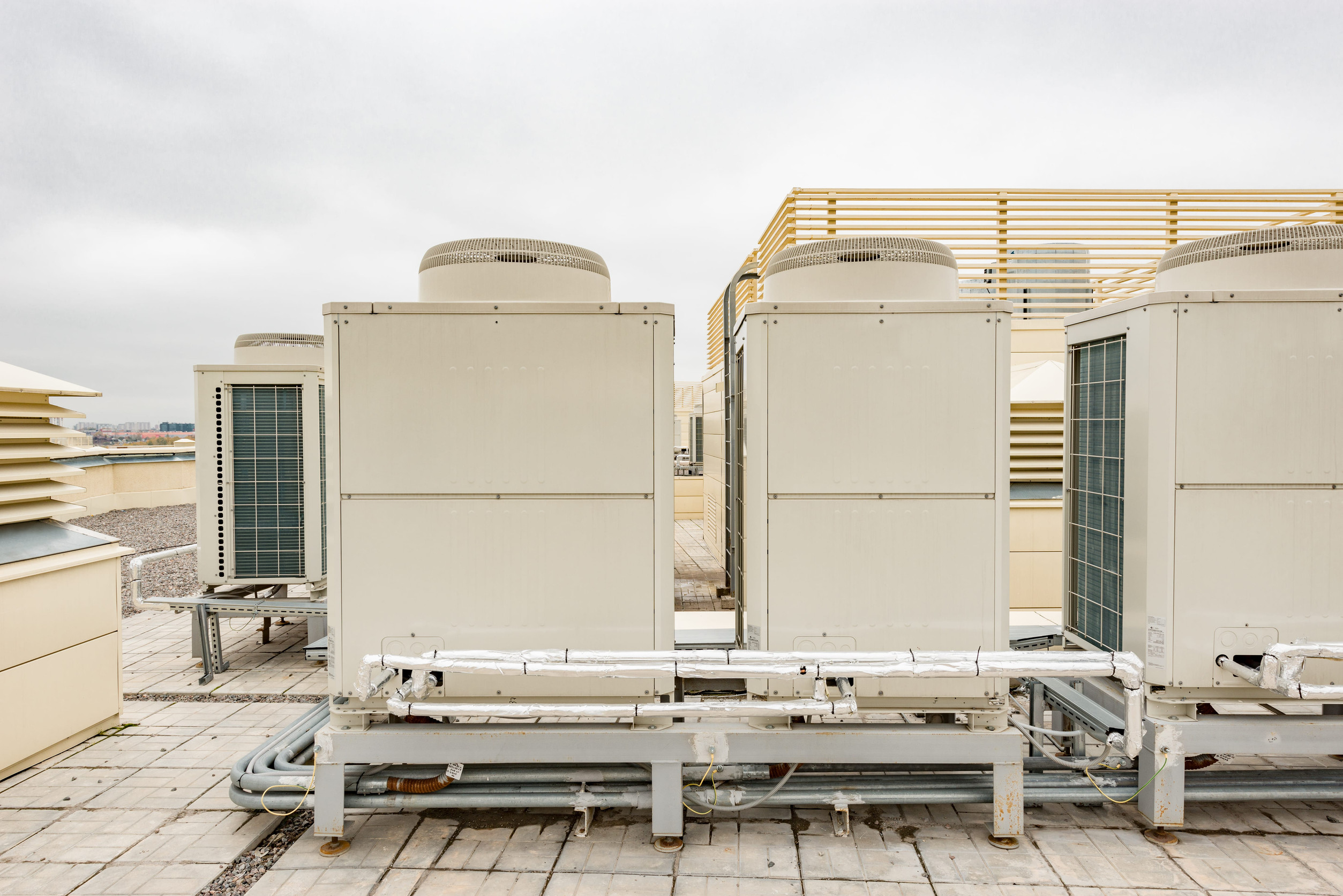
Commercial heating, ventilation, and air conditioning (HVAC) systems represent one of the single largest mechanical investments a property owner or business manager will make in Knoxville, Tennessee. Whether you operate a retail strip along Kingston Pike, manage a medical office building near Fort Sanders, or run a manufacturing warehouse in East Knoxville, maintaining precise indoor climate control is non-negotiable.
When a 15-ton packaged rooftop unit (RTU), a commercial split system, or a central chiller fails during the peak of Knoxville’s humid summer heat, waiting weeks to accumulate cash reserves is simply not an option. Equipment failure threatens tenant retention, damages inventory, disrupts business operations, and can lead to costly downtime.
Fortunately, modern commercial HVAC financing provides structured capital solutions that allow property managers to replace aging or failing mechanical assets immediately without depleting operational cash reserves. Understanding how commercial financing works, the structure of available lending products, tax advantages, and local Knoxville regulatory considerations ensures you make an informed financial decision for your commercial property.
1. Why Finance Commercial Mechanical Infrastructure?
Replacing commercial HVAC equipment involves significant capital expenditure (CapEx). Beyond the physical air handlers, condensing units, or rooftop systems, commercial installations often require specialized rigging, crane services, ductwork modifications, structural curb adaptations, updated electrical sub-panels, and local municipal permits.
Rather than committing tens or hundreds of thousands of dollars in upfront cash, commercial financing preserves liquidity.
Primary Advantages of Commercial HVAC Financing:
- Preservation of Working Capital: Keep liquid cash reserves available for core business operations, payroll, inventory acquisitions, marketing, or unforeseen operational emergencies.
- Preservation of Bank Credit Lines: Utilizing specialized equipment financing or leasing leaves your primary business bank lines of credit open for short-term operating needs.
- Immediate Efficiency Gains: Finance high-efficiency units (such as high-SEER2 and variable-speed systems) that immediately reduce monthly energy bills. The resulting utility savings can partially offset monthly financing payments.
- Predictable Operational Expenses (OpEx): Fixed monthly payments transform a massive, unpredictable emergency expense into a predictable operational line item.
Recognizing early warning signs—such as rising utility bills, frequent component breakdowns, or refrigerant leaks—helps property directors explore financing options before a complete catastrophic failure occurs. Reviewing common business HVAC problems and how to fix them can help facility managers spot system degradation early.
2. Core Types of Commercial Financing Structures
Commercial lenders and specialty equipment finance companies offer several financial structures tailored to property owners, corporate tenants, and real estate developers in Knoxville.
Equipment Capital Leases ($1 Buyout Leases)
An equipment capital lease functions similarly to a secured loan. The finance company purchases the HVAC equipment on your behalf, and you make fixed monthly payments over an agreed term (typically 24 to 82 months).
- The Buyout Feature: At the end of the term, you purchase the equipment for a nominal fee (usually $1).
- Ownership Benefits: Because the transaction transfers ownership, your business assumes full title to the equipment and can take advantage of depreciation tax write-offs.
Operating Leases (Fair Market Value Leases)
An operating lease allows a business to rent the commercial HVAC system for a set term.
- End-of-Term Flexibility: When the lease expires, you can purchase the system at its Fair Market Value (FMV), return the equipment, or upgrade to brand-new technology under a new lease term.
- Off-Balance-Sheet Treatment: Operating lease payments are generally treated as 100% tax-deductible operating expenses rather than capital liabilities on your balance sheet.
Commercial Equipment Loans
Standard commercial equipment loans allow businesses to borrow funds specifically to buy mechanical assets. The HVAC equipment itself serves as the primary collateral for the loan. Rates, down payment requirements, and terms depend on the business’s creditworthiness and financial history.
Property Assessed Clean Energy (C-PACE) Financing
Commercial Property Assessed Clean Energy (C-PACE) is a financing mechanism that allows commercial property owners to secure long-term, low-cost financing for energy-efficient HVAC upgrades, building envelope improvements, and renewable energy installations.
- Assessment Repayment: The loan is repaid through a voluntary special assessment on the property’s tax bill over a long period (often 15 to 25 years).
- Property Attachment: Because the financing is tied to the real estate property rather than the individual owner, the payment obligation transfers to the next owner if the building is sold.
3. How the Commercial HVAC Financing Process Works
Securing financing for commercial mechanical equipment follows a straightforward, multi-step process designed to get new equipment installed quickly.
Step 1: On-Site Mechanical Assessment & Engineering Load Calculation
   │
   ▼
Step 2: Formal Contractor Quote (Equipment, Labor, Crane Rigging, Permits)
   │
   ▼
Step 3: Credit Application & Financial Review (Soft vs. Hard Credit Assessment)
   │
   ▼
Step 4: Underwriting Approval & Term Selection (24 to 84-Month Options)
   │
   ▼
Step 5: Document Signing & Vendor Deposit Issuance
   │
   ▼
Step 6: Equipment Delivery, Installation, & Municipal Inspection Signup
   │
   ▼
Step 7: Final Completion Sign-Off & Lender Disbursement to Contractor
Required Documentation for Approval
For smaller commercial projects (typically under $100,000 to $150,000), many lenders offer "application-only" processing, requiring minimal paperwork. For larger commercial mechanical projects, lenders generally evaluate:
- Business Credit Profile: D&B credit report, Paydex score, or business credit history.
- Financial Statements: Two to three years of audited balance sheets, profit and loss (P&L) statements, and tax returns.
- Property Ownership Verification: Proof of real estate ownership or lease agreements detailing tenant improvement allowances (TIA).
- Detailed Project Proposal: Detailed scope of work from a licensed mechanical contractor including equipment model numbers, AHRI efficiency ratings, and labor/installation costs.
4. Tax Advantages: IRS Section 179 and Bonus Depreciation
One of the most compelling arguments for financing commercial HVAC equipment is the tax benefit available under federal tax law.
IRS Section 179 Deduction
Under the Tax Cuts and Jobs Act, qualified commercial HVAC equipment—including rooftop units, furnaces, air handlers, packaged units, and split systems installed on non-residential real property—qualifies for immediate write-offs under IRS Section 179.
Rather than depreciating the cost of a new commercial system over a standard 39-year commercial property schedule, eligible businesses can deduct up to 100% of the total purchase price during the tax year the equipment is placed into service.
The Financial Impact of Combining Financing with Section 179
When you combine commercial financing with Section 179, your first-year tax savings can actually exceed your initial year-one financing payments.
- Example Scenario: A business finances a $50,000 commercial rooftop replacement project.
- Tax Write-Off: Writing off $50,000 under Section 179 in a 21% corporate tax bracket creates approximately $10,500 in tax savings.
- Cash Flow Advantage: If your first-year monthly financing payments total $9,000, your year-one tax savings ($10,500) exceed your out-of-pocket payment obligation—resulting in net-positive cash flow in year one.
Note: Always consult with a certified public accountant (CPA) or corporate tax advisor in Tennessee to verify specific eligibility for Section 179 write-offs.
5. Factoring Life-Cycle Energy Savings into Financing Calculations
When evaluating financing proposals, smart commercial property owners look beyond the interest rate to calculate the Total Cost of Ownership (TCO).
Older commercial HVAC systems in Knoxville operating on phased-out R-22 refrigerant or wearing low-efficiency compressors consume significantly more electricity than modern systems rated under modern SEER2 and IEER standards.
In many commercial applications, the monthly energy savings generated by transitioning to a high-efficiency unit offset a substantial portion of the monthly financing payment.
Pairing a financed system installation with a proactive maintenance agreement protects your new mechanical investment long-term. Examining whether an hvac maintenance plan is worth it for knoxville homeowners demonstrates how routine care prevents expensive repairs—a financial principle that directly applies to multi-ton commercial systems as well.
6. Knoxville Local Permitting and Licensing Requirements
Financing approval relies on having a fully compliant, code-approved scope of work. Lenders disburse funds to the mechanical contractor only after verifying that the project meets local municipal building codes and state licensing standards.
Key Compliance Elements for Financed Installations in Knoxville:
- State Contractor Licensing: Tennessee law mandates that commercial HVAC installations valued at $25,000 or more must be executed by a state-licensed Mechanical Contractor with a CMC or CMC-A license classification.
- City of Knoxville & Knox County Permits: Mechanical replacement permits must be pulled through the City of Knoxville Plans Review & Inspections Department or Knox County Building Operations prior to starting work.
- Municipal Final Inspection Sign-Off: Lenders issuing final disbursement payments require a signed Certificate of Occupancy (CO) or an approved final inspection report confirming the system complies with International Mechanical Code (IMC) standards.
Partnering with an experienced, credentialed contractor ensures your financing process moves forward smoothly. Learning how to choose an hvac contractor for your business gives facility managers the framework needed to select a qualified commercial partner.
Additionally, timing your commercial replacement during off-peak seasons can streamline logistics and lower labor costs. Reviewing guidance on the best time of year to replace your hvac system in east tennessee helps property managers coordinate financing approvals with ideal installation weather windows.
Make an Informed Mechanical Investment
Commercial HVAC financing bridges the gap between immediate physical equipment needs and long-term capital management. By converting a massive upfront capital expense into manageable monthly payments, commercial property managers in Knoxville can keep tenant spaces comfortable, reduce energy consumption, take advantage of generous tax deductions, and safeguard corporate liquidity.
When evaluating equipment upgrades, work closely with a licensed commercial HVAC contractor who understands equipment sizing, efficiency ratings, local Knoxville building codes, and flexible commercial finance structures.


