


High-Tech "Bio-Active" Drain Maintenance: Using science rather than chemicals
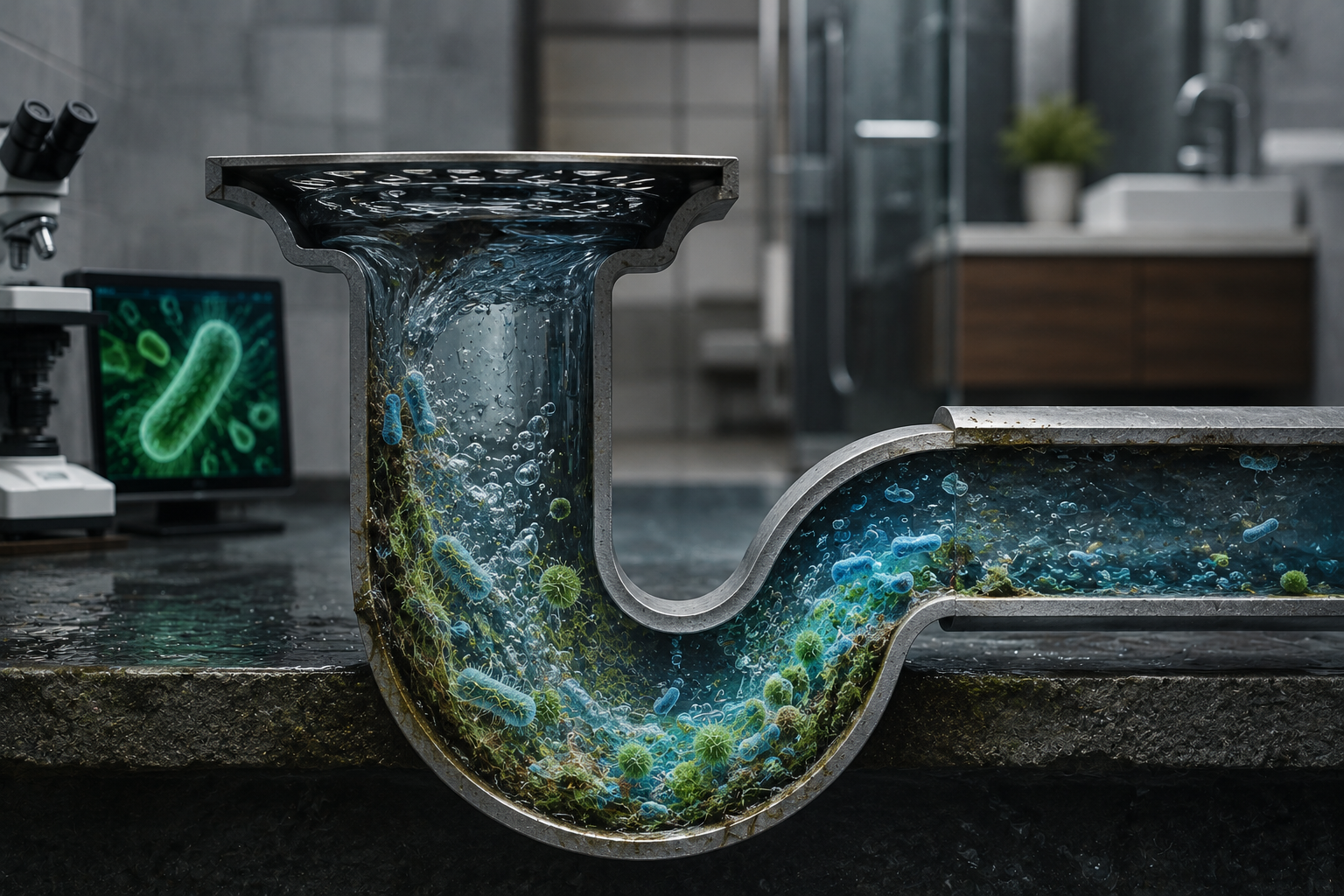
Most homeowners think drain maintenance means pouring harsh chemicals down the sink when a clog appears.
But modern plumbing science is moving in a different direction.
Instead of relying on corrosive chemical cleaners that aggressively burn through buildup, many plumbing professionals now use bio-active drain maintenance systems that work with biology rather than against it.
These treatments use:
- Beneficial bacteria
- Enzymes
- Microbial digestion
- Organic breakdown processes
to naturally consume organic waste inside pipes.
The goal is not just clearing clogs temporarily.
The goal is creating a healthier drain environment that continuously reduces buildup before major blockages form.
Bio-active drain maintenance has become increasingly popular in:
- Residential plumbing
- Restaurants
- Commercial kitchens
- Hotels
- Healthcare facilities
- Vacation rentals
- Grease-heavy drain systems
As homeowners become more concerned about pipe longevity, environmental impact, and long-term plumbing health, bio-active solutions are emerging as a smarter alternative to repeated chemical drain cleaning.
Traditional Chemical Drain Cleaners Work Through Corrosion
Most store-bought drain cleaners rely on aggressive chemical reactions.
Common active ingredients include:
- Sodium hydroxide
- Sulfuric acid
- Bleach compounds
- Oxidizing agents
These chemicals generate heat or corrosive reactions that attempt to dissolve:
- Grease
- Hair
- Soap scum
- Organic debris
While they may temporarily open partial clogs, they often create long-term plumbing problems.
Chemical cleaners can:
- Damage older pipes
- Corrode metal plumbing
- Weaken seals
- Harm septic systems
- Create dangerous fumes
- Injure homeowners during use
In some cases, repeated chemical exposure accelerates pipe deterioration rather than improving drain performance.
Bio-Active Drain Maintenance Uses Biology Instead of Corrosion
Bio-active systems work differently.
Rather than chemically attacking buildup, they introduce beneficial microorganisms and enzymes into the plumbing system.
These organisms naturally digest:
- Grease
- Organic waste
- Food particles
- Soap residue
- Biofilm
- Protein buildup
The process is similar to how natural ecosystems break down organic matter.
Beneficial bacteria consume waste materials and convert them into:
- Water
- Carbon dioxide
- Smaller biodegradable particles
This creates gradual, ongoing drain maintenance rather than violent chemical reactions.
What Are Enzymes in Drain Maintenance?
Enzymes are biological catalysts that accelerate the breakdown of organic materials.
Different enzymes target different substances.
Examples include:
- Lipase for fats and grease
- Protease for proteins
- Amylase for starches
- Cellulase for plant material
These enzymes help dissolve complex organic compounds into smaller particles that bacteria can consume more easily.
Enzymatic drain products are especially effective for:
- Kitchen drains
- Food waste buildup
- Soap residue
- Organic sludge
Unlike chemical cleaners, enzymes do not generate extreme heat or corrosive reactions inside the plumbing system.
Beneficial Bacteria Continue Working After Application
One major advantage of bio-active systems is that beneficial bacteria may continue working long after treatment.
As long as moisture and food sources remain available, bacteria continue digesting organic waste inside the pipes.
This creates ongoing maintenance benefits rather than short-term clog relief.
In properly maintained systems, bio-active treatments help reduce:
- Organic accumulation
- Odors
- Sludge formation
- Grease buildup
- Drain biofilm
The goal is preventing severe blockages from developing in the first place.
Biofilm Is One of the Biggest Hidden Drain Problems
Many drain issues are not caused by solid clogs alone.
Instead, problems often begin with biofilm buildup.
Biofilm is a slimy microbial layer that forms inside pipes from:
- Soap residue
- Grease
- Organic waste
- Bacteria colonies
Over time, biofilm narrows pipe interiors and traps additional debris.
This creates conditions that eventually lead to:
- Slow drains
- Odors
- Chronic clogs
- Increased bacterial growth
Bio-active treatments specifically target biofilm digestion, helping reduce the sticky organic layer before severe buildup develops.
Homeowners curious about microbial drain buildup may also benefit from reading bio-film in pipes: what is that pink slime in your drain.
Why Bio-Active Systems Are Popular in Commercial Plumbing
Restaurants and commercial kitchens frequently use bio-active drain maintenance because grease buildup is one of their biggest plumbing challenges.
Grease accumulates gradually inside drainpipes and can eventually restrict flow dramatically.
Traditional chemical cleaners often:
- Fail to remove all grease
- Push buildup deeper into pipes
- Damage grease interceptors
- Harm septic bacteria
Bio-active treatments continuously digest grease over time.
This helps reduce:
- Emergency drain calls
- Grease trap overload
- Sewer odors
- Pipe restrictions
Many commercial plumbing maintenance programs now include scheduled bio-active applications as preventive maintenance.
Septic Systems Benefit From Biological Balance
Bio-active drain maintenance is often safer for septic systems than harsh chemicals.
Septic systems rely on naturally occurring bacteria to break down waste inside the tank.
Aggressive drain cleaners may disrupt this bacterial balance.
Overuse of chemicals can:
- Kill beneficial septic bacteria
- Reduce digestion efficiency
- Increase sludge accumulation
- Contribute to system overload
Bio-active treatments support the biological processes septic systems already depend on.
Homeowners maintaining septic systems often review how to maintain a healthy septic system before using harsh chemical products.
Older Pipes May Be Vulnerable to Chemical Damage
Aging plumbing systems are especially vulnerable to repeated chemical exposure.
Older materials such as:
- Galvanized steel
- Cast iron
- Aging copper
- Older PVC joints
may weaken over time when exposed to strong drain chemicals repeatedly.
Chemical cleaners generate:
- Heat
- Corrosive reactions
- Internal pipe stress
Over time, this may accelerate:
- Pipe corrosion
- Joint deterioration
- Leak formation
- Seal damage
Bio-active systems are generally gentler on plumbing infrastructure because they rely on biological digestion rather than corrosion.
Drain Odors Often Come From Organic Decomposition
Many drain odors develop because organic material becomes trapped inside pipes.
Common odor sources include:
- Grease
- Food debris
- Hair
- Soap residue
- Bacterial activity
Chemical cleaners may temporarily mask odors without removing the underlying organic layer.
Bio-active maintenance targets the actual food source feeding odor-causing bacteria.
As buildup decreases, drain odors often improve significantly.
Homeowners dealing with recurring smells may also benefit from reviewing the best ways to prevent plumbing odors.
Bio-Active Treatments Work Best as Preventive Maintenance
One important limitation is that bio-active products are not instant emergency clog removers.
They work gradually.
For severe blockages involving:
- Tree roots
- Solid obstructions
- Pipe collapse
- Heavy sediment
- Large grease masses
mechanical cleaning may still be necessary.
Bio-active maintenance works best when used proactively before major clogs develop.
This makes it ideal for:
- Routine drain care
- Preventive maintenance programs
- High-usage kitchens
- Commercial systems
- Vacation rentals
The goal is long-term drain health rather than emergency unclogging.
Hydro Jetting and Bio-Active Maintenance Often Work Together
Many professional plumbing maintenance programs combine:
- Hydro jetting
- Mechanical cleaning
- Bio-active treatments
Hydro jetting removes heavy existing buildup using high-pressure water.
Bio-active maintenance then helps slow future accumulation by continuously digesting residual organic material.
This combination often provides longer-lasting drain performance compared to repeated chemical cleaning alone.
Homeowners learning about advanced drain cleaning methods often review how hydro jetting solves severe drain blockages.
Smart Plumbing Maintenance Is Becoming More Preventive
The plumbing industry is increasingly shifting toward preventive maintenance instead of reactive emergency repair.
Modern maintenance strategies focus on:
- Monitoring
- Early intervention
- Biological control
- Long-term pipe preservation
This shift mirrors trends in other industries where prevention is more cost-effective than emergency restoration.
Bio-active drain care fits naturally into this preventive approach because it continuously manages buildup before catastrophic failures occur.
Bio-Active Systems Are Useful in Vacation Rentals
Airbnb properties and vacation cabins experience unusually high drain usage.
Guests often introduce:
- Excess grease
- Soap buildup
- Food debris
- Hair accumulation
Short-term rentals also experience rapid turnover, which accelerates organic buildup inside drains.
Many Smoky Mountain cabin owners now use bio-active maintenance to reduce emergency plumbing calls between guest stays.
Preventive maintenance becomes especially important during peak tourism seasons.
Chemical Drain Cleaners Can Create Safety Hazards
Chemical drain products may create risks including:
- Skin burns
- Eye injuries
- Toxic fumes
- Pipe splashing
- Dangerous chemical reactions
Mixing different drain chemicals can become especially hazardous.
Some chemical reactions release dangerous gases that pose serious indoor air quality concerns.
Bio-active products generally create fewer safety risks because they rely on natural biological processes rather than corrosive chemistry.
This makes them safer for:
- Families
- Pets
- Septic systems
- Older plumbing
- Indoor air quality
Modern Plumbing Science Focuses on System Longevity
The plumbing industry increasingly recognizes that long-term pipe health matters more than temporary clog removal.
Aggressive chemical cleaning may clear a drain today while contributing to pipe damage over time.
Bio-active maintenance supports:
- Pipe preservation
- Reduced corrosion
- Better biological balance
- Lower environmental impact
- Improved long-term flow
The goal is maintaining stable plumbing performance over many years rather than repeatedly attacking symptoms.
Not All "Natural" Drain Products Are Effective
Some products marketed as natural drain cleaners provide little real biological activity.
Professional-grade bio-active treatments typically contain:
- Active bacterial cultures
- Concentrated enzymes
- Specific microbial strains
- Controlled biological formulations
The effectiveness depends on:
- Product quality
- Proper application
- Drain conditions
- Temperature
- Moisture levels
- Organic food sources
Professional guidance helps homeowners select appropriate maintenance strategies for their specific plumbing systems.
Bio-Active Maintenance Supports Eco-Friendly Plumbing
Many homeowners are becoming more environmentally conscious about plumbing care.
Bio-active systems align with eco-friendly plumbing goals because they:
- Reduce harsh chemical usage
- Support natural digestion processes
- Lower environmental discharge risks
- Reduce pipe replacement frequency
- Minimize septic disruption
This makes biological maintenance attractive for homeowners seeking more sustainable plumbing practices.
Homeowners exploring environmentally conscious plumbing upgrades often review eco-friendly plumbing solutions for homes.
When Professional Drain Cleaning Is Still Necessary
Bio-active maintenance is not a replacement for all professional plumbing services.
Mechanical cleaning may still be necessary for:
- Severe clogs
- Tree root intrusion
- Collapsed pipes
- Grease blockages
- Foreign object obstructions
Professional plumbers evaluate:
- Pipe condition
- Blockage severity
- Drain system health
- Long-term maintenance needs
At Advanced Heat AC & Plumbing, we help homeowners throughout East Tennessee determine when preventive biological maintenance is appropriate and when more advanced drain cleaning solutions are necessary.
The Future of Drain Maintenance Is Becoming More Scientific
Drain maintenance is evolving beyond the old model of pouring stronger chemicals into pipes.
Modern plumbing science increasingly focuses on:
- Biological balance
- Microbial digestion
- Pipe preservation
- Preventive maintenance
- Long-term system health
Bio-active drain maintenance represents a shift toward smarter plumbing care that works with natural biological processes rather than constantly fighting against them.
The future of healthy plumbing systems may rely less on corrosive chemicals and more on understanding the science already happening inside the pipes themselves.


