


How to Budget for Commercial HVAC Replacement in East Tennessee
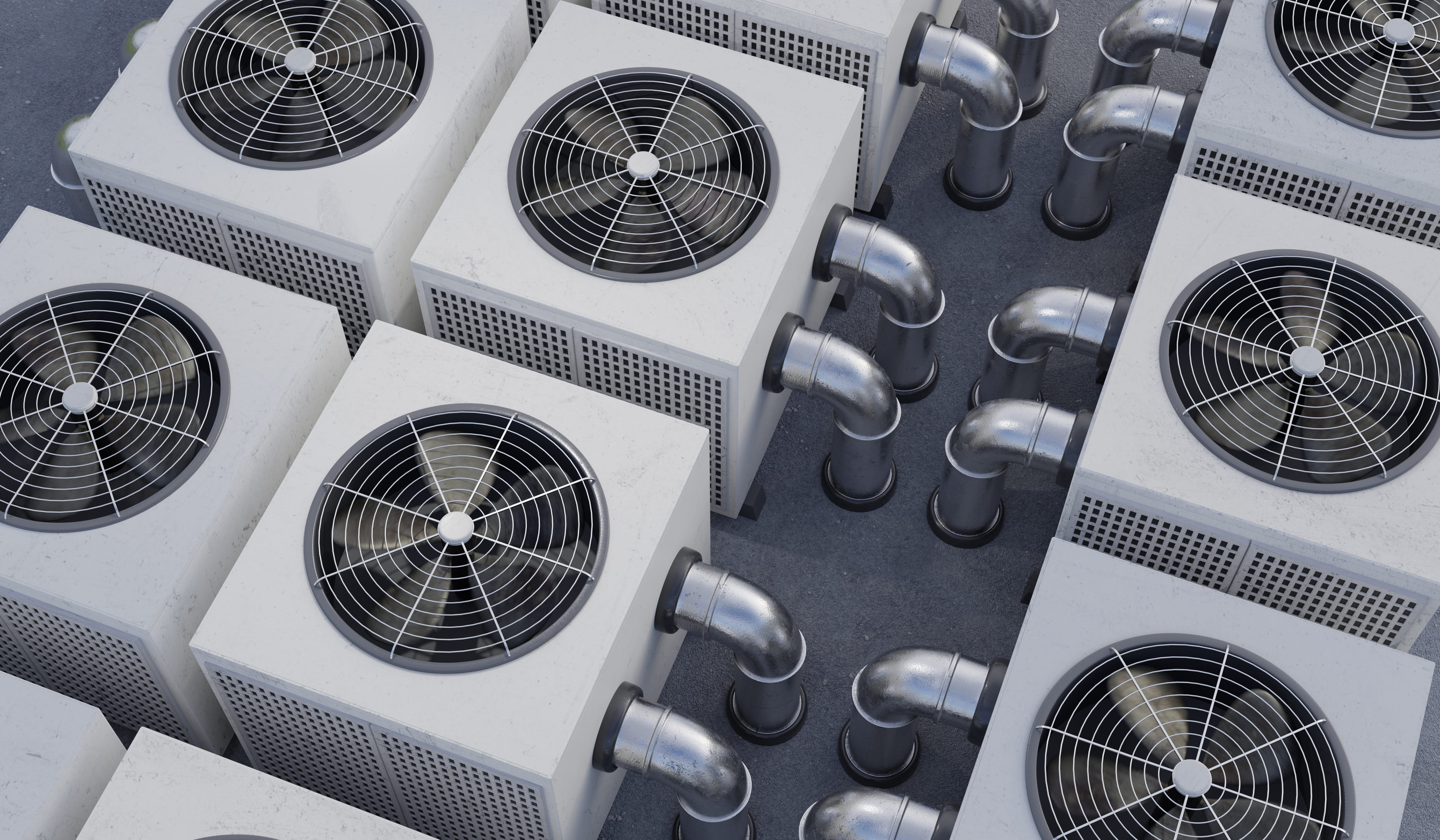
Replacing a commercial heating, ventilation, and air conditioning system is one of the single largest capital expenditures a property owner, developer, or facility director will navigate in East Tennessee. Whether managing a medical facility in Oak Ridge, a retail strip along Kingston Pike in Knoxville, or an industrial park in Maryville, mechanical infrastructure drives continuous revenue.
When a 20-ton packaged rooftop unit (RTU) or a central water-cooled chiller system reaches the end of its operational life, delaying replacement often triggers a cascade of expenses. Emergency labor fees, lost business, inventory damage, and skyrocketing energy bills quickly add up.
Creating a structured capital replacement budget transforms a reactive crisis into a controlled, strategic asset upgrade. Below is a comprehensive guide on evaluating true equipment replacement costs, building accurate financial reserves, capturing tax incentives, and managing installation logistics across East Tennessee.
1. Calculating Total Cost of Ownership Beyond Equipment Stickers
A major pitfall in commercial HVAC budgeting is assuming the equipment purchase price makes up the entire capital budget. The physical mechanical unit often accounts for only 40% to 60% of total project costs.
A complete commercial HVAC replacement budget must account for every variable required to bring the system online safely and legally.
Core Budget Breakdown Components
- Equipment Sizing & Acquisition: System tonnage, efficiency rating (SEER2/IEER/EER), variable-speed compressors, and internal heating sections (gas furnace, heat pump, or electric resistance).
- Crane Rigging & Heavy Logistics: Setting up a crane on commercial property requires municipal street permits, lane closures, rigging crews, and insurance coverage.
- Curb Adaptations & Structural Support: Existing roof curbs rarely match new equipment footprints perfectly. Custom transition curbs or structural steel reinforcement add material and labor costs.
- Electrical & Control Integration: Running line-voltage wiring, installing safety disconnect switches, and wiring modern Building Automation System (BAS) controls like BACnet or Modbus.
- Ductwork Modifications & Balancing: Adapting drop connections, installing motorized smoke dampers, and conducting certified air balancing (TAB).
- Demolition & Refrigerant Disposal: Recovering old refrigerants per EPA standards, rigging down old units, and paying industrial recycling scrap fees.
Understanding baseline industry costs is essential for accurate capital forecasting. Reviewing the average cost of hvac replacement in knoxville tn gives facility managers a solid baseline for projecting square-footage replacement budgets.
2. Factoring in East Tennessee’s Regional Climate Demands
East Tennessee falls within ASHRAE Climate Zone 4A, characterized by hot, humid summers and mild-to-cold winters. This dual demand requires commercial mechanical systems to operate under heavy sensible and latent cooling loads for several months out of the year.
The Latent Cooling Impact on Equipment Budgets
Relative humidity frequently exceeds 70% during summer months across the Tennessee Valley. Commercial units must do more than lower air temperature; they must extract moisture from incoming fresh air.
Failure to budget for proper dehumidification controls—such as hot gas reheat coils or Dedicated Outdoor Air Systems (DOAS)—leads to high indoor humidity, mold risks, and tenant complaints. Allocating capital upfront for moisture management features prevents premature indoor degradation.
To understand how environmental conditions affect system wear and energy draw, review how humidity affects your hvac system in east tennessee.
3. Financial Vehicles and Commercial Capital Options
Property managers have several financial structures available to avoid draining operating reserves when undertaking a major mechanical replacement.
Commercial Incentive Programs in East Tennessee
Local electric distributors—such as Knoxville Utilities Board (KUB), Alcoa Electric, and Lenoir City Utilities Board (LCUB)—partner with the Tennessee Valley Authority (TVA) through programs like TVA EnergyRight.
These programs offer financial rebates for qualifying commercial properties that upgrade to high-efficiency heat pumps, advanced economizers, or variable-frequency drives (VFDs). Including anticipated rebates in your budget plan reduces net project capital outlays.
4. Tax Advantages: Leveraging IRS Section 179 and Bonus Depreciation
Commercial HVAC upgrades carry major tax-deferral opportunities under federal tax law.
Under the Tax Cuts and Jobs Act, commercial HVAC systems installed on non-residential real property qualify for immediate tax write-offs under IRS Section 179. Rather than depreciating a $100,000 rooftop replacement over a 39-year commercial property schedule, eligible businesses can deduct up to 100% of the total purchase and installation price in the year the equipment is placed into service.
Tax Deduction Example
- Project Scope: Replacing four aging 10-ton rooftop units at a cost of $80,000.
- Standard Depreciation Schedule (39 Years): Annual tax write-off of ~$2,051 per year.
- Section 179 Immediate Deduction: Write off the full $80,000 in Year 1.
- Net Tax Savings (21% Tax Bracket): Reduces federal tax liability by $16,800 in year one.
Combining commercial equipment financing with Section 179 write-offs often creates positive cash flow during the first year of operation, as tax savings exceed first-year financing payments.
5. Strategic Timing: Lowering Replacement Expenses
Timing a commercial HVAC replacement can directly reduce project expenses. Executing a planned replacement during shoulder seasons—early spring or mid-autumn—delivers distinct financial advantages over emergency summer installations.
Financial Benefits of Off-Peak Installation
- Lower Crane & Rigging Fees: Crane operators face lower demand during off-peak seasons, avoiding weekend surcharge rates.
- Reduced Labor Rates: Mechanical contractors can schedule crews during normal business hours, eliminating emergency overtime rates.
- Equipment Availability: Avoiding peak summer lead times prevents expensive air-freight shipping fees for specialty commercial units.
- Uninterrupted Tenant Comfort: Replacing equipment during mild outdoor temperatures minimizes indoor temperature spikes and protects tenant retention.
Reviewing advice on the best time of year to replace your hvac system in east tennessee helps property managers align mechanical projects with ideal financial and weather windows.
6. Budgeting for Local Codes, Permits, and Life Safety Compliance
A complete project budget must include municipal compliance fees, engineering reviews, and code updates. In Knox, Blount, and Loudon counties, commercial mechanical installations are strictly regulated.
Key Budgeted Compliance Items
- Municipal Building & Mechanical Permits: Fees paid to the City of Knoxville Plans Review & Inspections Department or Knox County Building Operations.
- Economizer & Code Compliance: The International Energy Conservation Code (IECC) mandates automated economizer dampers on most commercial cooling units over 4.5 tons to leverage free outdoor air cooling.
- Life Safety Controls: Installing duct smoke detectors connected to central fire alarm panels, as required under NFPA 90A standards.
- Refrigerant Transition Rules: Accounting for environmental mandates like the EPA A2L refrigerant phase-in, which affects future maintenance and equipment design costs.
Working with an experienced mechanical team avoids unexpected municipal fines or delayed occupancy permits. Reviewing hvac compliance requirements for knoxville commercial properties ensures all legal and safety mandates are included in your budget upfront.
7. Protecting Your Investment with Proactive Maintenance
Once your commercial replacement is complete, protecting your new capital asset requires an ongoing maintenance plan. Routine care ensures equipment reaches its projected 15-to-20-year lifespan while maintaining original manufacturer efficiency ratings.
Enrolling in a structured HVAC Maintenance Plan Membership protects warranties, keeps energy bills low, and prevents premature component wear across your new mechanical system.
Strategic Capital Planning Drives Long-Term Property Value
Budgeting for a commercial HVAC replacement in East Tennessee requires more than getting a single equipment quote. By evaluating total installation costs, leveraging IRS tax deductions, securing utility rebates, timing installations off-peak, and maintaining strict code compliance, property owners can protect their balance sheets while ensuring tenant comfort.
Partnering with a credentialed, state-licensed commercial mechanical contractor guarantees your financial plan yields a high-performing, energy-efficient building asset for decades to come.


