


Warehouse HVAC Considerations for Knoxville Businesses
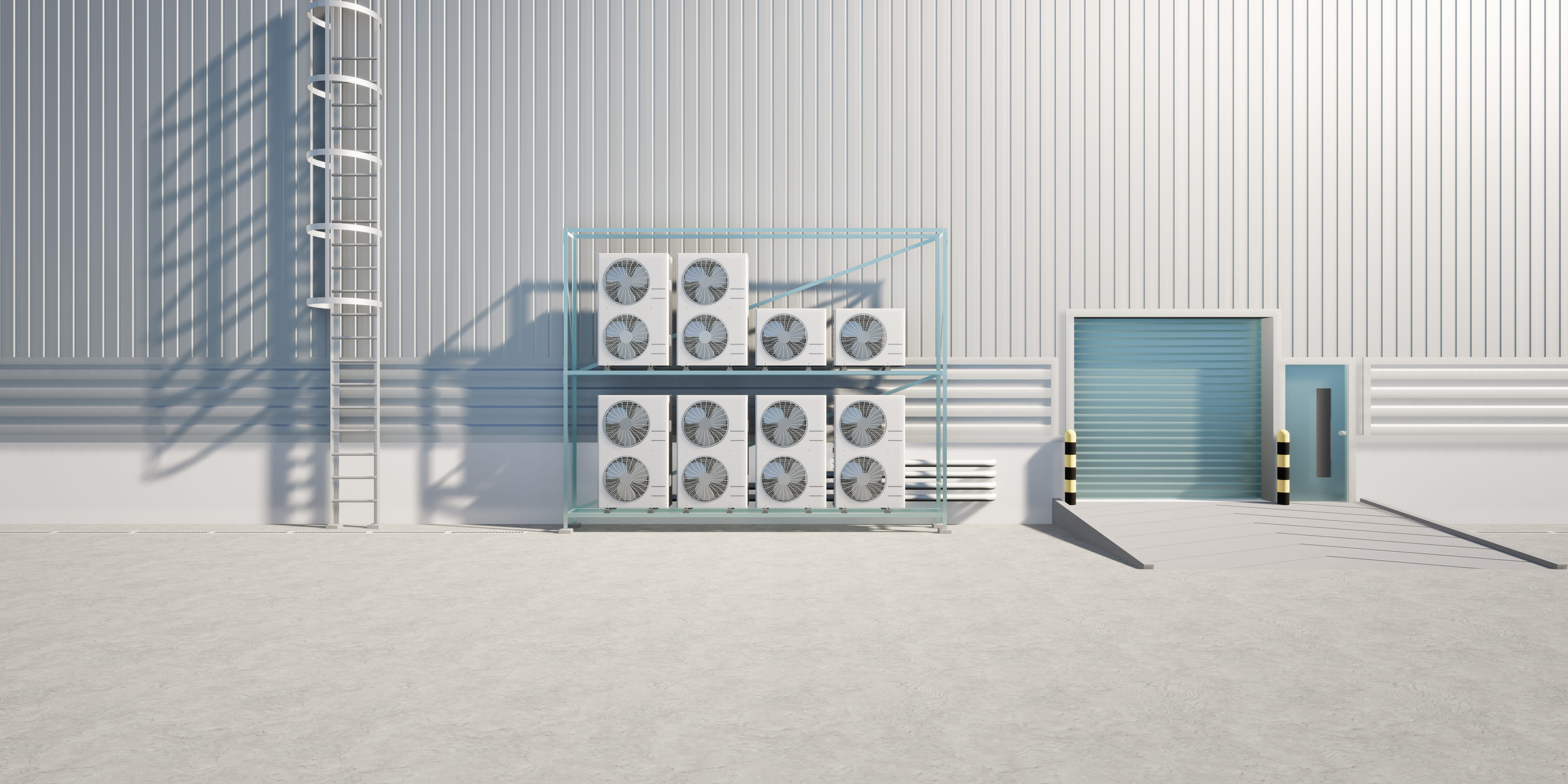
Situated at the intersection of major transportation corridors including Interstate 40, Interstate 75, and Interstate 81, Knoxville, Tennessee, serves as a vital logistics, distribution, and manufacturing hub for the Southeastern United States. From sprawling industrial parks in Forks of the River and Mascot to warehousing facilities in West Knoxville and Hardin Valley, commercial storage spaces play an essential role in keeping regional supply chains moving.
However, heating, ventilating, and conditioning an industrial warehouse presents mechanical engineering challenges vastly different from standard office environments. Warehouses feature ceiling heights ranging from 20 to 40 feet, open floor layouts spanning tens or hundreds of thousands of square feet, continuous loading dock activity, and varying product sensitivity requirements.
When operating in East Tennessee's humid climate, failing to design, maintain, or upgrade warehouse mechanical infrastructure correctly leads to compromised inventory, workplace safety hazards, excessive utility bills, and unexpected equipment failure. Understanding key warehouse HVAC considerations helps facility directors optimize climate control, maintain regulatory compliance, and protect operational margins.
1. Managing Knoxville's High Latent Heat and Humidity in Open Spaces
Knoxville is situated in ASHRAE Climate Zone 4A, characterized by hot, muggy summers and cold winters. For warehouse operators, summer relative humidity presents a serious operational hurdle. Unlike standard commercial office spaces where human comfort drives cooling setpoints, warehouse climate systems must manage massive volumes of moisture entering through uninsulated building envelopes and open bay doors.
The Threat of "Sweaty Slab Syndrome"
One of the most frequent hazards in East Tennessee warehouses during late spring and summer is Sweaty Slab Syndrome (SSS). SSS occurs when warm, moisture-laden outdoor air enters a cooler warehouse space and comes into contact with the dense, cold concrete floor slab. When the temperature of the concrete floor falls below the dew point of the incoming air, condensation forms rapidly across the floor.
- Workplace Safety Hazards: Wet concrete slabs turn warehouse aisles into dangerous skidding hazards for forklifts, pallet jacks, and foot traffic, raising workers' compensation risks.
- Inventory Damage: Excess indoor moisture causes cardboard shipping containers to soften, buckle, and collapse during storage. Moisture also promotes mold growth on wooden pallets and organic goods.
- Corrosion Risks: High relative humidity accelerates oxidation on raw metal parts, industrial machinery, and electrical sub-panels.
Preventing condensation requires dedicated dehumidification infrastructure. Installing commercial Dedicated Outdoor Air Systems (DOAS) or industrial-grade dehumidifiers conditions incoming fresh air before it reaches storage zones. Reviewing how humidity affects your hvac system in east tennessee outlines how atmospheric moisture alters refrigeration cycles and thermal loads across commercial buildings.
2. Overcoming Thermal Stratification and Air Distribution Challenges
Because hot air naturally rises while cold air settles, warehouse buildings experience extreme thermal stratification. In a 30-foot-tall warehouse during the winter heating season, air temperatures near the ceiling can reach 80°F while temperatures at ground level where employees work hover at a chilly 62°F.
This vertical temperature gradient forces heating equipment to run continuously to satisfy floor-level thermostats, wasting significant amounts of natural gas or electricity.
Destratification and Air Distribution Strategies
To eliminate temperature layering and reduce heating costs, modern industrial facilities utilize specialized air distribution equipment:
- High-Volume, Low-Speed (HVLS) Fans: Large ceiling-mounted HVLS fans (ranging from 8 to 24 feet in diameter) gently push trapped warm air from the ceiling down to the floor level in winter. In summer, they generate a evaporative cooling effect across workers' skin, improving perceived comfort by up to 8°F without lowering thermostat settings.
- Engineered Fabric Ducting: Traditional metal spiral ductwork can be expensive to install and often creates uncomfortable air drafts directly beneath discharge grilles. High-throw fabric duct systems provide uniform air distribution along the entire length of warehouse aisles, preventing hot and cold spots.
- Targeted Spot Cooling and Heating: In massive facilities where conditioning the entire volume of air is cost-prohibitive, spot conditioning directs airflow exclusively to high-occupancy areas such as packing stations, fulfillment lines, and manager offices.
3. Selecting the Right Heating and Cooling Equipment
Choosing the proper heating and cooling architecture depends on the warehouse's primary function—whether it serves as a dry bulk storage building, a temperature-controlled pharmaceutical distribution center, or a high-density fulfillment facility.
Mitigating Infiltration at Loading Docks
Loading docks represent the largest source of heat gain in summer and heat loss in winter. Every time a dock door opens to load or unload a trailer, thousands of cubic feet of conditioned air escape while outdoor air surges inside.
Installing high-velocity air curtains above overhead doors creates an invisible air barrier that prevents outside air, insects, and humidity from penetrating the space. Pairing air curtains with dock seals and insulated, high-speed roll-up doors stabilizes indoor temperatures and reduces mechanical strain on central HVAC systems.
4. Energy Efficiency, Operating Costs, and Utility Incentives
Energy costs represent one of the largest ongoing operational expenses for warehouse facilities. Operating multiple multi-ton packaged rooftop units or high-BTU gas heaters without an energy management strategy rapidly erodes operating margins.
Smart Energy Management Practices:
- Building Automation Systems (BAS): Centralized controls allow facility managers to set automated temperature setbacks during non-operational hours, monitor unit performance remotely, and receive instant alert notifications when filters clog or compressors fault.
- Variable Frequency Drives (VFDs): Equipping supply fan motors and pump assemblies with VFDs enables motors to scale their speed based on real-time load requirements rather than running at 100% capacity continuously.
- Economizer Cooling: Using outdoor air intake dampers during cool East Tennessee spring and autumn mornings allows warehouses to cool indoor spaces using free ambient air rather than running energy-intensive refrigeration compressors.
Utility Rebates and Capital Budgeting
Local utility providers—such as the Knoxville Utilities Board (KUB), Lenoir City Utilities Board (LCUB), and Alcoa Electric—work with the Tennessee Valley Authority (TVA) through programs like TVA EnergyRight. These initiatives offer commercial cash rebates for businesses upgrading to high-efficiency heat pumps, installing VFDs, or adding smart building controls.
Evaluating future capital needs allows warehouse directors to budget effectively for system upgrades. Reviewing the average cost of hvac replacement in knoxville tn helps financial officers forecast replacement costs per square foot when planning long-term facility budgets.
5. Maintenance Best Practices for High-Particulate Environments
Industrial warehouses generate significantly more airborne particulate matter than standard commercial offices. Cardboard dust from box assembly, wood fibers from pallets, packaging foam, metal dust, and diesel exhaust from forklift traffic settle quickly onto HVAC components.
Industrial Dust & Fiber Accumulation
   │
   ▼
Restricted Air Filter Flow
   │
   ▼
Evaporator Coil Freezing / High Motor Amperage
   │
   ▼
Compressor Failure & Unexpected System Downtime
When air filters become clogged with cardboard dust, static pressure inside the system spikes dramatically. This starves the blower motor of airflow, causes indoor evaporator coils to freeze into solid blocks of ice, and can burn out expensive compressor motors.
Key Industrial Maintenance Checklist Items:
- Monthly Filter Changes: Replace pleated air filters monthly rather than quarterly in high-dust fulfillment centers.
- Routine Coil Cleaning: Chemically wash outdoor condenser coils to clear road dust and pollen, and wash indoor evaporator coils to remove sticky paper dust slurry.
- Belt Inspection & Tensioning: Check, tension, or replace blower fan belts every 90 days to prevent slippage and static pressure loss.
- Heat Exchanger Safety Inspections: Inspect gas-fired unit heaters annually for cracked heat exchangers, which can leak lethal carbon monoxide into worker spaces.
Proactive maintenance keeps industrial facilities running efficiently without unexpected shutdowns during peak shipping seasons. Exploring common business hvac problems and how to fix them gives facility managers actionable insight into troubleshooting mechanical issues early.
Furthermore, learning how office buildings in knoxville can cut hvac downtime offers cross-applicable maintenance strategies for keeping commercial mechanical systems reliable.
6. Navigating Knoxville Municipal Codes and Environmental Rules
Upgrading or installing warehouse HVAC equipment in Knox County requires strict compliance with local building codes, life-safety standards, and federal regulations.
Essential Regulatory Requirements:
- International Mechanical Code (IMC) Ventilation Rates: IMC mandates specific outdoor fresh air ventilation rates measured in Cubic Feet per Minute (CFM) per square foot. Warehouses storing chemicals, vehicles, or combustible materials require higher exhaust air rates to prevent hazardous vapor accumulation.
- NFPA 90A Smoke and Fire Protection: Multi-ton rooftop units servicing warehouse spaces must feature supply and return duct smoke detectors tied into the building’s main fire alarm system. Upon smoke detection, the HVAC system must automatically shut off fans to prevent feeding oxygen to a fire or spreading smoke across tenant fire partitions.
- EPA Section 608 Refrigerant Compliance: Facility managers overseeing large refrigeration systems must maintain meticulous refrigerant logbooks documenting leak rates, recovery procedures, and technician certifications.
Failing to adhere to regional installation codes can lead to failed municipal inspections, delayed occupancy permits, or costly re-engineering work. Reviewing hvac compliance requirements for knoxville commercial properties ensures all equipment installations meet local municipal laws and safety codes.
Optimizing Industrial Mechanical Investments
A properly engineered and maintained HVAC system is vital for successful warehouse operations in East Tennessee. By controlling relative humidity, eliminating thermal stratification, selecting energy-efficient equipment, and maintaining strict preventive service schedules, warehouse operators in Knoxville can protect valuable inventory, lower utility overhead, and create a safe, productive workplace for their workforce.
Partnering with an experienced, state-licensed commercial mechanical contractor ensures your industrial facility remains compliant, energy-efficient, and fully operational through every season.


