


Multi-Tenant Building HVAC Maintenance Best Practices in Knoxville
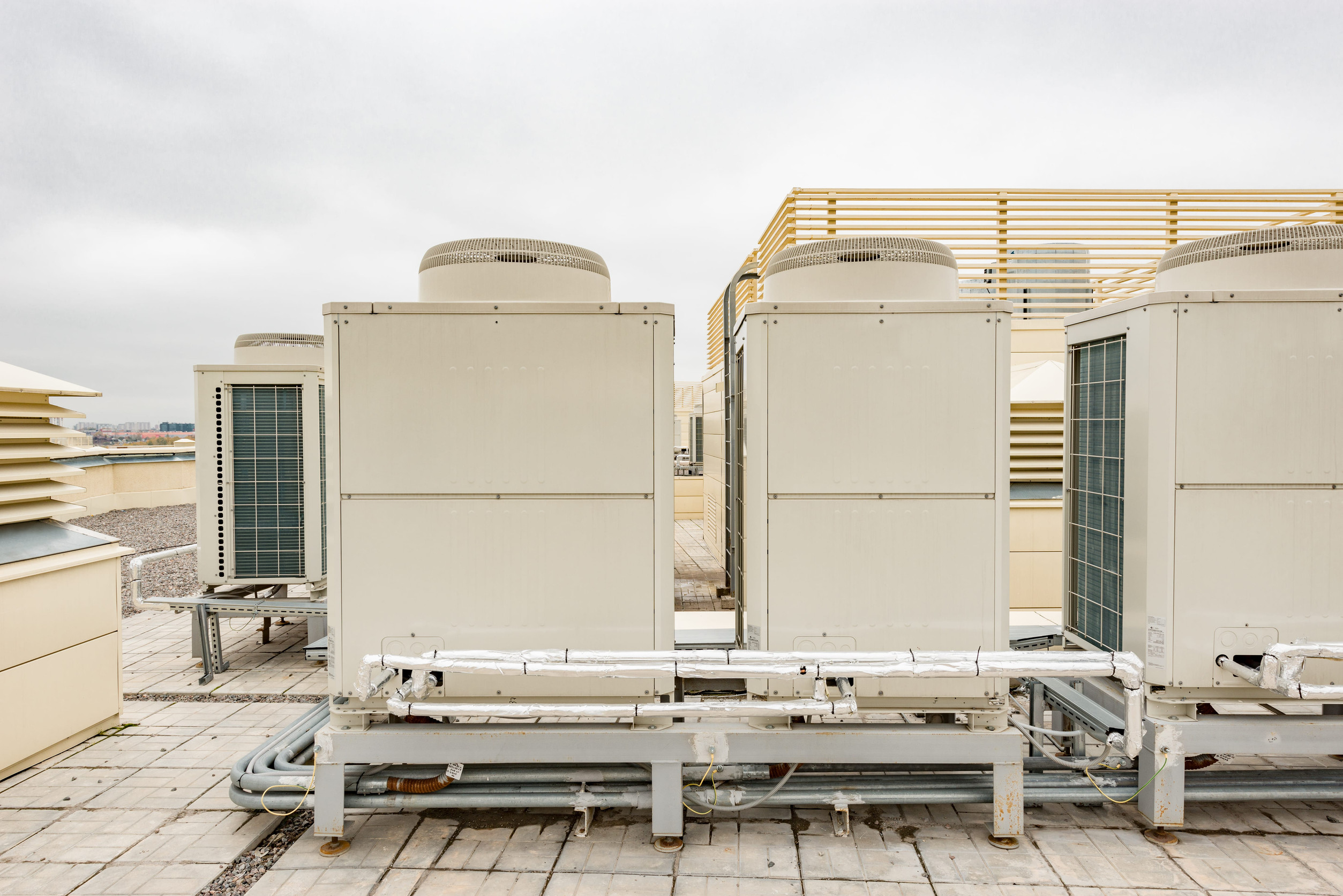
Managing multi-tenant commercial real estate—whether a professional office park off Kingston Pike, a mixed-use retail development in Downtown Knoxville, or a medical office building near Fort Sanders—presents a complex set of operational challenges. Unlike single-tenant properties where climate settings and operating schedules remain uniform, multi-tenant properties house diverse businesses with vastly different cooling loads, operational hours, and temperature preferences.
In East Tennessee, where hot, humid summers transition into sharp winter cold snaps, a multi-tenant heating, ventilation, and air conditioning (HVAC) system operates under intense pressure year-round. An equipment breakdown during a 95°F July heatwave doesn't just discomfort one business—it affects multiple commercial tenants, leading to lost productivity, lease disputes, rent abatement requests, and damaged landlord-tenant relationships.
To maintain building efficiency, protect physical assets, and ensure long-term tenant retention, property managers in Knoxville must implement a proactive maintenance strategy tailored specifically to multi-tenant operations.
1. Navigating Knoxville's Unique Climate and Humidity Challenges
Knoxville sits in ASHRAE Climate Zone 4A, characterized by a humid subtropical climate. During the peak summer months, East Tennessee experiences high relative humidity alongside elevated outdoor temperatures. This atmospheric moisture creates a high "latent cooling load," meaning air handling equipment must work twice as hard: first to wring gallons of water vapor out of the air, and second to lower the sensible air temperature.
Moisture and Mold Control
When multi-tenant systems fail to manage indoor relative humidity, moisture accumulates quickly in ceiling plenums, supply ductwork, and tenant spaces. Relative humidity exceeding 60% leads to:
- Microbial Growth: Mold and mildew formation inside tenant ductwork, ceiling tiles, and drywall.
- Indoor Air Quality (IAQ) Complaints: "Musty" odors that trigger employee health complaints or OSHA inspections.
- Structural Deterioration: Condensation dripping from uninsulated chilled water pipes or overflowing condensate pans onto tenant property.
Routine maintenance protocols must prioritize clearing condensate drain lines, applying biocide treatments to drain pans, and chemically washing evaporator coils to maintain moisture-removal efficiency. Reviewing how humidity affects your hvac system in east tennessee outlines specific environmental factors that impact regional mechanical infrastructure.
2. Decoupling Base Building Infrastructure from Tenant Zones
Multi-tenant buildings utilize a variety of HVAC architectural designs, ranging from centralized chilled water and boiler loops to individual packaged rooftop units (RTUs) or Variable Refrigerant Flow (VRF) systems. A fundamental best practice for property directors is establishing a clear operational division between central infrastructure and tenant-controlled zones.
Establishing Clear Lease Responsibility Boundaries
Lease agreements must explicitly state who is financially and operationally responsible for specific mechanical components. In standard Triple Net (NNN) leases, base building equipment (central boilers, cooling towers, main supply fans) is managed by the landlord via Common Area Maintenance (CAM) fees, while tenant-specific units (or VAV terminal boxes serving dedicated suites) may require tenant-funded servicing.
Regardless of lease structure, successful property managers establish standardized maintenance guidelines across the entire building to prevent a tenant's neglected unit from degrading the overall system.
3. Implementing a Rigorous Preventive Maintenance Schedule
Waiting for a tenant to submit a maintenance ticket when a suite reaches 80°F is a reactive approach that increases repair costs and shortens equipment life. Multi-tenant properties require a structured, calendar-based Preventive Maintenance (PM) program.
- Monthly Maintenance Tasks
- Inspect and replace high-capacity MERV-rated air filters in high-traffic common areas and tenant suites.
- Check primary and auxiliary condensate drain pans for standing water and blockages.
- Inspect supply fan belts for tension, wear, and pulley alignment on central air handlers.
- Quarterly Maintenance Tasks
- Check voltage and amperage draws on all fan motors, pumps, and compressors against nameplate data.
- Inspect, clean, and lubricate pillow block bearings and motor shafts.
- Calibrate VAV box dampers, temperature sensors, and wall thermostats across all tenant suites.
- Test economizer damper linkages and outdoor air enthalpy sensors to ensure proper free-cooling operation.
- Semi-Annual (Spring / Fall) Maintenance Tasks
- Spring: Chemically wash outdoor condenser coils to remove pollen, dust, and debris before summer cooling loads peak.
- Fall: Inspect gas heat exchangers for hairline cracks, verify ignition assemblies, clean gas burners, and perform combustion safety tests.
- Refrigerant Checks: Perform electronic leak detection along copper lines and record subcooling/superheat values.
Proactive inspections identify worn contactors, weak capacitors, or leaking refrigerant lines before they cause a total system shutdown. Reviewing how office buildings in knoxville can cut hvac downtime provides additional strategies for keeping multi-tenant facilities running reliably.
4. Submetering, Building Automation, and Energy Allocation
Energy consumption accounts for one of the largest operational expenses in a commercial building. In multi-tenant properties, billing disputes often arise when energy costs are divided solely by square footage—especially when a tech tenant running server rooms 24/7 shares a utility bill with a standard law firm operating strictly 8:00 AM to 5:00 PM.
The Strategic Value of Building Automation Systems (BAS)
Installing a modern, web-enabled Building Automation System (BAS) allows facility directors to:
- Implement After-Hours Overtime Billing: Automatically track when a specific tenant overrides thermostat settings on weekends or evenings, billing the utility expense directly to that tenant.
- Enforce Setpoint Boundaries: Lock thermostat parameters within reasonable ranges (e.g., cooling minimum of 70°F, heating maximum of 72°F) to prevent tenants from setting units to 55°F, which freezes evaporator coils.
- Automate Night Setbacks: Reduce cooling and heating output during non-business hours across unoccupied zones while maintaining baseline humidity control.
Upgrading to smart automation and high-efficiency mechanical infrastructure requires capital planning. Understanding the average cost of hvac replacement in knoxville tn helps property owners evaluate payback periods when planning multi-tenant equipment upgrades.
5. Ensuring Local Code and Life-Safety Compliance
Multi-tenant commercial properties in Knoxville must comply with strict municipal building codes, state licensing rules, and federal environmental mandates. Non-compliance can lead to failed municipal inspections, fines, or delayed occupancy permits during tenant fit-outs.
- International Mechanical Code (IMC) & Condensate Rules: Condensate disposal must comply with IMC Section 307. Secondary drain pans equipped with automatic shut-off float switches are mandatory for any unit suspended above tenant drop-ceilings to prevent water damage to spaces below.
- NFPA 90A & Smoke Control: Multi-tenant ductwork passing through fire-rated tenant separation walls must feature certified fire and smoke dampers. Duct smoke detectors installed in supply and return systems over 2,000 CFM must automatically shut down fans during a fire event to prevent smoke spread across tenant zones.
- EPA Section 608 Refrigerant Compliance: Central systems containing 50 pounds or more of refrigerant are subject to mandatory EPA leak-rate repair thresholds (10% annual leak rate limit for comfort cooling). Facility managers must maintain complete refrigerant recovery and service logs for a minimum of 3 years.
Staying compliant requires working with credentialed commercial mechanical experts. Reviewing hvac compliance requirements for knoxville commercial properties outlines local municipal codes, code-mandated inspection schedules, and licensing regulations in detail.
6. Managing Capital Replacement in Multi-Tenant Environments
Even with rigorous preventive maintenance, commercial mechanical equipment eventually reaches the end of its operational lifespan (typically 15 to 20 years for RTUs and air handlers, 20 to 25 years for central chillers). In a multi-tenant setting, replacing major equipment requires careful logistical planning to avoid disrupting business operations.
- Conduct Annual Asset Condition Audits: Track equipment age, repair history, refrigerant type (e.g., managing the phase-down of R-410A), and energy performance across all units.
- Schedule Upgrades During Off-Peak Seasons: Plan major replacements, crane lifts, and main duct cut-ins during spring or autumn shoulder seasons. Reviewing advice on the best time of year to replace your hvac system in east tennessee helps property teams execute replacements during mild weather windows.
- Establish Service Level Agreements (SLAs) for Emergency Repairs: Partner with a commercial service contractor that guarantees emergency response times (typically 2 to 4 hours) for multi-tenant failures. Understanding what a commercial hvac service agreement typically includes ensures your maintenance contract includes guaranteed response windows, discounted labor rates, and comprehensive preventive care.
Protecting Property Value and Tenant Satisfaction
In Knoxville’s competitive commercial real estate market, a well-maintained HVAC system is a key driver of tenant satisfaction, operational efficiency, and overall asset value. By establishing clear maintenance boundaries, automating energy management, adhering to local building codes, and partnering with experienced commercial mechanical contractors, property managers can keep their multi-tenant buildings comfortable, compliant, and profitable for years to come.


